
ADHD Stimulants: Cardiovascular Risks and Sleep Side Effects Explained
 Aug, 1 2026
You’ve been prescribed medication for Attention Deficit Hyperactivity Disorder is a neurodevelopmental condition characterized by inattention, hyperactivity, and impulsivity that interferes with daily functioning. Commonly known as ADHD, it affects millions of people worldwide., and while the focus on better concentration feels like a win, you might be worried about the fine print. Specifically, what happens to your heart and your sleep? It’s a valid concern. Stimulant medications are powerful tools, but they aren’t without physical costs. Understanding these trade-offs helps you manage them effectively rather than just worrying about them.
The core issue here isn't whether these drugs work-they do, for most people. The American Psychiatric Association reports that 70-80% of children with ADHD show significant improvement in symptoms when taking stimulant medications. The real question is how your body handles the boost in dopamine and norepinephrine. This article breaks down the specific cardiovascular changes and sleep disruptions linked to these treatments, based on the latest clinical data from 2024 and 2025.
How Stimulants Affect Your Heart Rate and Blood Pressure
When you take a stimulant, you’re essentially asking your central nervous system to rev up. This activation doesn't stay confined to your brain; it ripples through your body, particularly affecting your cardiovascular system. The two main classes of ADHD stimulants are methylphenidate (found in brands like Ritalin and Concerta) and amphetamine-based formulations (like Adderall and Vyvanse). Both increase the availability of neurotransmitters, but they also trigger a physiological stress response similar to mild exercise or anxiety.
You will likely notice a change in your vital signs. Research published in The Lancet Psychiatry by the University of Southampton in 2025 analyzed randomized controlled trials and found that stimulants cause an average increase of 1-4 mmHg in systolic blood pressure. More noticeably, heart rate tends to rise by 1-2 beats per minute after weeks or months of use. While these numbers sound small, they represent a consistent shift in your baseline physiology. For some, this feels like a harmless buzz; for others, it manifests as palpitations or a racing heart.
The mechanism behind this is straightforward. These medications increase catecholamines, which can lead to vasospasm (tightening of blood vessels) and increased cardiac output. A study in JAMA Psychiatry (2024) followed patients over 14 years and found that long-term use was associated with a 17% increased risk of cardiovascular diseases, particularly hypertension and arterial disease. Importantly, this risk increases in a dose-response manner during the first three years of cumulative use. This means the higher the dose and the longer you take it, the more pronounced the effect becomes.
Sleep Disruption: The Hidden Cost of Focus
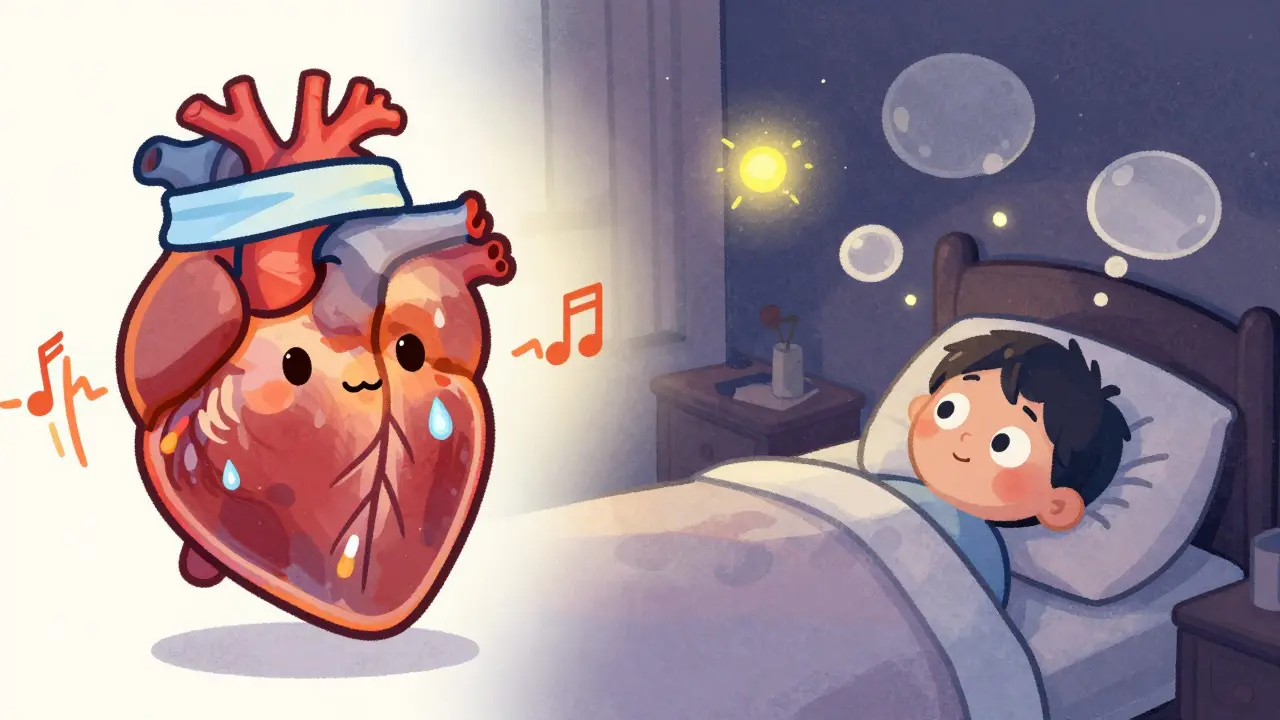
If your heart rate goes up, your ability to wind down often goes down. Sleep disturbances are one of the most common complaints among people starting ADHD medication. Clinical experience indicates that approximately 30-50% of patients experience insomnia when initiating stimulant therapy. You might find yourself lying awake at night, mind racing, unable to transition into sleep despite being physically tired.
The reason is timing. Extended-release formulations, designed to last all day, can still have active ingredients circulating in your system 10-12 hours after your morning dose. The American Academy of Sleep Medicine reports that sleep latency-the time it takes to fall asleep-increases by an average of 15-30 minutes in stimulant users compared to those on a placebo. While this effect often diminishes as your body adjusts, it doesn’t always disappear completely.
This isn't just about feeling groggy the next day. Chronic sleep deprivation worsens ADHD symptoms, creating a vicious cycle where you need more medication to cope with fatigue-induced inattention, which then further disrupts your sleep. Managing this requires strategic adjustments, such as taking medication earlier in the day or using short-acting formulations only for evening tasks, though the latter carries its own risks of late-night stimulation.
Long-Term Cardiovascular Risks: What the Data Says
Short-term spikes in blood pressure are manageable, but what about long-term damage? This is where the conversation gets nuanced. In 2006, the FDA issued a warning based on 25 reported cases of sudden death in children and adults taking stimulant medications. This prompted intense scrutiny and led the American Heart Association to initially suggest pre-treatment electrocardiograms (ECGs). However, subsequent evidence has shifted the consensus.
A 2024 study by the American College of Cardiology revealed specific risks for young adults. Those prescribed stimulants were 17% more likely to develop cardiomyopathy (weakening of the heart muscle) at one year and 57% more likely at eight years compared to non-users. Despite these percentages sounding alarming, lead author Pauline Gerard emphasized that the absolute risk remains very low. To put it in perspective, the number needed to harm for serious cardiovascular events is estimated at over 1,000 patients. This means thousands of people take these meds safely before one experiences a severe event.
However, individual susceptibility varies. For patients with Long QT Syndrome (LQTS), a heart rhythm disorder, the stakes are higher. Some studies suggest an increased probability of cardiac events like fainting, while others found no triggered events during treatment. Currently, CredibleMeds.org lists many ADHD medications in the 'conditional risk' category for LQTS patients, requiring cardiology evaluation but not constituting an absolute contraindication. If you have a family history of sudden cardiac death or known structural heart defects, this discussion with your doctor is non-negotiable.
| Medication Class | Blood Pressure Effect | Heart Rate Effect | Sleep Impact |
|---|---|---|---|
| Methylphenidate (e.g., Ritalin) | Increase (1-4 mmHg avg) | Increase (1-2 bpm avg) | High (Insomnia common) |
| Amphetamines (e.g., Adderall) | Increase (1-4 mmHg avg) | Increase (1-2 bpm avg) | High (Insomnia common) |
| Atomoxetine (Strattera) | Mild Increase | Mild Increase | Low (May cause initial fatigue) |
| Guanfacine (Intuniv) | Decrease | Decrease | Low (Can improve sleep quality) |
Monitoring and Mitigation Strategies
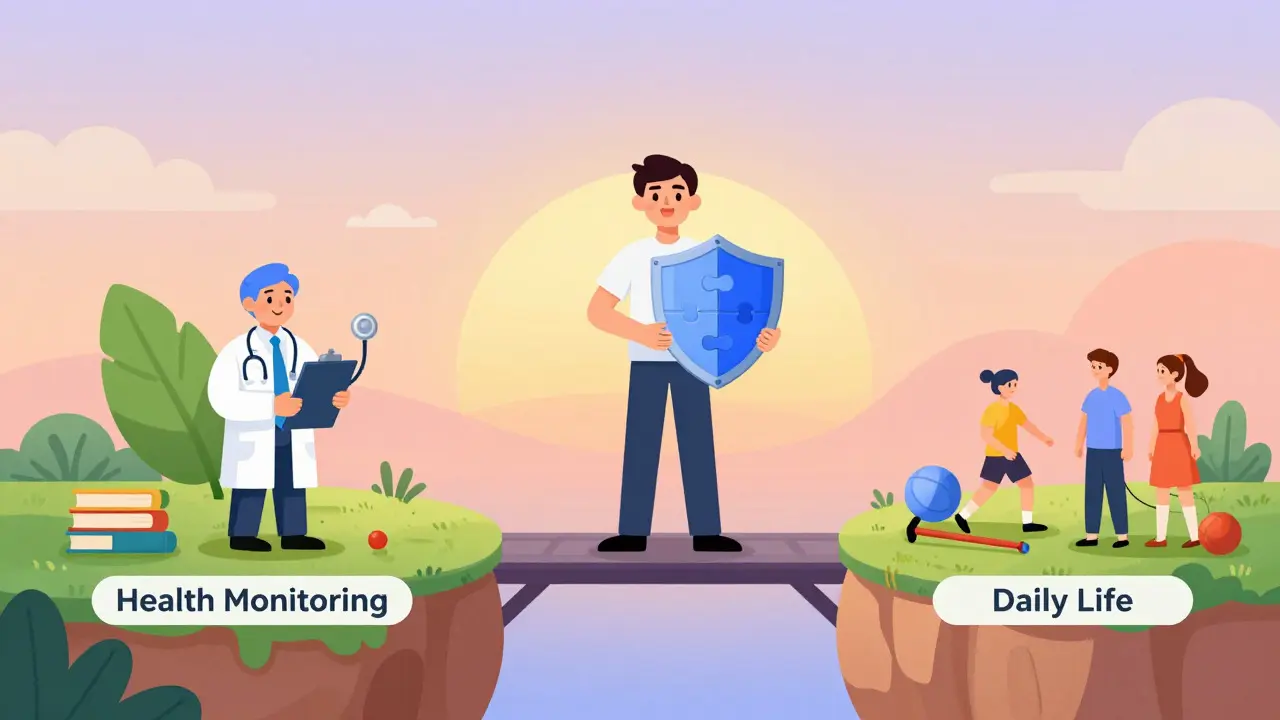
You don’t have to accept these side effects as inevitable. Current guidelines from the American Academy of Pediatrics recommend obtaining baseline blood pressure and heart rate measurements before starting treatment. After that, monitoring should happen every 3-6 months. This isn't just bureaucratic box-checking; it’s a safety net to catch adverse trends early.
Dose titration is your best friend here. Starting with low doses (e.g., 5mg methylphenidate) and increasing gradually by 5-10mg weekly allows your body to adapt and lets you assess your individual cardiovascular response. If your heart rate spikes too high, your doctor can adjust the dosage or switch formulations. Sometimes, simply changing the time of day you take your medication can resolve sleep issues without dropping the drug entirely.
For persistent sleep problems, adding melatonin (0.5-5mg) 1-2 hours before bedtime is a common and effective strategy. It helps reset your circadian rhythm without interacting negatively with most ADHD medications. If cardiovascular risks remain too high despite adjustments, non-stimulant alternatives like atomoxetine or alpha-2 agonists like guanfacine offer viable paths. Guanfacine, in particular, stands out because it actually decreases both blood pressure and heart rate, making it a unique option for those with concurrent hypertension.
Weighing Benefits Against Risks
Ultimately, the decision to stay on stimulants comes down to a risk-benefit analysis. Dr. James Ware of Harvard Medical School noted in JAMA (2024) that the absolute cardiovascular risk from ADHD medications remains very low compared to the substantial functional impairment untreated ADHD causes. Untreated ADHD carries its own health risks, including higher rates of accidents, substance abuse, and mental health disorders.
The CHADD organization summarizes the current consensus well: although stimulant medications have had a concerning cardiovascular reputation, current evidence highlights their safety at current doses in pediatrics and adulthood. Parents and caregivers must weigh the benefits of improved well-being against minimal cardiovascular risk. For most, the ability to function, learn, and maintain relationships outweighs the manageable side effects of slightly elevated blood pressure or occasional insomnia.
Do ADHD stimulants permanently damage the heart?
Current evidence suggests that while stimulants can increase the risk of conditions like cardiomyopathy over many years, permanent damage is rare and usually reversible upon discontinuation. The absolute risk is low, especially with regular monitoring. Most cardiovascular effects, such as increased heart rate and blood pressure, normalize after stopping the medication.
Which ADHD medication is safest for sleep?
Non-stimulant medications like atomoxetine and guanfacine generally have fewer sleep disturbances. Guanfacine, in particular, may improve sleep quality due to its calming effects on the nervous system. Among stimulants, shorter-acting formulations taken earlier in the day tend to cause less insomnia than extended-release versions.
Should I get an ECG before starting ADHD medication?
Routine ECG screening is no longer recommended for all patients by the American Academy of Neurology (2024). However, if you have a personal or family history of heart disease, sudden cardiac death, or known arrhythmias, a cardiology consultation and possibly an ECG are advised to rule out underlying conditions.
Can ADHD medication cause high blood pressure?
Yes, stimulants can cause a modest increase in blood pressure, typically 1-4 mmHg systolic. For most people, this is clinically insignificant. However, individuals with pre-existing hypertension may see more pronounced effects and might require additional antihypertensive medication or a switch to non-stimulant alternatives.
How long does it take for sleep side effects to go away?
Sleep disturbances often peak during the first few weeks of treatment. For many patients, insomnia resolves within several weeks as the body adjusts to the medication. If sleep issues persist beyond a month, adjusting the dosage, timing, or switching medications is usually necessary.