
Antacids and Antibiotics: How to Time Your Doses for Maximum Effect
 Apr, 4 2026
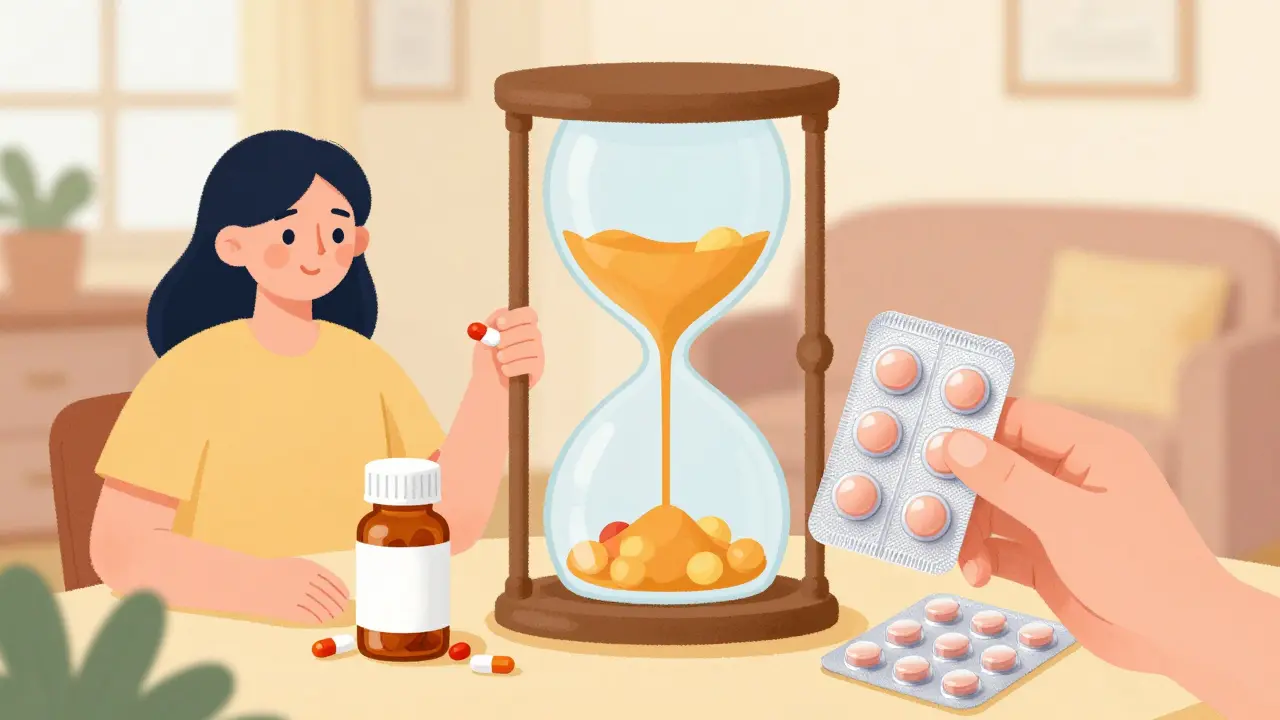
You’ve been prescribed a course of antibiotics to clear up an infection, but you're also dealing with annoying heartburn. You reach for a quick-fix antacid, pop it, and then take your pill. It seems harmless, right? In reality, that simple habit could be the reason your infection isn't clearing up. For some drugs, taking an antacid at the wrong time can slash the amount of medicine your body actually absorbs by as much as 80%.
The problem isn't that the drugs are "fighting" each other in a traditional sense. Instead, it's about chemistry and timing. When you mix certain antacid antibiotic interaction patterns, you aren't just slowing down the cure-you might be rendering the medication almost useless. This leads to a frustrating cycle where you think the antibiotic isn't working, when in fact, it never even made it into your bloodstream.
Quick Summary: The Golden Rules of Timing
- High-Risk Pairs: Fluoroquinolones and Tetracyclines are the most sensitive to antacids.
- The Gap: Generally, wait 2 to 4 hours between an antacid and your antibiotic.
- The Danger: Taking them together can cause "chelation," where the antacid binds to the drug and blocks absorption.
- Better Alternatives: H2 blockers or PPIs often have fewer interactions than standard calcium or magnesium antacids.
Why Your Antacid Blocks Your Antibiotic
To understand why timing matters, we have to look at what's happening in your stomach. There are two main culprits: chelation and pH changes.
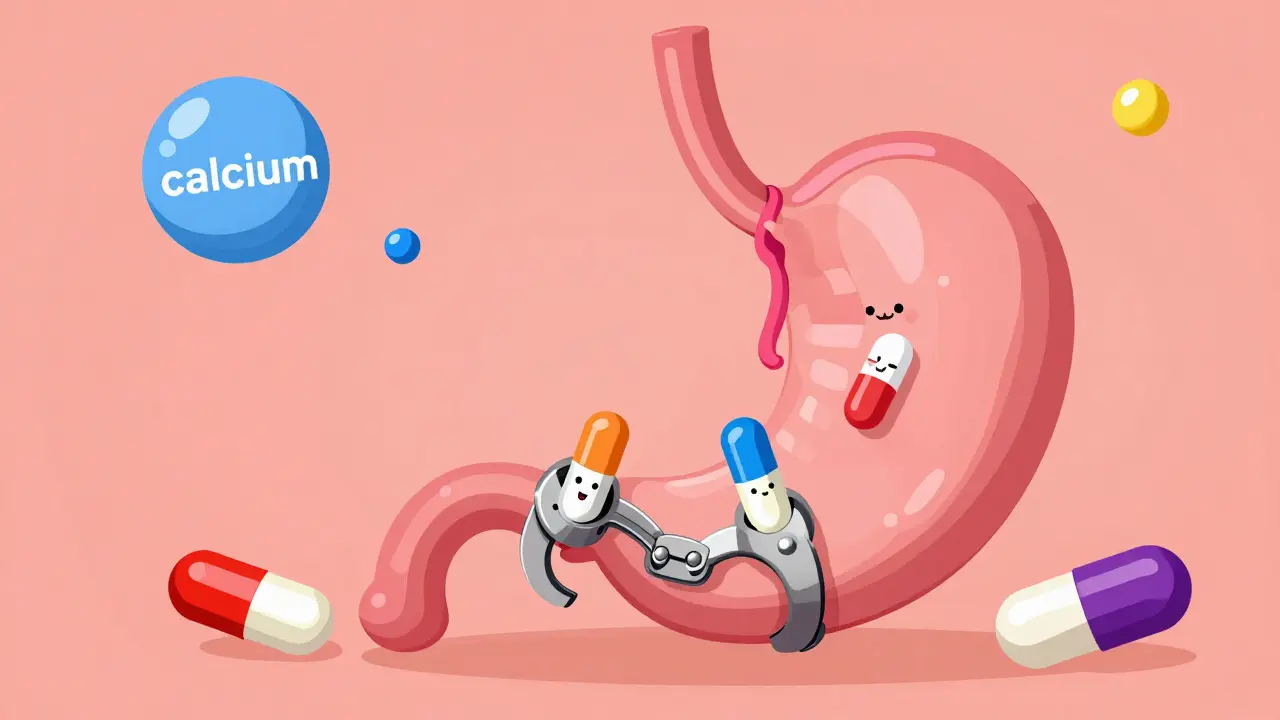
First, there is Chelation is a chemical process where a metal ion-like the calcium, magnesium, or aluminum found in antacids-binds to a drug molecule to form a large, insoluble complex . Think of it like a chemical "handcuff." The antibiotic becomes trapped by the antacid, creating a clump that is too large to pass through your intestinal wall. Instead of entering your blood to fight the bacteria, the medicine simply passes through your system and ends up in the toilet.
Second, antacids change the Gastric pH, which is the measure of acidity in the stomach . Some antibiotics need a specific acidic environment to dissolve properly. When an antacid neutralizes that acid, the drug may not break down correctly, further reducing how much of the dose your body can use.
Which Antibiotics are Most at Risk?
Not all antibiotics react the same way. Depending on the class of drug you're taking, the interaction can range from "minor nuance" to "complete treatment failure."
The High-Risk Group: Fluoroquinolones and Tetracyclines
If you are taking Fluoroquinolones (such as Ciprofloxacin or Levofloxacin), you are in the highest risk category. Research shows that these drugs can see a 75% to 90% drop in absorption when taken with aluminum or magnesium antacids. This is why a patient with a urinary tract infection might find their symptoms returning if they're popping Tums throughout the day.
Similarly, Tetracyclines (like Doxycycline) are prone to chelation. These are often used for acne or respiratory infections, and an improper timing window can reduce their effectiveness by 50% to 70%.
The Lower-Risk Group: Penicillins and Macrolides
Drugs like Amoxicillin (a beta-lactam) are much heartier. While they still show some reduced absorption (roughly 15-25%), it rarely leads to total treatment failure unless the patient is severely immunocompromised. Macrolides, such as Azithromycin, generally have minimal interactions, though a small gap is still recommended just to be safe.
| Antibiotic Class | Examples | Absorption Drop | Recommended Gap |
|---|---|---|---|
| Fluoroquinolones | Ciprofloxacin, Levofloxacin | 75% - 90% | 4 hours after / 2 hours before |
| Tetracyclines | Doxycycline, Tetracycline | 50% - 70% | 2 - 3 hours |
| Beta-lactams | Amoxicillin, Cephalexin | 15% - 25% | 1 - 2 hours |
| Macrolides | Azithromycin, Clarithromycin | Minimal | 2 hours |
How to Schedule Your Doses
The goal is to keep the antacid and the antibiotic in separate "zones" of your digestive tract. The most reliable strategy is the "2-hour before or 4-hour after" rule.
If you need to take an antacid for heartburn, try to do it at least 4 hours after your last antibiotic dose. If you must take the antacid first, wait at least 2 hours before taking your antibiotic. Why the difference? Because antacids leave the stomach relatively quickly, but the changes in pH and the presence of metal ions can linger, affecting the antibiotic for a longer window.
For those struggling to remember complex schedules, medication reminder apps can be a lifesaver. Using a visual "timing window"-essentially a chart showing when your stomach is "clear" for medication-has been shown to reduce timing errors by nearly 40%.
Smarter Alternatives for Acid Relief
If you have chronic acid reflux and can't possibly wait 4 hours between doses, you might want to talk to your doctor about switching the type of acid-reducer you use. Not all "stomach meds" work the same way.
Standard antacids (the chewables or liquids) use polyvalent cations like calcium and magnesium. These are the ones that cause chelation. However, H2 Blockers (like Famotidine) and Proton Pump Inhibitors (like Omeprazole) work differently. They reduce the production of acid rather than neutralizing it with minerals. Because they don't use those metal ions, they have far fewer interactions with antibiotics. Switching to these can drop treatment failure rates from 27% down to about 9%.

The Bigger Picture: Antibiotic Resistance
This isn't just about one person getting better or staying sick. When you take an antibiotic that is only 20% absorbed, the bacteria in your body are exposed to a "subtherapeutic" dose. This means the dose is high enough to annoy the bacteria but not high enough to kill them.
This is a recipe for disaster. The bacteria can adapt to the low level of medication, evolving into "superbugs" that are resistant to the drug. Some estimates suggest that up to 15% of emerging fluoroquinolone resistance is actually caused by people accidentally neutralizing their meds with antacids. By timing your doses correctly, you aren't just helping yourself; you're helping prevent the rise of drug-resistant infections.
Can I take my antibiotic with food instead of an antacid?
It depends on the drug. Some antibiotics require food to prevent stomach upset, while others must be taken on an empty stomach. However, avoid dairy products (milk, cheese, yogurt) if you are taking tetracyclines or fluoroquinolones, as the calcium in dairy can cause the same chelation problem as antacids.
What should I do if I accidentally took them together?
Don't panic, but don't ignore it. One missed window usually isn't a disaster, but if it happens repeatedly, your treatment may fail. Contact your pharmacist to see if you should take an extra dose (never do this without professional advice) or simply adjust the timing for the rest of the course.
Do all antacids cause this interaction?
Mostly yes, if they contain aluminum, magnesium, or calcium. These are the most common ingredients in over-the-counter tablets and liquids. H2 blockers and PPIs are the primary exceptions that are generally safer to use alongside antibiotics.
Why does my pharmacist tell me to avoid milk with some antibiotics?
Milk is rich in calcium. Just like a calcium-based antacid (like Tums), the calcium in milk binds to antibiotics like ciprofloxacin or doxycycline, creating that insoluble complex that your body cannot absorb.
Does the timing matter for all antibiotics?
No. For example, metronidazole generally doesn't interact with antacids. However, unless your doctor specifically tells you it's fine, it's safest to assume a gap is needed, especially with fluoroquinolones and tetracyclines.
Next Steps for Your Recovery
If you're currently on a medication schedule, take a moment to check your labels. If you see "Fluoroquinolone" or "Tetracycline," double-check your acid-relief habits. If you find yourself needing antacids every few hours, call your doctor and ask if a PPI or H2 blocker is a better fit for your current treatment plan. Proper timing is the simplest way to ensure your medication actually does its job.
Goodwin Colangelo
April 6, 2026 AT 03:47This is actually super important stuff. A lot of people just assume a pill is a pill, but the chemistry of how these things interact in your gut is wild. If you're on Cipro, definitely stick to that 4-hour window or you're basically just flushing your medicine away. Just a heads up, always check with your pharmacist if you're unsure about a specific brand of antacid because some have weird additives.
Beth LeCours
April 6, 2026 AT 07:05Too long.
Divine Manna
April 7, 2026 AT 17:13It is truly fascinating how the average individual navigates their health with such profound ignorance. We treat our bodies like disposal bins for chemicals without once contemplating the molecular dance of chelation. One must realize that health is not merely the absence of disease, but the presence of a disciplined mind capable of reading a label. The tragedy here isn't the interaction itself, but the systemic failure of patient education that allows such avoidable mishaps to occur in a modern society.
Brian Shiroma
April 9, 2026 AT 07:51Oh great, so now I have to schedule my heartburn around my infection. My life is just one giant pharmaceutical calendar at this point.
Jenna Carpenter
April 9, 2026 AT 16:41I actualy tried taking my meds with a glass of milk once and felt sick as a dog for hours. Now i see why it was a bad idea. Thaks for the info!
Aysha Hind
April 10, 2026 AT 14:25Of course they want us taking these specific 'approved' PPIs instead of simple antacids. Follow the money, people! It's just another way to get us hooked on long-term stomach meds while the big pharma conglomerates laugh all the way to the bank. They create the 'problem' with the antibiotic, then sell you the 'solution' with a more expensive acid blocker. It's a twisted cycle of chemical dependency designed to keep us in a state of perpetual fragility and profit.
Branden Prunica
April 11, 2026 AT 23:47I AM LITERALLY SCREAMING RIGHT NOW! I took a bunch of Tums with my Doxycycline like three days ago! My skin is breaking out and I'm probably just feeding the bacteria a buffet of calcium! The absolute HORROR of this realization is keeping me awake! I can't believe I just threw away half my treatment because I wanted a little relief for my reflux! This is a total nightmare!
Joey Petelle
April 12, 2026 AT 06:14Imagine being so genetically inferior that you can't even manage a simple medication schedule without a guide. God bless America, where we have the freedom to be absolutely clueless about basic biology while thinking we're the peak of civilization. It's truly an art form, the way some of you struggle with a 2-hour gap. Truly a masterpiece of intellectual bankruptcy.
Ace Kalagui
April 13, 2026 AT 04:17I really think it's wonderful that we have access to this kind of information online because it allows us to support each other in our journey toward wellness and recovery. If you're feeling overwhelmed by the timing, just remember that you're not alone and taking a small step like setting a phone alarm can make a world of difference in how you feel. Let's all try to be a bit more mindful and encourage our friends and family to double-check their meds so we can all get healthy together and move forward with confidence.
angel sharma
April 14, 2026 AT 14:07This is the kind of knowledge that empowers us to take full control of our health and ensure that every single milligram of that medication is fighting those bacteria with maximum intensity! We cannot let a simple antacid stand in the way of a total victory over infection! Stay strong, stay disciplined with your timing, and let's crush these germs with the power of science and perfect scheduling! Keep pushing for that 100% absorption rate!