
Authorized Generics vs First-to-File Generics: Cost Comparison Explained
 Feb, 5 2026
When you fill a prescription, the type of generic drug you get can make a big difference in your out-of-pocket costs. Understanding the drug cost comparison between authorized generics and first-to-file generics can help you save money on prescriptions.
What Are Authorized Generics?
Authorized genericsare brand-name drugs manufactured by the original company or a licensee and sold under a generic label without the brand name. They enter the market when the brand company licenses a generic manufacturer to sell the drug. For example, when a brand like Lipitor's patent expires, the company might produce the generic version themselves and sell it as an authorized generic. This lets them keep some market share while offering lower prices.
What Are First-to-File Generics?
First-to-file genericsare generic drugs made by companies that are the first to submit an Abbreviated New Drug Application (ANDA) to the FDA. Under the Hatch-Waxman Act, these companies get 180 days of market exclusivity. During this time, no other generic can enter, but authorized generics can still compete. For instance, when a company like Teva files first for a drug like Singulair, they become the sole generic for half a year before others join.
How Costs Compare in Different Markets
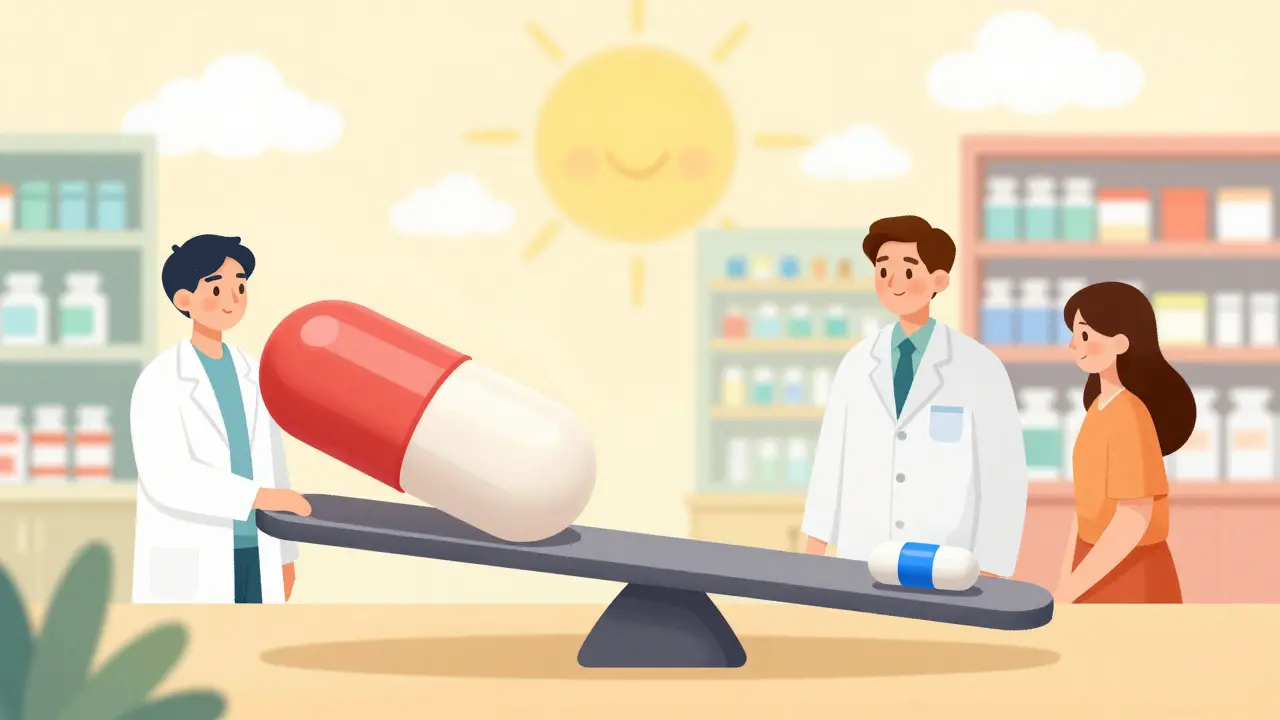
The Federal Trade Commission (FTC) studied 95 drugs and found clear patterns. In markets with only a first-to-file generic (ANDA-only), retail prices average 14% below the brand price. But when an authorized generic joins the mix (ANDA+AG), prices drop further to 18% below brand. For pharmacies, the wholesale cost difference is even starker: 20% below brand with a single generic, but 27% lower with authorized generic competition.
Take the Average Manufacturer Price (AMP) data from the FDA's 2019 analysis. A single generic reduces the AMP by 39% compared to the brand. Adding an authorized generic pushes that to 54% below brand prices. With four competitors, prices fall to 79% below the brand. Once six or more generics enter the market, prices drop over 95%-meaning a $100 brand drug costs just $5 as a generic.
Impact on Pharmacies and Consumers
Pharmacy profits get a boost when generics enter the market. Drug Channels reported in 2011 that gross profit per prescription jumps when the first generic arrives. But when an authorized generic joins during the 180-day exclusivity period, profits climb even higher. This happens because competition drives down acquisition costs more than retail prices, leaving pharmacies with better margins.
For consumers, the added competition from authorized generics means bigger savings. The FTC confirmed that 'consumers benefit and the healthcare system saves money during the 180-day exclusivity period when an AG enters the market.' In practice, this often translates to $10-$20 savings per prescription on common medications like metformin or lisinopril.
Regulatory Views and Long-Term Effects
The FTC's 2013 report found that while authorized generics reduce the first-filer's revenue by 40-52% during the exclusivity period, this hasn't measurably reduced patent challenges by generic companies. 'There's no evidence that authorized generics lead to fewer patent challenges,' the report states.
However, not all authorized generics last. Health Affairs research in 2023 showed that about 20% of authorized generics launched between 2010-2014 had no sales in Medicare data after five years. This suggests some don't sustain long-term market presence.
Recent FDA reforms under GDUFA have sped up generic approvals, reducing time to market by 13 months. This could change the competitive landscape, making authorized generics less critical for driving early price drops.
Frequently Asked Questions
What's the difference between authorized generics and regular generics?
Authorized generics are made by the brand company but sold under a generic label. Regular generics (first-to-file) are made by other companies that file an ANDA. Authorized generics often enter the market earlier and can drive prices down more quickly.
How does the Hatch-Waxman Act affect generic drug pricing?
The Hatch-Waxman Act of 1984 created the 180-day exclusivity for first-to-file generics. This gives them a head start, but authorized generics can still enter during this period, adding competition that lowers prices further. Without this law, generics might take years longer to reach the market.
Do authorized generics cost more than regular generics?
No. The FTC found no evidence that authorized generics have higher prices than other generics. In fact, they often lead to greater discounts-up to 7% more in wholesale prices compared to markets without authorized generics. This means pharmacies pay less to buy them, which usually translates to lower prices for you.
Why don't more companies make authorized generics?
Brand companies sometimes use authorized generics as part of patent litigation settlements, which can delay other generics. However, the FTC's analysis shows this hasn't reduced the overall number of patent challenges by generic companies. It's a strategic move for brands to maintain some revenue while still allowing competition.
How much can I save with generics?
Generic drugs average 70-85% lower than brand-name drugs. With multiple competitors, prices drop even more-up to 95% below brand prices when six or more generics are available. For example, a $200 brand-name drug might cost just $15 as a generic with heavy competition.
Can authorized generics delay other generics from entering the market?
Yes, sometimes. Brand companies may launch authorized generics as part of settlement agreements that delay other generics. But the FTC found this hasn't reduced the overall number of patent challenges by generic companies. It's a complex trade-off where brands protect revenue, but competition still happens eventually.
What role does the FTC play in monitoring generics?
The FTC actively monitors the generics market for anti-competitive practices. Their reports show authorized generics generally benefit consumers by lowering prices, but they continue to investigate potential issues like pay-for-delay agreements. In 2022, Commissioner Alvaro Bedoya emphasized the FTC's vigilance on this issue.
Brendan Ferguson
February 6, 2026 AT 23:29Let me break this down clearly. Authorized generics are made by the original brand company but sold under a generic label. First-to-file generics are made by other companies that file first. The FTC study shows that when both are present, prices drop more. For example, with a single generic, prices are 14% below brand, but with authorized generic added, it's 18% lower. For pharmacies, wholesale costs drop to 27% below brand when authorized generics are in the mix. This means pharmacies can pass on savings to consumers. In practice, common meds like metformin or lisinopril can save $10-$20 per prescription. The key is competition-more generics mean lower prices. When six or more generics are available, prices drop over 95%, so a $100 brand drug becomes $5. The Hatch-Waxman Act's 180-day exclusivity for first-to-file is important, but authorized generics can still enter during that time, which drives prices down further. However, some authorized generics don't last; about 20% of those launched between 2010-2014 had no sales in Medicare after five years. Recent FDA reforms under GDUFA have sped up approvals, which might reduce the need for authorized generics. Overall, more competition is good for consumers, but it's complex. Always check with your pharmacist about which generic you're getting.
Jenna Elliott
February 8, 2026 AT 00:37Authorized generics are just the brand in disguise. Period.
Kieran Griffiths
February 8, 2026 AT 17:27I've noticed that when authorized generics are available, my copay is way lower. For example, my blood pressure med went from $30 to $5 a month. It's a huge difference. Always check the label before filling prescriptions.
Joyce cuypers
February 9, 2026 AT 09:10Thanks for the detailed breakdown! I always check the generic type now. Typo: 'copay' should be 'copay'... wait no, it's correct. Anyway, it's good to know how the system works. This info is supper helpful for saving money on meds.
Lisa Scott
February 10, 2026 AT 00:36Authorized generics are just a scam. Big Pharma controls everything. They push these 'generic' labels while keeping prices high. Its all a lie. The FDA is corrupt. No one trusts them anymore. They're all in on it. Just look at the data. Its obvious.
Elliot Alejo
February 10, 2026 AT 23:08I agree. My experience matches this. When I switched to authorized generics for my cholesterol med, my copay dropped from $40 to $10. It's a real difference. Always check the label. The system works better with more competition.
jan civil
February 12, 2026 AT 13:51Thanks for the typo note. 'copay' is correct. Keyboard slip? The info is valuable. Thanks.
Johanna Pan
February 13, 2026 AT 14:31I appreciate your concern but lets stay positive. Authorized generics do help lower costs for many people. While there are issues with Big Pharma, the system does work better with competition. Lets focus on solutions rather than conspiracy theories. Maybe check the FTC report again. Its clear they're trying to help consumers.
Tehya Wilson
February 14, 2026 AT 19:58Authorized generics are not always cheaper. The data shows mixed results. Big Pharma still controls the market. It's all a sham. The system is broken. No trust in the FDA. It's time to revolt.
Carol Woulfe
February 15, 2026 AT 06:11Your 'keyboard slip' comment is naive. The entire system is rigged. The FTC report is a fraud. Big Pharma owns the FDA. Authorized generics are just a tactic to keep prices high. I've done the research. It's all about profit. Wake up!
Danielle Vila
February 16, 2026 AT 14:41You're too optimistic. This is all a scam. Big Pharma is manipulating the market with authorized generics. The FDA is in on it. They want you to think it's helping, but it's not. I've seen it with my own eyes. The data proves it. They're lying to us.