
Bioequivalence and Patient Safety: Why Testing Ensures Safe Generic Medications
 Feb, 14 2026
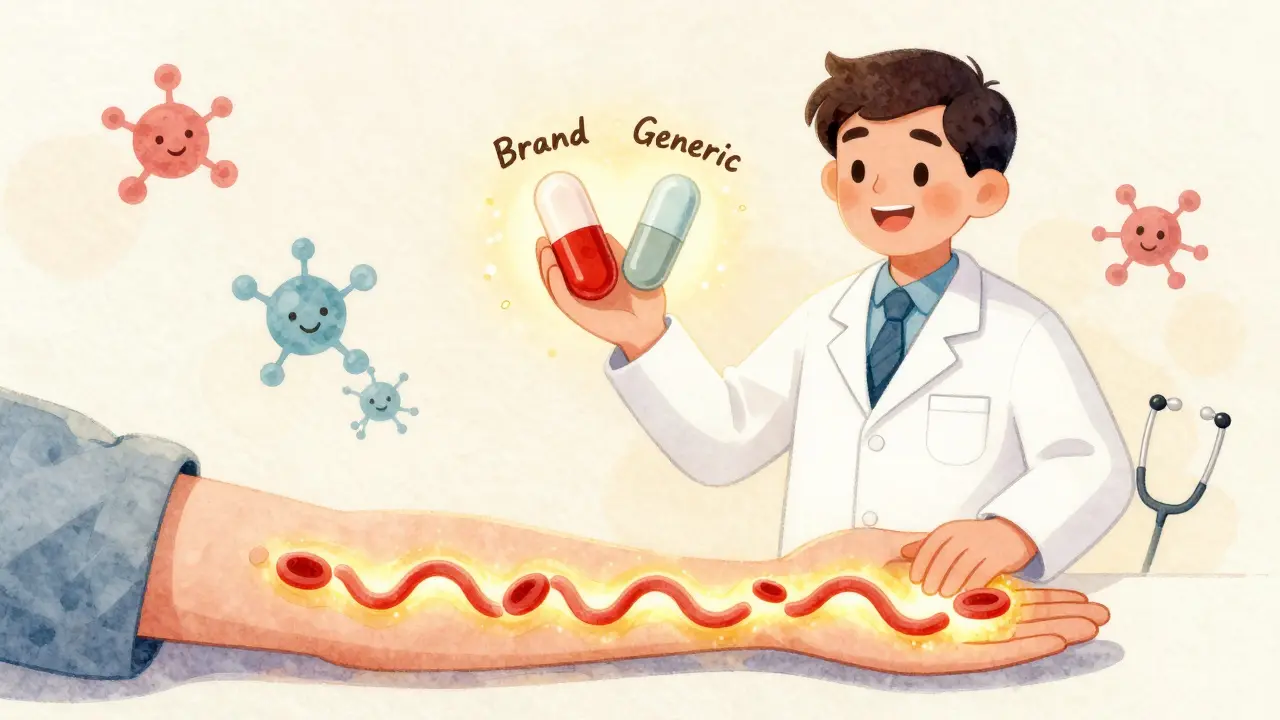
When you pick up a prescription, you might not think about whether the pill in your hand is the same as the brand-name version. But behind every generic drug is a rigorous scientific process called bioequivalence testing - and it’s the reason you can trust that your cheaper medication works just as well and is just as safe.
What Bioequivalence Really Means
Bioequivalence isn’t just a fancy term. It’s a precise scientific standard that says a generic drug must deliver the same amount of active ingredient into your bloodstream at the same speed as the brand-name version. This isn’t about looks, taste, or packaging. It’s about what happens inside your body: how fast the drug gets absorbed, how high the concentration goes, and how long it stays there. The standard? The 90% confidence interval for the key measurements - AUC (total exposure) and Cmax (peak concentration) - must fall between 80% and 125% of the brand-name drug. That means if the brand delivers 100 units of the drug into your blood, the generic must deliver between 80 and 125 units. It’s not a guess. It’s measured with blood samples taken over hours after a single dose, usually in healthy volunteers. This standard was set in the U.S. by the Hatch-Waxman Act of 1984. Before that, generics were approved based on vague claims. Now, every generic must prove it performs the same way. The same rules apply in the EU, Canada, Australia, and over 130 other countries today.Why This Matters for Your Health
You might wonder: “If the ingredients are the same, why test at all?” The answer is simple: not all pills are created equal. The active ingredient might be identical, but what’s around it - the fillers, coatings, binders - can change how fast the drug dissolves. A pill that dissolves too slowly might not work. One that dissolves too fast could cause side effects. For drugs like warfarin, levothyroxine, or seizure medications, even small differences can be dangerous. Take levothyroxine, used for thyroid conditions. In 2012, the FDA tightened bioequivalence rules after reports of patients having trouble after switching generics. Since then, every generic version must meet stricter standards. Today, 58% of patients on Drugs.com say it works the same as the brand. That’s not luck. That’s bioequivalence testing working as designed. For drugs with a narrow therapeutic index - where the difference between a helpful dose and a harmful one is tiny - regulators sometimes tighten the range to 90-111%. That extra precision keeps patients safe.What About Biosimilars?
It’s easy to confuse generic drugs with biosimilars. They’re not the same. Generics are chemically identical copies of small-molecule drugs - like aspirin or metformin. Their structure is simple enough to replicate exactly. Biosimilars, on the other hand, are copies of complex biological drugs - like insulin or rheumatoid arthritis biologics. These are made from living cells, not chemicals. Even tiny changes in the manufacturing process can alter how they work. So instead of just testing blood levels, regulators require a whole package of evidence: structural analysis, immune response tests, animal studies, and clinical trials. That’s why bioequivalence testing for biosimilars is far more complex. But the goal is the same: ensure the patient gets the same outcome without extra risk.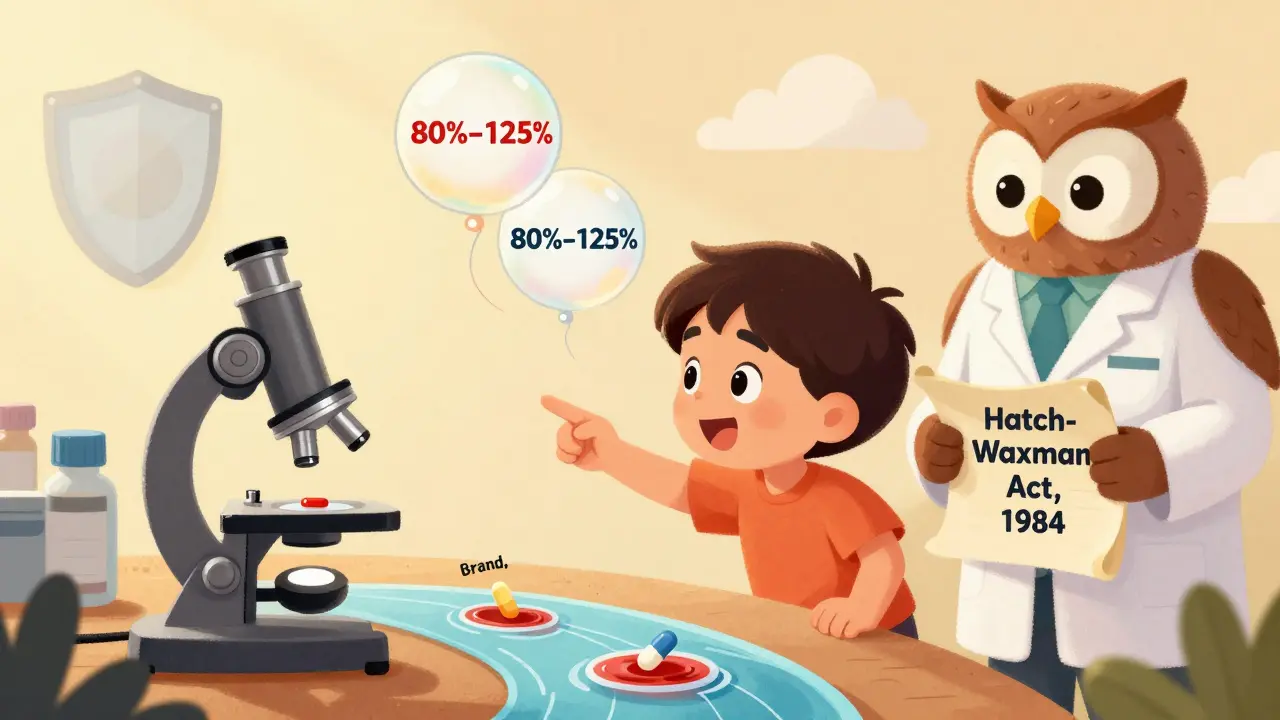
Real-World Safety Data
Some people worry that switching to generics causes problems. Reddit threads and patient forums are full of stories: “My anxiety got worse after switching to generic sertraline.” “I had headaches with the new generic version.” But here’s what the data says. The FDA’s Adverse Event Reporting System (FAERS) shows that only 0.07% of all drug-related adverse events between 2020 and 2023 involved generic drugs with confirmed bioequivalence. Meanwhile, brand-name drugs accounted for 2.3% of reports. Why? Because bioequivalence testing filters out unsafe products before they reach shelves. If a generic consistently causes problems, regulators pull it. And they track it closely. A 2022 survey of 1,247 U.S. patients found that 87% felt their generic medication worked just as well as the brand. That’s not anecdotal. That’s evidence.How Testing Is Done - And Why It’s Hard
Running a bioequivalence study isn’t easy. It takes 12 to 18 months and costs between $1 million and $2 million. Teams must recruit healthy volunteers, control their diet, take frequent blood samples, and analyze drug levels with ultra-sensitive tools like LC-MS/MS. For drugs taken with food, they must run two studies: one fasting, one after a meal. For highly variable drugs - where the body’s response differs wildly between people - regulators use scaled bioequivalence. This allows a wider range (75-133%) but adds a safety net: the average ratio between generic and brand must be close to 100%. No wide swings allowed. And then there are tricky products: creams, inhalers, eye drops. You can’t just measure blood levels for those. You need skin absorption tests, lung deposition studies, or tear fluid analysis. The FDA and EMA are still refining how to test these. That’s why some topical generics take longer to approve.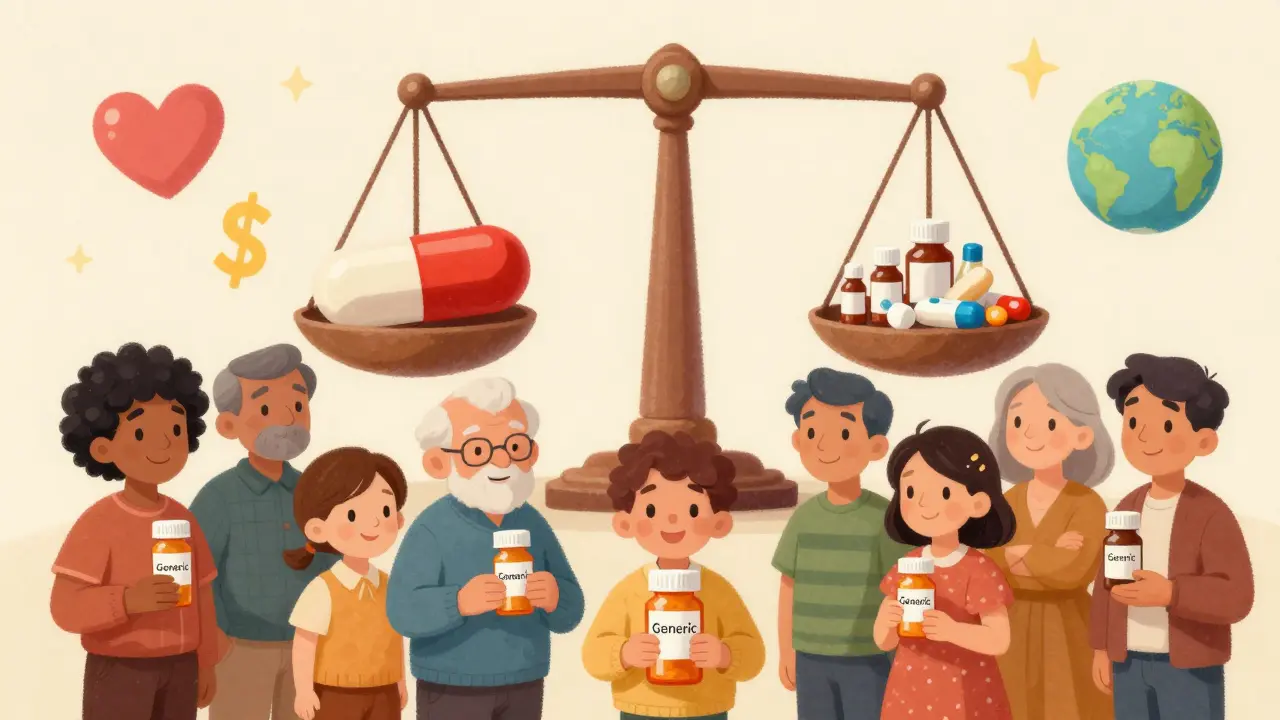
Global Standards - And Why They Differ
Not every country follows the same rules. Japan requires fasting studies even if the brand is taken with food. Brazil mandates more medical tests than the EU. These differences make it harder for companies to sell generics worldwide. That’s why groups like the International Pharmaceutical Regulators Programme (IPRP) are pushing for global alignment. Harmonization means fewer delays, lower costs, and faster access to affordable drugs - especially in low-income countries.The Bigger Picture: Savings and Access
Generic drugs make up 90% of prescriptions in the U.S. but only 23% of drug spending. In 2020 alone, they saved the American healthcare system $313 billion. Medicare Part D saved $1.7 trillion between 2006 and 2020. Without bioequivalence testing, none of that would be possible. You couldn’t trust that a $5 generic was safe. You’d have to pay $100 for the brand. And millions wouldn’t be able to afford their medicine at all.What’s Next?
The future of bioequivalence is getting smarter. The FDA is using AI to predict how a drug will behave based on lab tests - reducing the need for human studies. They’re also using computer models (PBPK) to simulate absorption in the body. In 2022, the FDA accepted 17 such models - up from just 3 in 2018. But the goal hasn’t changed. Whether it’s a tablet, an inhaler, or a cream - if it’s a generic, it must perform like the original. No shortcuts. No compromises. Patients deserve safe, effective, and affordable medicine. Bioequivalence testing is how we make sure we get all three.Are generic drugs really as safe as brand-name drugs?
Yes, when they pass bioequivalence testing. Regulatory agencies like the FDA and EMA require generics to prove they deliver the same amount of active ingredient at the same rate as the brand. Once that’s shown, and quality controls are met, the generic is approved as therapeutically equivalent. Adverse event data shows generic drugs with confirmed bioequivalence are involved in far fewer safety issues than brand-name drugs.
Why do some people say generics don’t work for them?
Anecdotal reports of differences - like mood changes or side effects - are common, but they rarely reflect actual bioequivalence failures. Individual responses to medication can vary due to metabolism, diet, or other health conditions. The FDA monitors adverse events closely; if a generic consistently caused problems, it would be recalled. Most often, perceived differences are psychological or due to switching between different generic manufacturers, not because the drug is unsafe.
Do all generic drugs need bioequivalence testing?
Yes, for small-molecule drugs. Every generic must prove bioequivalence unless it’s on a list of exceptions (like some older drugs with no approved reference). The requirement applies to oral tablets, liquids, injections, and even some topical products. The only exceptions are drugs that are too complex to test this way - like biosimilars - which go through a different, more extensive approval process.
What’s the difference between bioequivalence and therapeutic equivalence?
Bioequivalence is the scientific measurement: do the two drugs get into your bloodstream the same way? Therapeutic equivalence means that, based on bioequivalence, quality, and labeling, the drugs can be expected to have the same clinical effect and safety profile. A generic that passes bioequivalence testing is automatically considered therapeutically equivalent - meaning doctors and pharmacists can substitute it without concern.
Are there any drugs where bioequivalence testing isn’t enough?
Yes - drugs with a narrow therapeutic index (NTI) like warfarin, lithium, or levothyroxine. For these, the 80-125% range may not be tight enough. Regulators sometimes apply stricter limits (90-111%) or require additional clinical studies. Some experts argue that even tighter standards are needed, especially for drugs where small changes can cause serious side effects or treatment failure.
How do regulators ensure bioequivalence studies are done correctly?
Regulators require studies to follow strict guidelines (like FDA’s 2022 guidance or EMA’s 2010 guideline). Studies must be randomized, crossover, and use validated analytical methods. Independent audits, data reviews, and inspections of testing labs are routine. The FDA and EMA also publish detailed reports on approved generics - including the exact study design and results - so the science is transparent and open to scrutiny.
Mike Hammer
February 15, 2026 AT 02:54Also, why is it that brand-name packaging always looks like a sci-fi movie poster but the generic looks like it was printed on a 1998 printer? Same chemistry. Different marketing budget.
Charlotte Dacre
February 16, 2026 AT 12:56Chiruvella Pardha Krishna
February 17, 2026 AT 06:23And yet - they still make us take them.
Joe Grushkin
February 19, 2026 AT 04:50Virginia Kimball
February 20, 2026 AT 02:56Josiah Demara
February 21, 2026 AT 21:29Betty Kirby
February 22, 2026 AT 22:20Sarah Barrett
February 23, 2026 AT 21:49Daniel Dover
February 24, 2026 AT 12:08Kapil Verma
February 25, 2026 AT 20:15Michael Page
February 27, 2026 AT 07:03Mandeep Singh
February 28, 2026 AT 06:23Kaye Alcaraz
February 28, 2026 AT 16:04Erica Banatao Darilag
March 1, 2026 AT 09:40Esha Pathak
March 2, 2026 AT 11:36