
Child Medication Switches: A Parent's Guide to Pediatric Generics
 Apr, 5 2026
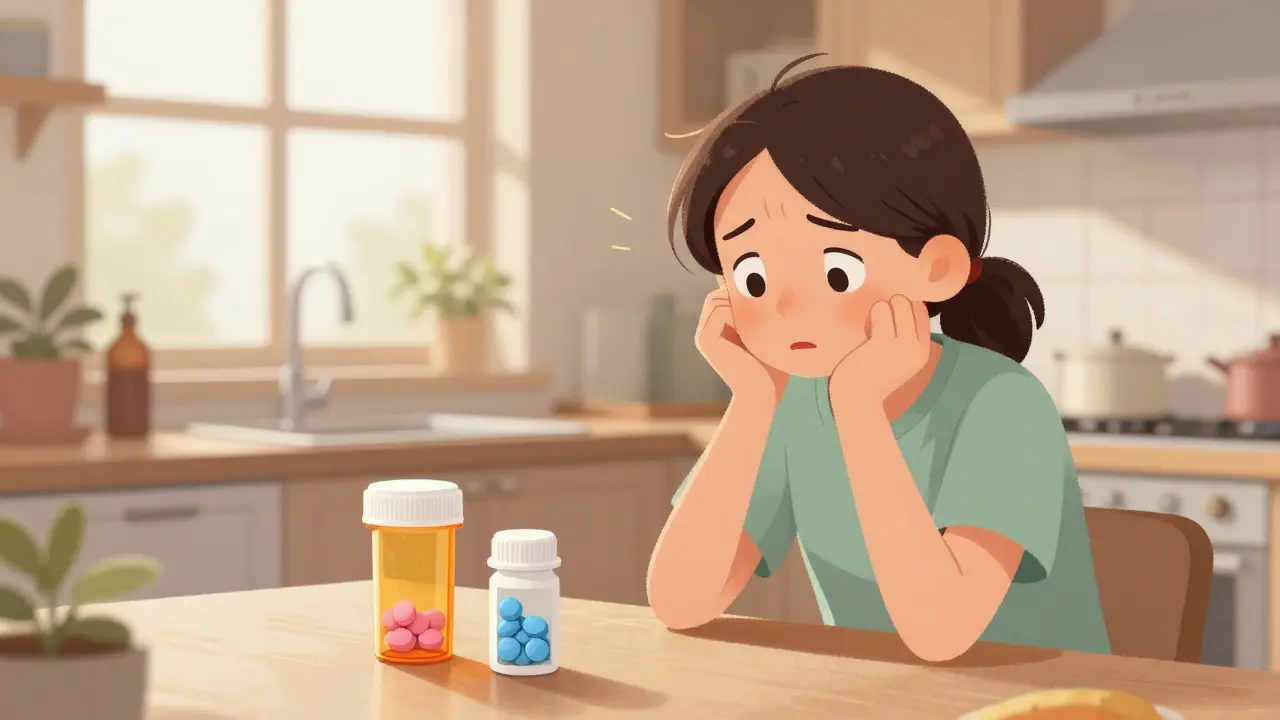
Ever opened a prescription bottle for your child only to find the pill is a different color or the liquid looks slightly different than last month? For most adults, a switch to a generic drug is a non-event. But when it comes to kids, a "simple" swap isn't always so simple. While generic drugs are designed to be the same as brand-name versions, the way a child's body processes these chemicals is vastly different from an adult's. Understanding pediatric considerations with generics is about more than just saving money; it's about ensuring your child's treatment remains stable and effective.
The Bioequivalence Gap: Why Adults Aren't a Blueprint
When we talk about generics, the magic word is "bioequivalence." In the US, the FDA requires generic drugs to have the same active ingredient as the brand name, with a bioequivalence range of 80% to 125%. To a regulator, that sounds like a win. However, Bioequivalence is the property of two pharmaceuticals to show similar bioavailability and therapeutic equivalence . The problem? These standards were largely built using adult data.
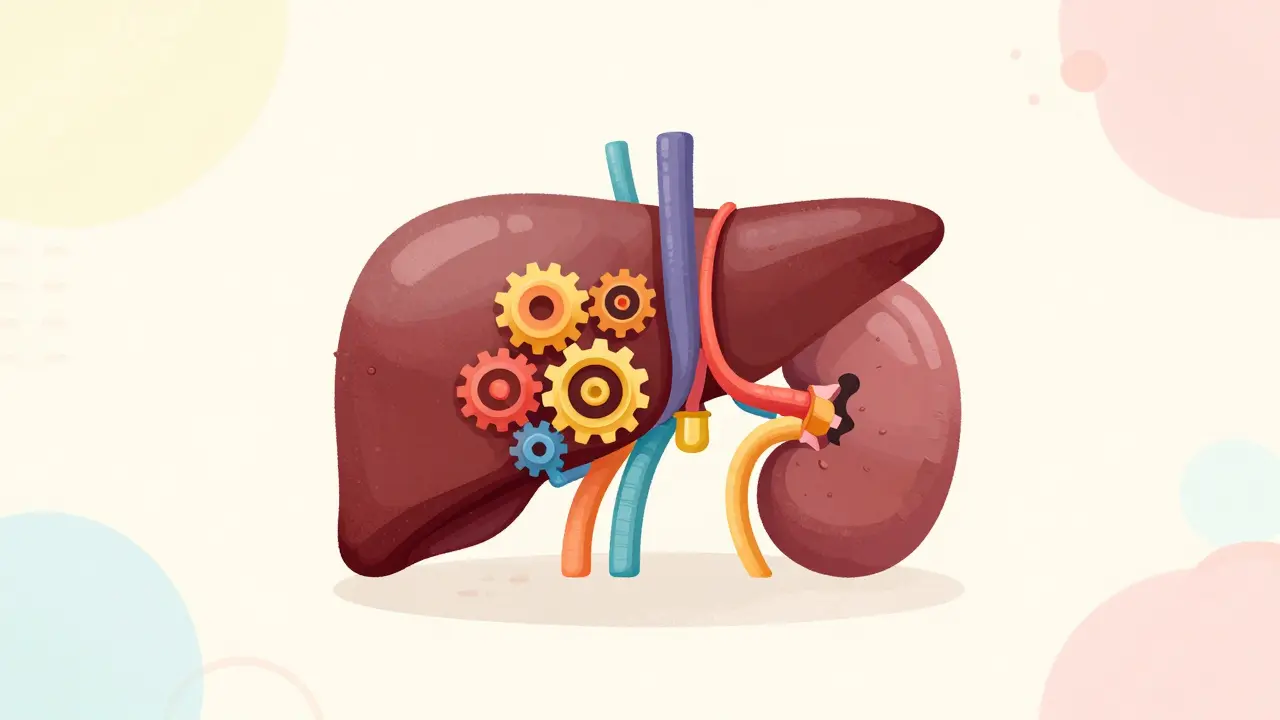
Children aren't just small adults. Their organs, specifically the liver and kidneys, mature at different rates. For example, consider proton pump inhibitors like Omeprazole. These are processed by enzymes like CYP2C19. In a 3-month-old, these enzymes aren't fully mature. If a pharmacist swaps one brand for another, the way that infant's body clears the drug might change, even if the active ingredient is identical. This means a dose that worked perfectly for a brand-name drug might behave differently with a generic version in a developing body.
High-Stakes Switches: Narrow Therapeutic Index Drugs
For most medications, a slight variation in how much drug enters the bloodstream doesn't matter. But for drugs with a Narrow Therapeutic Index (NTI) -where the line between "effective dose" and "toxic dose" is razor-thin-a 10% or 20% difference can be dangerous. This is a critical area for kids with complex health needs.
Take Tacrolimus, used to prevent organ rejection in heart transplant recipients. Research has shown that children switching from the brand-name version to a generic experienced an average 14% drop in blood trough concentrations. In the world of transplants, a 14% drop isn't just a statistic; it's a potential increase in the risk of the body rejecting the new organ.
| Drug Category | Examples | Primary Risk of Switching |
|---|---|---|
| Anti-Epileptics (AEDs) | Phenytoin | Breakthrough seizures due to concentration shifts |
| Immunosuppressants | Tacrolimus | Organ rejection or toxicity |
| Psychoactive Drugs | Antidepressants, ADHD meds | Mood instability or loss of symptom control |
| Cardiac Drugs | Digoxin | Heart rate fluctuations and toxicity |
The "Hidden" Ingredients: Inactive Excipients
When you look at a drug label, you see the active ingredient, but there's a long list of "inactive" ingredients called excipients. These are the binders, fillers, and dyes that hold the pill together or make the syrup taste like bubblegum. While these are generally safe, they aren't identical across all generic manufacturers.
For a child with severe allergies or sensory processing issues, a change in dye or a different sweetener in a liquid formulation can be a nightmare. In rare cases, these inactive ingredients can cause allergic reactions or make a medication impossible for a child to swallow, leading to missed doses. If your child is particularly sensitive, always ask the pharmacist if the inactive ingredients have changed between the brand and the generic.
Formulary Shifting and the Asthma Trap
You might encounter something called Non-medical Formulary Switching (NMFS) . This is essentially a cost-saving move by insurance companies. They stop covering one drug and force a switch to another-often a generic-simply because they can negotiate a lower price. For children with chronic conditions like asthma, this is where the system often breaks.
Asthma management relies heavily on technique. When an insurance company switches a child's inhaler to a different generic version, the device itself often changes. A different shaped mouthpiece or a different trigger mechanism can confuse a child. Research indicates that adherence rates can drop by up to 20% after these switches because caregivers get confused by the new look, or the child struggles with the new device. If the technique is wrong, drug delivery can drop by as much as 80%, leaving a child vulnerable to a severe attack.

Practical Steps for Parents and Caregivers
You don't have to be a pharmacist to protect your child during a medication switch. A few proactive questions can make a huge difference. First, ask your doctor: "Is this a Narrow Therapeutic Index drug?" If the answer is yes, ask if you can request a "Dispense as Written" (DAW) order, which tells the pharmacy not to substitute the generic.
Next, keep a log. When you switch to a generic, track your child's symptoms and behavior for the first two weeks. Are they more irritable? Are their asthma symptoms returning? Is their sleep different? Because children can't always articulate that a drug "feels different," you have to be the detective. If you notice a change, contact your pediatrician immediately. It's possible that your child is one of the few who doesn't react well to that specific generic manufacturer.
The Future of Pediatric Generics
The medical community is pushing for better standards. We are seeing a move toward pediatric-specific bioequivalence testing, meaning generics would have to be proven safe in kids, not just extrapolated from adult data. Initiatives like the 2022 Pediatric Formulation Initiative are aiming to make drugs that are actually designed for children's bodies and abilities from the start.
Until then, the best defense is a strong line of communication. Ensure your pediatrician, your pharmacist, and your insurance provider are all on the same page. A seamless transition is the only way to ensure that cost-cutting measures don't come at the expense of a child's health.
Is a generic drug always the same as a brand-name drug for children?
While the active ingredient is the same, generics can have different inactive ingredients (excipients) and slightly different absorption rates. In most children, this doesn't matter, but for those on high-risk medications or with specific sensitivities, these differences can lead to varying therapeutic outcomes.
What are "Narrow Therapeutic Index" (NTI) drugs?
NTI drugs are medications where a small change in the dose or blood concentration can cause a significant change in the drug's effect or lead to toxicity. Examples include certain anti-seizure medications and immunosuppressants. Switching these from brand to generic requires much closer monitoring.
Why does my insurance company keep changing my child's medication?
This is often due to Non-medical Formulary Switching (NMFS), where insurers update their list of covered drugs to reduce costs. They may switch to a different generic or brand that offers them a better financial deal, regardless of the clinical need for the change.
Can a different colored pill affect my child's treatment?
The color itself doesn't change the chemistry, but it can cause "caregiver confusion." If a parent mistakes a new generic pill for a different medication because the color changed, it can lead to dosing errors. It can also cause anxiety or refusal in children who are sensitive to changes in their routine.
What should I do if I suspect the generic isn't working as well?
Document the specific changes in your child's symptoms and contact your pediatrician. You can ask your doctor to write a "Dispense as Written" (DAW) prescription to ensure you get the specific brand or manufacturer that worked previously, though you may need to file an insurance appeal to cover the cost.
Christopher Cooper
April 7, 2026 AT 00:24The part about the bioequivalence range being 80% to 125% is actually quite staggering when you think about it in a pediatric context. It is fascinating how much of our medical standard is just extrapolated from adult data without enough primary research on developing organs. I wonder if there are specific databases where parents can track these generic manufacturer differences based on actual patient outcomes. This kind of transparency would be a game-changer for those of us managing chronic conditions for our kids.
Grace Lottering
April 8, 2026 AT 11:46Big Pharma just wants more money. They change the formulas to keep us guessing and keep the profits high. Typical corporate greed.
Darius Prorok
April 8, 2026 AT 19:55Everyone knows that a DAW order is basically the only way to get what you actually want. Most pharmacists won't even tell you the brand changed unless you specifically ask for the NDC code on the bottle.
Jay Vernon
April 9, 2026 AT 14:32This is so helpful! 🌟 I never knew about the inhaler shapes being different. Thanks for the heads up! 🙏
Windy Phillips
April 10, 2026 AT 16:39It is simply tragic... that some parents are still unaware of how to advocate for their children... One would think the basics of pharmaceutical research would be common knowledge by now... truly disappointing...!!!
Alexander Idle
April 11, 2026 AT 17:13Absolute nightmare. I tried to deal with this last year and it was just a total disaster. My insurance company is literally playing games with my kid's health just to save a few pennies on a rebate. It is honestly offensive that we even have to read guides like this just to make sure our kids don't have a seizure because some executive wanted a bigger bonus. Just completely ridiculous and exhausting. I cannot even deal with the amount of paperwork needed to fight an insurance appeal these days. It's a joke.
Jitesh Mohun
April 11, 2026 AT 18:00stop trusting the insurance companies blindly they only care about margins not kids get that DAW order signed now or you just gambling with health
Nathan Kreider
April 13, 2026 AT 15:30I really feel for the parents going through this. It's scary when you don't know why your child is acting different. Just stay strong and keep talking to your doctors.
Sarabjeet Singh
April 14, 2026 AT 07:43It is good to see this information being shared. Let us all stay patient and follow the professional advice of the doctors.
Ruth Swansburg
April 15, 2026 AT 08:49Please keep tracking those symptoms! Documentation is key for your pediatrician to make the right call.
Rupert McKelvie
April 15, 2026 AT 14:40The 2022 Pediatric Formulation Initiative sounds like a wonderful step forward. It's great to know the medical community is finally prioritizing children's specific needs rather than just treating them as small adults. I'm sure we'll see much better safety standards in the coming years as this gains momentum. It's a very hopeful sign for the future of healthcare.