
Chronic Conditions: How to Adjust to Generic Maintenance Medications Without Compromising Your Health
 Dec, 2 2025
When you’ve been taking a medication every day for years - maybe for high blood pressure, diabetes, or thyroid disease - switching to a generic version can feel scary. What if it doesn’t work the same? What if you start feeling worse? You’re not alone. Millions of people with chronic conditions face this exact moment. And the truth is, for most of them, the switch goes smoothly. But for some, it doesn’t. Here’s what you need to know before you make the change.
Why Generics Are the Standard for Chronic Conditions
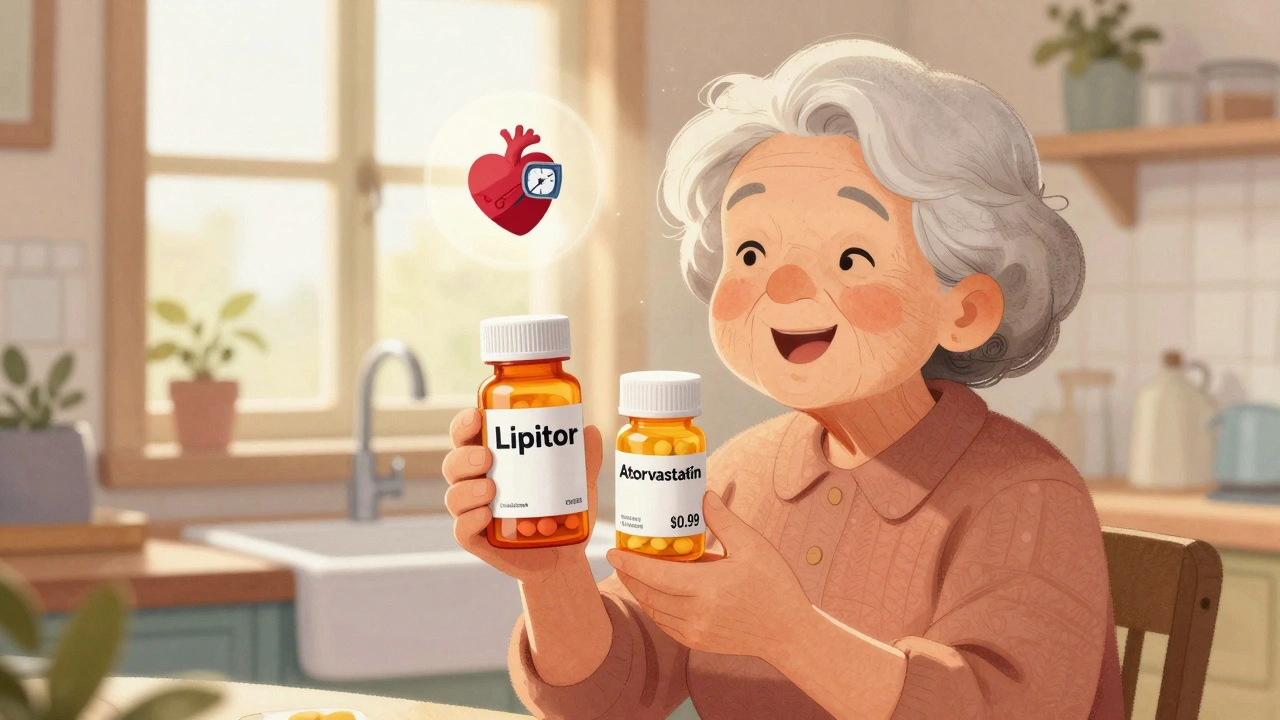
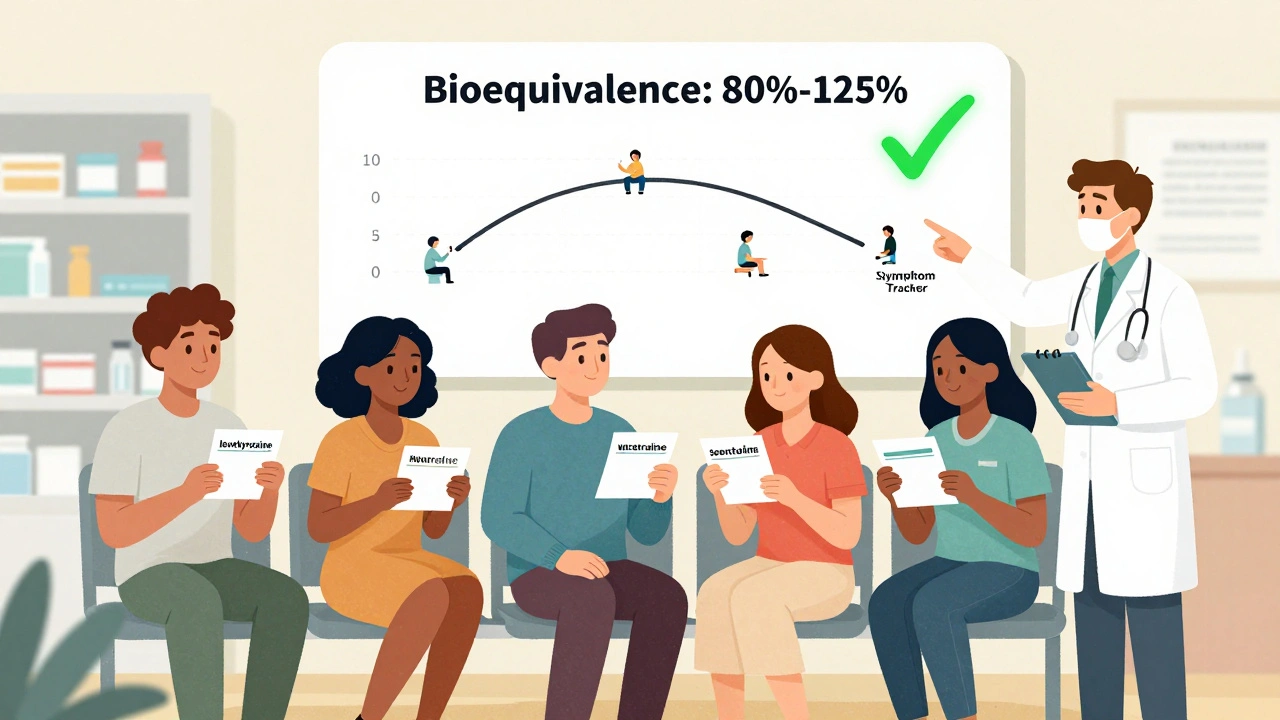
Generic maintenance medications aren’t cheaper because they’re weaker. They’re cheaper because the patent on the brand-name version expired. The FDA requires generics to have the same active ingredient, strength, dosage form, and route of administration as the brand-name drug. That means if you’re taking atorvastatin for high cholesterol, the generic version contains the exact same molecule as Lipitor. The FDA’s bioequivalence standards require that the generic delivers the same amount of the drug into your bloodstream at the same rate as the brand. The confidence interval must fall between 80% and 125% - meaning the difference is tiny, and clinically meaningless for most people.By 2023, 85% of all prescriptions for chronic conditions in the U.S. were filled with generics. That’s not because doctors are pushing them - it’s because they work. And they save patients real money. A 30-day supply of brand-name Lipitor might cost $378.50. The generic? As low as $0.99 at major pharmacies. For insulin, brand-name Lantus runs around $345. A biosimilar like Semglee is $285. The authorized generic? Just $98.50. That’s not a small difference - it’s life-changing for people on fixed incomes.
When Generics Might Cause Trouble
Not all medications are created equal when it comes to switching. Some drugs have a narrow therapeutic index - meaning there’s a very small window between the dose that works and the dose that causes harm. For these, even tiny changes in how the body absorbs the drug can matter.Drugs like levothyroxine (for hypothyroidism), warfarin (a blood thinner), and phenytoin (for seizures) fall into this category. Studies show that 1-3% of patients on these drugs experience changes in lab results after switching between generic manufacturers. For levothyroxine, thyroid-stimulating hormone (TSH) levels can fluctuate by 5-8% when switching brands, even if both are FDA-approved. That’s why many endocrinologists recommend staying on the same manufacturer. If you’re stable on a particular generic version, don’t switch unless you have to.
Another group where patients report issues: psychiatric medications. Antidepressants like sertraline or fluoxetine are often switched to generics. But 34% of patients surveyed by NAMI expressed concerns about effectiveness - even though clinical trials show no difference. Why? Because mental health is deeply personal. A slight change in how you feel - even if it’s not the drug’s fault - can make you think the medication isn’t working. Sometimes, it’s the placebo effect in reverse.
What Patients Actually Experience
A Drugs.com survey of 2,450 people taking maintenance medications found:- 41% noticed no difference at all
- 32% said they felt better because they could finally afford their meds
- 19% had minor side effects - like headaches or stomach upset - that faded within weeks
- 8% stopped the generic because they felt it wasn’t working
On Reddit’s r/Pharmacy, a thread about switching from Synthroid to generic levothyroxine got over 140 comments. About two-thirds of people said they felt worse - fatigue, brain fog, weight gain. But a third said they felt the same or better. The difference? Many of those who struggled switched between multiple generic manufacturers. Those who stayed with one brand - even if it was generic - had fewer issues.
Low-income seniors told Kaiser Family Foundation focus groups that without generics, they’d skip doses or cut pills in half. That’s not an exaggeration. One woman in her 70s with diabetes and hypertension said she used to choose between buying her meds or paying her electric bill. Now, with generics, she takes everything on time.
How to Make the Switch Safely
If your doctor or pharmacy suggests switching to a generic, here’s how to do it right:- Ask which generic manufacturer you’ll get. Not all generics are made by the same company. If you’ve had a good experience with one, ask to stick with it.
- Don’t switch multiple drugs at once. If you’re on five maintenance meds, switching them all at the same time makes it impossible to tell which one caused a change.
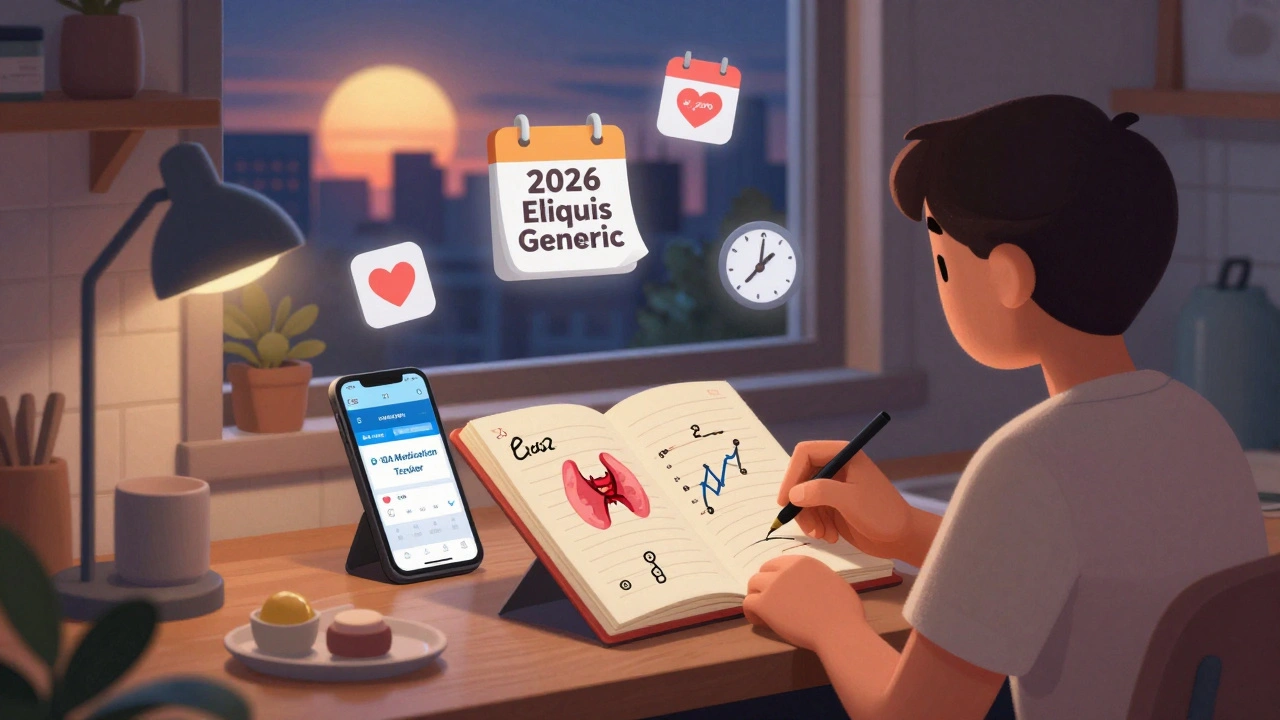
- Track your symptoms for 30 days. Use the FDA’s free Medication Tracker app or a simple notebook. Note energy levels, sleep, mood, pain, lab results - anything that matters to your condition.
- Check your labs. For thyroid, kidney, liver, or blood-thinning meds, get a follow-up test 4-6 weeks after switching. TSH, INR, creatinine - these numbers don’t lie.
- Talk to your pharmacist. They know which generics have had complaints. They can tell you if the new version has different fillers - like lactose or dyes - that might trigger allergies or sensitivities.
What Your Insurance and Doctor Need to Know
Most insurance plans automatically switch you to generics unless your doctor writes “Dispense as Written” or “Do Not Substitute.” But if you’ve had problems before, you can request a brand-name drug. You’ll need prior authorization - and you’ll need to prove it didn’t work with at least two generics. Approval rates are low - only 14% for maintenance meds.Some states, like New York and California, now require pharmacies to give you the same generic manufacturer each refill. That’s called “consistent substitution.” It’s not the law everywhere yet, but it’s becoming more common. Ask your pharmacist if they can lock in your manufacturer.
What to Do If You Feel Worse
If you switch and feel off - tired, anxious, dizzy, or your chronic symptoms return - don’t panic. But don’t ignore it either. Most side effects fade in 2-4 weeks as your body adjusts. But if you’re still feeling worse after a month:- Call your doctor. Don’t wait for your next appointment.
- Bring your symptom log.
- Ask for a lab test if applicable.
- Request to go back to your previous version - brand or generic.
Doctors are more likely to approve a switch back if you have data. A TSH level that jumped from 2.1 to 6.8? That’s not in your head. That’s real.
The Bigger Picture: Why This Matters
Generic maintenance medications aren’t just about saving money. They’re about keeping people healthy. Studies show patients on generics have 12-15% higher adherence rates. That means fewer hospital visits, fewer ER trips, fewer complications. The American College of Physicians estimates that switching to generics saves the average patient with multiple chronic conditions $1,200 a year. That’s not a luxury - it’s a lifeline.And the trend is only growing. In 2023, the FDA approved 79 new generic maintenance drugs - including first-time generics for Jardiance and Entresto, two major heart and diabetes drugs. More patents are expiring. More options are coming. By 2026, Eliquis (apixaban) will go generic - a drug used by over 5 million Americans. That could save billions.
The fear of generics is real. But the evidence is clearer: for 97% of people, generics work just as well. The key is not to avoid switching - but to do it smartly. Stay consistent. Track your health. Speak up when something feels off. Your body will thank you - and so will your wallet.
Are generic maintenance medications as effective as brand-name drugs?
Yes, for the vast majority of people. The FDA requires generics to have the same active ingredient, strength, and absorption rate as the brand-name version. Studies show they work equally well in treating chronic conditions like high blood pressure, diabetes, and high cholesterol. The only difference is in inactive ingredients - like fillers or dyes - which rarely cause issues.
Can switching to a generic make my condition worse?
It’s rare, but possible - especially with drugs that have a narrow therapeutic index, like levothyroxine, warfarin, or phenytoin. Small differences in how the body absorbs these drugs can affect lab results or symptoms. If you switch and feel worse, track your symptoms and get a follow-up blood test. Don’t assume it’s all in your head - but don’t assume the drug is faulty either. Sometimes, it’s just your body adjusting.
Why do some people feel worse on generic antidepressants?
The active ingredient is identical. But antidepressants affect brain chemistry in subtle ways. Some people are sensitive to inactive ingredients - like dyes or preservatives - or they may be reacting to the psychological stress of switching. Studies show no clinical difference in effectiveness, but patient perception matters. If you feel worse, talk to your doctor. You may need to switch back or try a different generic manufacturer.
Can I ask for a specific generic manufacturer?
Yes. Ask your pharmacist which company makes the generic you’re being given. If you’ve had a good experience with one brand (like Teva or Mylan), ask if they can fill your prescription with that same manufacturer. Some states now require pharmacies to use the same manufacturer for refills to avoid variability. You may need to request it in writing.
What should I do if my insurance won’t cover the brand-name drug?
Most insurance plans require you to try generics first. If you’ve already tried two and had problems, your doctor can file a prior authorization request with evidence - like lab results or symptom logs - showing the generics didn’t work. Approval is rare (only 14% of requests are approved), but it’s possible. If you’re on Medicare, new rules cap insulin at $35/month, making generics even more accessible.
How long does it take to adjust to a generic medication?
Most people adjust within 2-4 weeks. Your body needs time to stabilize after a change in inactive ingredients or slight absorption differences. If symptoms persist beyond a month, contact your doctor. Don’t wait. Keep a daily log of how you feel - energy, mood, pain, sleep - and bring it to your appointment.
Are there any maintenance drugs that should never be switched to generic?
No drug is officially banned from generic substitution. But experts recommend staying on the same version - brand or generic - for narrow therapeutic index drugs like levothyroxine, warfarin, and phenytoin. If you’re stable on a brand-name version, and switching causes issues, your doctor can request an exception. But for most people - 97% - generics are safe and effective.
kelly mckeown
December 3, 2025 AT 07:33i switched my levothyroxine last year and totally panicked when i felt foggy for a week… turned out it was just my body adjusting. i stuck with the same generic manufacturer after that and haven’t had an issue since. don’t rush to switch back.
Siddharth Notani
December 4, 2025 AT 01:27As a pharmacist in Mumbai, I see patients from rural areas who cannot afford brand-name drugs. Generics save lives. The science is clear: bioequivalence is rigorously tested. Trust the process, but track your labs. 🙏
Tom Costello
December 5, 2025 AT 21:51One thing nobody talks about is the fillers. I’m lactose intolerant and once got a generic that had lactose as a binder. Took me three weeks to realize it wasn’t my thyroid acting up-it was my gut. Always ask your pharmacist about inactive ingredients. They know.
Cyndy Gregoria
December 7, 2025 AT 20:33My mom was on Lipitor for 12 years. Switched to generic-same dose, same everything. She saved $300 a month. Now she takes her grandkids to the park every weekend. That’s not just a pill. That’s freedom.
Chad Kennedy
December 8, 2025 AT 10:07Ugh, generics. I switched and felt like crap for a month. My doctor said ‘it’s all in your head.’ Yeah, right. I went back to brand. Worth every penny. My anxiety didn’t magically disappear after 2 weeks-it just got worse.
dylan dowsett
December 9, 2025 AT 03:14Stop being so gullible! The FDA’s 80-125% range? That’s a 45% variance! You’re basically gambling with your life! And don’t even get me started on the ‘inactive ingredients’-those are just poison filler! Why do you trust Big Pharma’s knockoffs???
Susan Haboustak
December 9, 2025 AT 14:05Chad, you’re not ‘feeling worse’-you’re just not used to taking responsibility for your own health. You didn’t track symptoms. You didn’t get labs. You just blamed the pill. That’s not the drug’s fault. That’s your avoidance.
Colin Mitchell
December 11, 2025 AT 11:49Susan, that’s harsh-but honestly? You’re not wrong. I’ve seen people blame generics when they’re actually stressed, sleeping poorly, or skipping meals. It’s easy to think the pill changed when your life did. Track it. Log it. Then decide.
Adrianna Alfano
December 13, 2025 AT 07:15my doc switched me from synthroid to a generic and i started gaining weight like crazy. i called the pharmacy and they said it was teva. i asked for the same one next time and boom-back to normal. don’t let them just swap it without telling you!!
Palanivelu Sivanathan
December 14, 2025 AT 12:01life is a paradox, man… the pill that saves you is the same pill that might break you… and yet, we still trust the system? maybe it’s not the drug… maybe it’s the silence between the doctor’s words… the unasked question… the fear we don’t name…
Joanne Rencher
December 14, 2025 AT 20:39Ugh, this whole post is so naive. My cousin died because her doctor switched her to a cheap generic warfarin. She bled out. Don’t pretend this is just ‘minor side effects.’ It’s corporate greed dressed up as science.