
Compounding Pharmacies: Your Best Alternative During Drug Shortages
 Apr, 19 2026
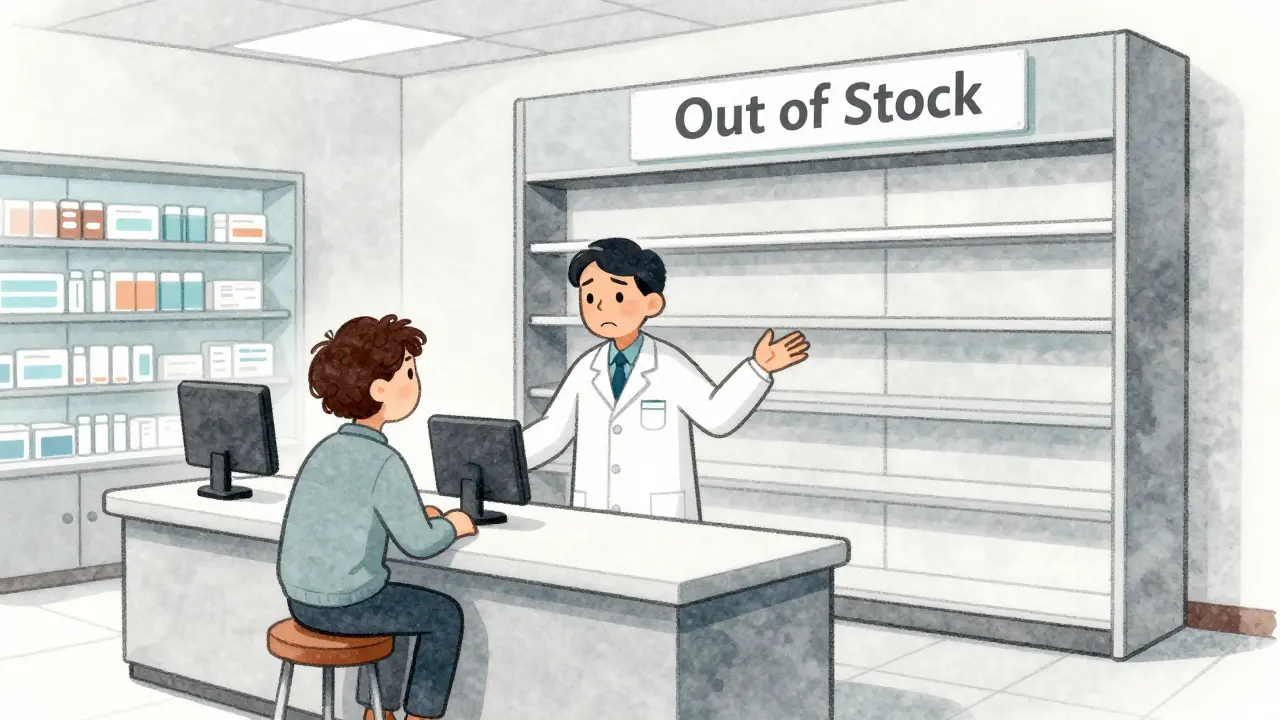
It is a nightmare scenario: you head to the pharmacy to pick up a critical prescription, only to be told the drug is on backorder with no clear date for its return. In a healthcare system where 300 to 400 drug shortages happen every single year, this isn't just a rare fluke-it is a systemic issue. When the standard supply chain breaks, compounding pharmacies is a specialized pharmaceutical facility that creates customized medications tailored to individual patient needs by mixing or altering ingredients to formulate drugs not commercially available. While most of us are used to the "one size fits all" approach of mass-produced pills, these pharmacies offer a way to bridge the gap when the big manufacturers can't keep up.
How Compounding Solves the Availability Gap
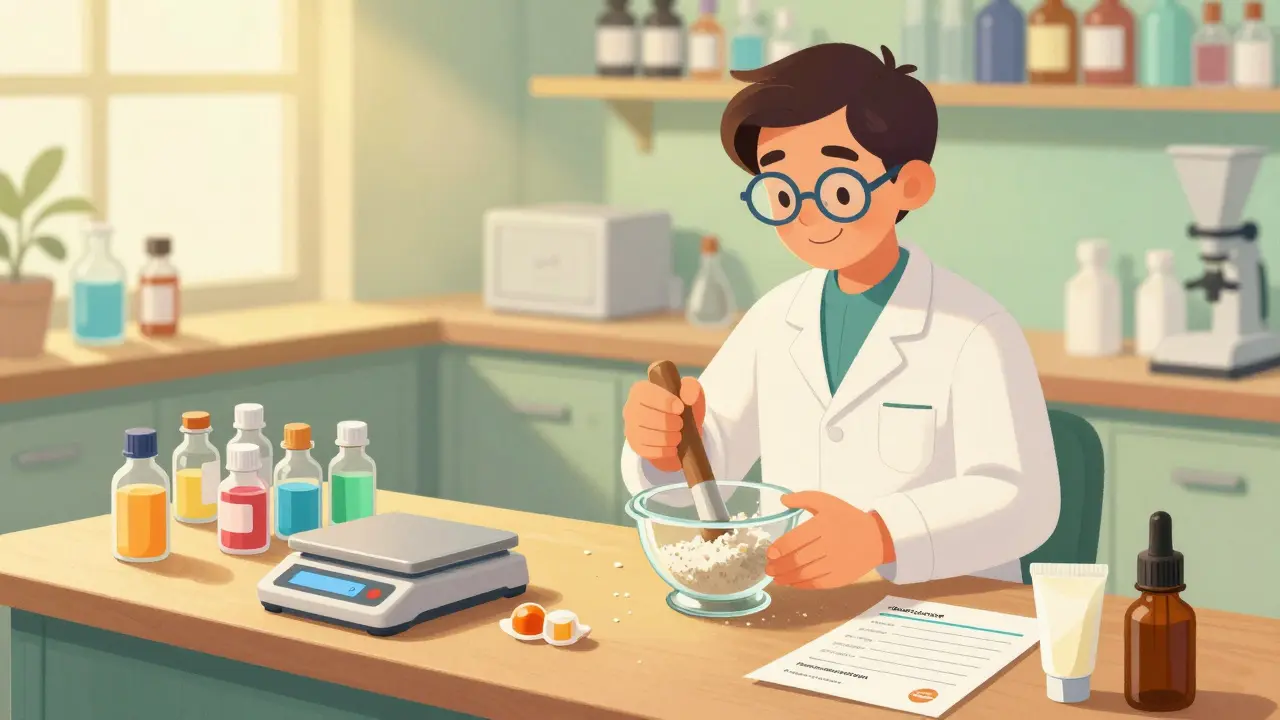
Most pharmacies simply dispense a pre-packaged product. A compounding pharmacist, however, works with raw pharmaceutical ingredients. When a specific brand of medication disappears from the shelves, a compounding pharmacy can often recreate the active ingredient in a usable form. This is a lifesaver for patients who cannot simply "switch" to a different drug due to medical restrictions or severe allergies.
Beyond just fighting shortages, these facilities solve problems that mass production ignores. For example, about 15% to 20% of people have sensitivities to common fillers like gluten, lactose, or specific dyes. A compounding pharmacy can strip those out, creating an allergen-free version of a necessary drug. This isn't just a luxury; for some, it is the only way to avoid an allergic reaction while staying on their treatment plan.
Custom Dosages and Delivery Methods
Have you ever struggled to swallow a massive pill, or tried to give a child a medication that tastes like battery acid? You are not alone. About 40% of children and 30% of elderly patients struggle with swallowing standard tablets. This is where the technical skill of a Compounding Pharmacist comes in. They can transform a hard pill into a liquid, a gel, a cream, or even a troche (a small lozenge that dissolves in the mouth).
Precision is the name of the game here. While a commercial drug comes in set strengths (like 10mg or 20mg), compounding pharmacies can dial in the exact microgram or milligram your doctor requires. This level of customization is particularly vital in hormone replacement therapy and pain management, where a tiny shift in dosage can be the difference between a successful treatment and unwanted side effects.
| Feature | Retail Pharmacy | Compounding Pharmacy |
|---|---|---|
| Product Source | Pre-manufactured lots | Raw pharmaceutical ingredients |
| Dosage Flexibility | Fixed strengths | Customized to the milligram |
| Allergen Control | Standard fillers used | Can remove gluten, dyes, lactose |
| Wait Time | Usually immediate | 24 to 72 hours |
| Regulatory Focus | FDA-approved finished drugs | USP <795> and <797> guidelines |
The Safety and Regulatory Side of Things
Because they aren't selling a pre-approved "product" from a factory, compounding pharmacies operate under a different set of rules. In the US, the FDA (Food and Drug Administration) provides the overarching framework, but the actual "how-to" of the mixing process follows strict standards. Specifically, USP <795> covers non-sterile compounding (like creams), while USP <797> governs sterile preparations (like injectables) which require specialized clean rooms to prevent contamination.
It is a common misconception that compounded drugs are "unregulated." While they don't undergo the same multi-year clinical trials as a new mass-market drug, they are made from recognized pharmaceutical ingredients. However, there is a catch: compounding should be an alternative, not a first choice. If a safe, FDA-approved version of a drug is available and works for you, that is always the gold standard because it has passed the most rigorous pre-market testing.
Real-World Impact: From Pediatrics to Dermatology
The value of these pharmacies shows up most clearly in niche medical needs. In dermatology, for example, a patient might need a combination of three different medications in one cream to treat a complex skin condition. A retail pharmacy can't do that, but a compounding lab can blend them into a single application, which usually means the patient is more likely to actually use the medication correctly.
For parents, the psychological win is huge. When a medication is reformulated with flavors like bubblegum or strawberry, adherence rates for children's meds jump by as much as 73%. It turns a daily battle of wills into a simple routine. In the world of hair loss, some patients have switched from oral medications to compounded topical versions, seeing a significant drop in side effects-from 32% down to just 8% in some reported cases.
What to Expect When Ordering a Compounded Drug
If your doctor suggests a compounded alternative, don't expect to walk in and walk out with your meds in ten minutes. Because these are made from scratch, the preparation time usually ranges from 24 to 72 hours. This window allows the pharmacist to ensure the ingredients are stable and the dosage is pinpoint accurate.
You also need to be prepared for a different financial conversation. Insurance coverage for compounded meds is notoriously spotty. About 45% of patients end up paying out-of-pocket for these prescriptions, compared to only 15% for standard ones. Before you commit, ask your pharmacist for a price quote and check if your insurance recognizes the specific compounding facility.
To ensure you are getting a high-quality product, look for pharmacies accredited by the Pharmacy Compounding Accreditation Board (PCAB). Accreditation means the facility has met stringent standards for equipment, staff training, and quality control, giving you an extra layer of security when your health is on the line.
Navigating the Future of Personalized Medicine
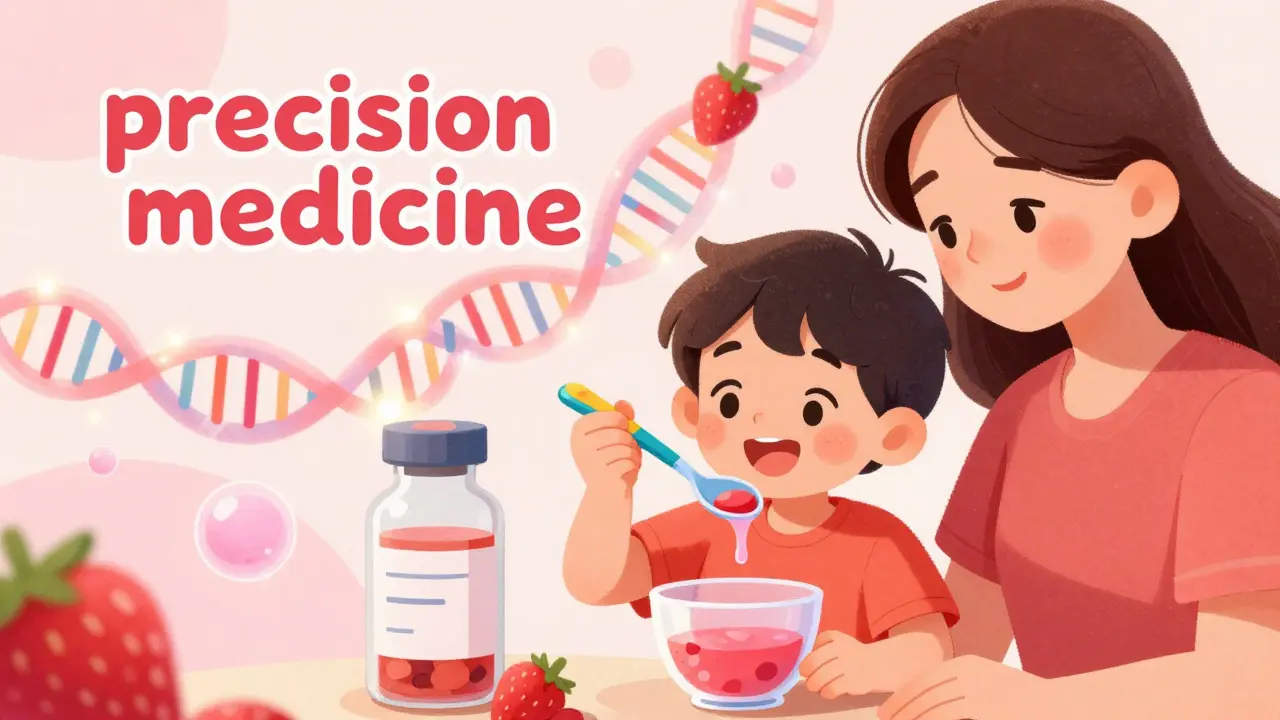
We are moving toward a world of precision medicine. Instead of a doctor guessing which dose might work for you, future compounding will likely rely on genetic testing to determine exactly how your body metabolizes a drug. We are already seeing this shift, with a growing number of pharmacists integrating genetic data into their formulations to maximize efficacy and minimize toxicity.
As drug shortages continue to plague the global supply chain, these specialized pharmacies will move from the periphery to the center of patient care. They provide a critical safety net, ensuring that a manufacturing hiccup in another country doesn't result in a patient missing their life-saving medication.
Are compounded medications safe?
Yes, when prepared by a licensed pharmacist following USP <795> and <797> standards. While they don't have the same FDA pre-market approval as mass-produced drugs, they use pharmaceutical-grade ingredients. To ensure safety, always use a PCAB-accredited pharmacy.
Why is my compounded medication more expensive than a retail one?
Compounded drugs require significantly more labor. Pharmacists spend 25-35% more time on a single compounded prescription than a standard one. Additionally, insurance companies often view these as "specialty" items and are less likely to cover them than generic mass-produced alternatives.
Can a compounding pharmacy make any drug?
Not everything. They cannot replicate complex biologics or medications that require high-tech industrial manufacturing processes. They excel at altering dosages, removing allergens, and changing the delivery form (e.g., pill to liquid) of existing pharmaceutical ingredients.
How long does it take to get a compounded prescription?
Typically between 24 and 72 hours. Because the medication is formulated specifically for you from raw ingredients, it cannot be dispensed immediately like a pre-packaged pill.
When should I choose a compounded drug over a standard one?
You should choose a compounded version if you have an allergy to a commercial filler, if the standard dose isn't available in the strength you need, if you have difficulty swallowing pills, or if the FDA-approved drug is currently unavailable due to a shortage.
Aaron McGrath
April 21, 2026 AT 12:20Listen up! We need to optimize the supply chain UX immediately! This isn't just about 'mixing' stuff, it's about vertical integration of pharmaceutical agility! If you aren't leveraging PCAB-accredited facilities to mitigate the volatility of the current API procurement cycle, you're basically just waiting to fail! Get your providers on board and pivot to personalized dosing now or get left in the dust of a broken system!
Ms. Sara
April 22, 2026 AT 00:48It is so heart-wrenching to think about parents struggling to give their children life-saving meds because of the taste. The shift in adherence rates is a huge win for pediatric care. I've always felt that the medical industry overlooks the human element of delivery, and it's wonderful to see a practical solution that puts the patient's comfort first.
Cynthia Didion
April 23, 2026 AT 06:09Only in America do we have to pay a premium for basic medical customization. Pathetic.
Shalika Jain
April 23, 2026 AT 06:57Oh please, as if this is some revolutionary 'discovery.' Any sophisticated person knows that bespoke medicine is the only way to actually treat a body. The idea that we should just settle for mass-produced pills from a factory is honestly insulting to the concept of wellness. I can't believe people actually find the 'wait time' an issue-quality takes time, darling. If you want a pill in ten minutes, go buy some candy.
Valorie Darling
April 24, 2026 AT 08:01wow sure... just trust some guy in a lab to mix your pills lol sounds like a recipe for disaster to me
Lynn Smith
April 24, 2026 AT 09:10I think Valorie might just be worried about the safety, but the USP standards mentioned are actually pretty rigorous. I've heard from a few friends that their doctors really trust these labs for specific hormone therapies.
Arthur Luke
April 24, 2026 AT 17:11I wonder if the cost difference is primarily driven by the lack of economies of scale or if the raw ingredient procurement for small batches is simply more expensive per unit. It would be interesting to see a breakdown of the overhead costs compared to a retail pharmacy's distribution model.
Don Drapper
April 24, 2026 AT 22:01The sheer audacity of the insurance industry to categorize life-sustaining customization as a 'specialty' item is a tragedy of Shakespearean proportions. We are witnessing the systematic erosion of patient autonomy, draped in the guise of fiscal responsibility. It is an absolute travesty that a patient's survival depends on whether their provider recognizes a specific facility's accreditation.
Venkatesh Venky
April 24, 2026 AT 22:13We can all find a way to make this work together. Even if the costs are high, the peace of mind knowing you have the right dose is worth the effort. Let's keep sharing info on how to get insurance to cover these things!
aman motamedi
April 25, 2026 AT 01:42I believe it is prudent to adhere to the guidance of one's physician regarding the use of accredited pharmacies.