
Corticosteroids: When Short-Term Relief Is Worth the Long-Term Risk
 Dec, 1 2025
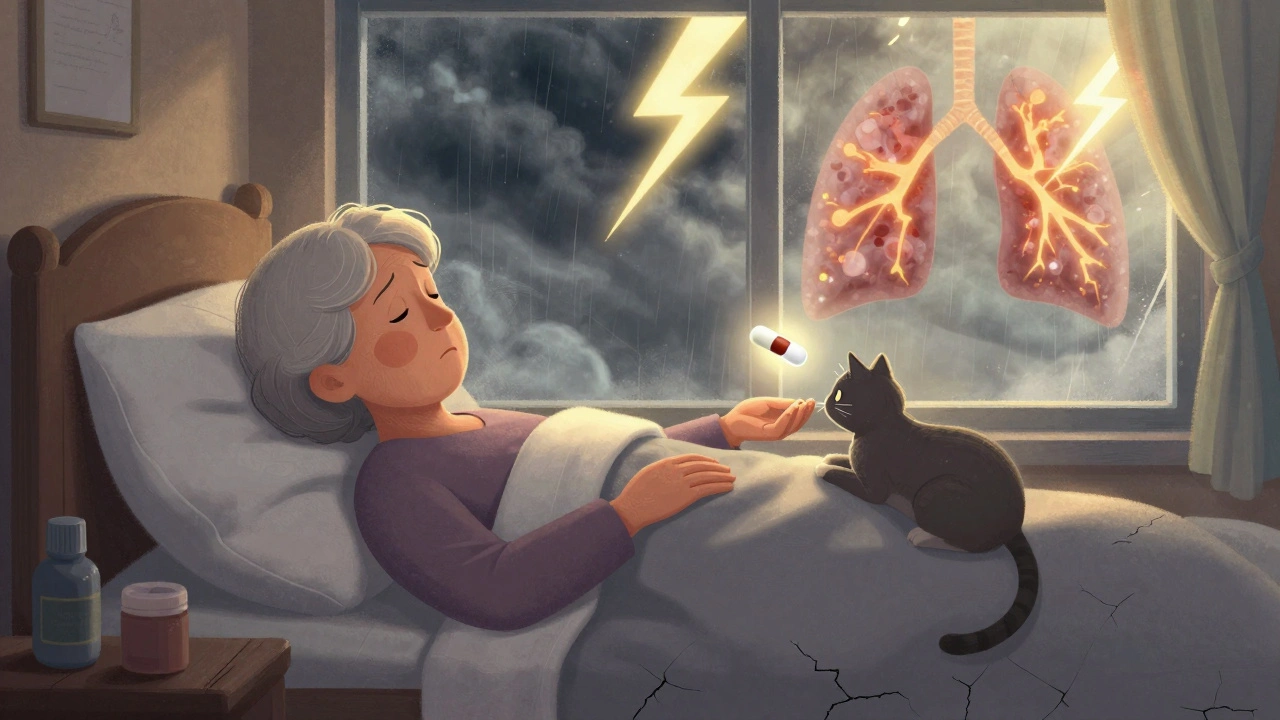
For many people, a course of corticosteroids feels like a miracle. One day you’re in agony from a flare-up of rheumatoid arthritis, struggling to breathe during an asthma attack, or swollen and feverish from a severe allergic reaction. The next, you wake up feeling like yourself again-sometimes within 24 hours. That’s the power of corticosteroids. But here’s the catch: what helps you today might hurt you tomorrow.
How Corticosteroids Work (And Why They’re So Fast)
Corticosteroids are synthetic versions of cortisol, a hormone your body naturally makes to manage stress and inflammation. When you’re sick or injured, your immune system goes into overdrive. That’s good for fighting infection-but bad when it turns on your own joints, lungs, or skin. Corticosteroids calm that storm. They don’t cure the underlying disease. They just turn down the noise.
That’s why they work so quickly. Unlike DMARDs or biologics, which can take weeks to build up in your system, corticosteroids hit your cells within hours. A single oral dose of prednisone can reduce joint swelling by 50% in two days. An injection into a painful knee? Relief often starts within a week. That speed is why doctors reach for them during emergencies-like a sudden lupus flare or a severe COPD exacerbation.
The Real Cost of Quick Relief
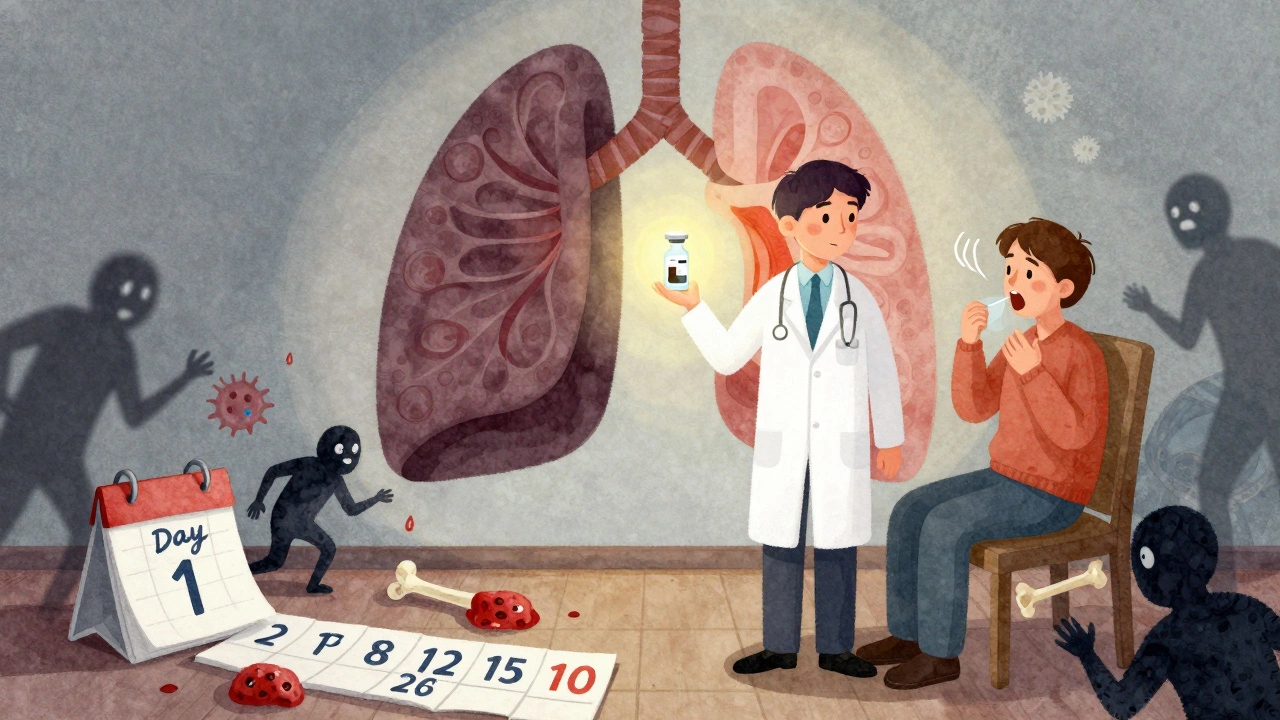
But every benefit comes with a price tag. Even a short course-just 5 to 10 days-can trigger side effects you didn’t sign up for. A 2021 study tracking 1.5 million patients found that people taking corticosteroids for less than 30 days had a 430% higher risk of sepsis, a 230% higher chance of blood clots, and a 90% increased risk of breaking a bone. These aren’t rare. They happen.
And it’s not just the big dangers. Most people notice the little ones first: trouble sleeping, increased appetite, mood swings, or sudden weight gain. One patient on Reddit described it as “moon face”-a round, puffy look that appeared within two weeks of starting 10mg of prednisone. Another said they gained 12 pounds in under two months, even though they didn’t eat more than usual. These aren’t myths. They’re documented.
For older adults, the risks stack up faster. A 70-year-old on corticosteroids loses bone density at 3-5% per month in the first year. That’s not osteoporosis waiting to happen-it’s osteoporosis already happening. And once bone is gone, it doesn’t come back. Same with cataracts. Once they form, surgery is the only fix.
When Are Corticosteroids Actually Needed?
Not every cough, backache, or skin rash needs steroids. Yet, nearly half of all prescriptions in the U.S. go to conditions where they offer little to no benefit. A 2020 analysis showed 22% of corticosteroid prescriptions were for acute bronchitis-a viral illness that clears on its own. Another 19% were for nonspecific back pain. In both cases, the risks outweigh the rewards.
Here’s where they actually make sense:
- Severe asthma or COPD flare-ups (cuts hospital stays by nearly 2 days)
- Flares of lupus, rheumatoid arthritis, or vasculitis
- Severe allergic reactions or anaphylaxis
- Peritonsillar abscess (reduces need for surgery by 27%)
- Relapsing polychondritis, giant cell arteritis, or other rare autoimmune conditions
For these, corticosteroids are life-changing. For everything else? They’re overkill-and dangerous.
What’s the Right Dose and Duration?
There’s no one-size-fits-all answer, but guidelines are clear: use the lowest dose for the shortest time possible. For most inflammatory conditions, doctors start with 5-10mg of prednisone daily. That’s enough to control symptoms without overwhelming your body.
And here’s the rule most patients don’t know: if you take steroids for more than 14 days, you can’t just stop. Your adrenal glands shut down in response. If you quit cold turkey, your body can’t make cortisol fast enough. That’s adrenal insufficiency-and it can be deadly. That’s why every course longer than two weeks needs a taper. Slowly lowering the dose over at least a week lets your body wake up again.
For injections, the same logic applies. A cortisone shot into a joint might give you months of relief-but repeated shots (more than 3-4 a year) can damage cartilage and weaken tendons. That’s why specialists now limit them to once every 3-6 months.
How to Protect Yourself
If you’re prescribed corticosteroids, don’t wait for side effects to show up. Ask for a plan. Here’s what you should expect:
- Baseline bone scan (DEXA) if you’re on more than 7.5mg daily for over 3 months
- Calcium and vitamin D supplements-1200mg and 800IU daily, respectively
- Monthly blood sugar checks, especially if you have prediabetes
- Eye exams every 3-6 months if you’re on steroids for more than 3 months
- A written tapering schedule, not just a prescription
And if you’re over 65, have diabetes, or have a history of fractures? Your doctor should be extra cautious. In fact, Cleveland Clinic’s protocol requires yearly IV zoledronic acid for anyone on more than 20mg prednisone daily for over a month. That’s not optional. It’s standard care.
The New Alternatives
Good news: the tide is turning. In December 2023, the FDA approved the first selective glucocorticoid receptor modulator-fosdagrocorat. Unlike traditional steroids, it targets inflammation without triggering as much weight gain, high blood sugar, or bone loss. Early trials showed 63% fewer cases of hyperglycemia compared to prednisone at the same dose.
Doctors are also pushing harder to use biologics and DMARDs earlier. Yes, they take longer to work-but they’re safer for the long haul. For rheumatoid arthritis, EULAR now says: no one should stay on systemic steroids beyond 6 months unless all other options have failed.
Electronic health records in 87% of U.S. hospitals now flag inappropriate steroid prescriptions. If your doctor tries to write a 10-day course for a sinus infection, the system will pop up a warning. That’s progress.
What Patients Really Say
On Healthgrades, corticosteroids average a 3.2 out of 5. Why? Because 68% of users say they saved their life during a flare. But 79% also say they suffered side effects. One woman wrote: “I got my mobility back after my lupus flare-but now I have diabetes, cataracts, and a fractured hip. Was it worth it? I don’t know.”
Another said: “I took prednisone for 12 days for my asthma. I felt amazing. Then I couldn’t sleep for weeks. My legs swelled. I gained 15 pounds. I didn’t know it was the medicine until my pharmacist pointed it out.”
These aren’t outliers. They’re the norm.
Final Thoughts: A Tool, Not a Crutch
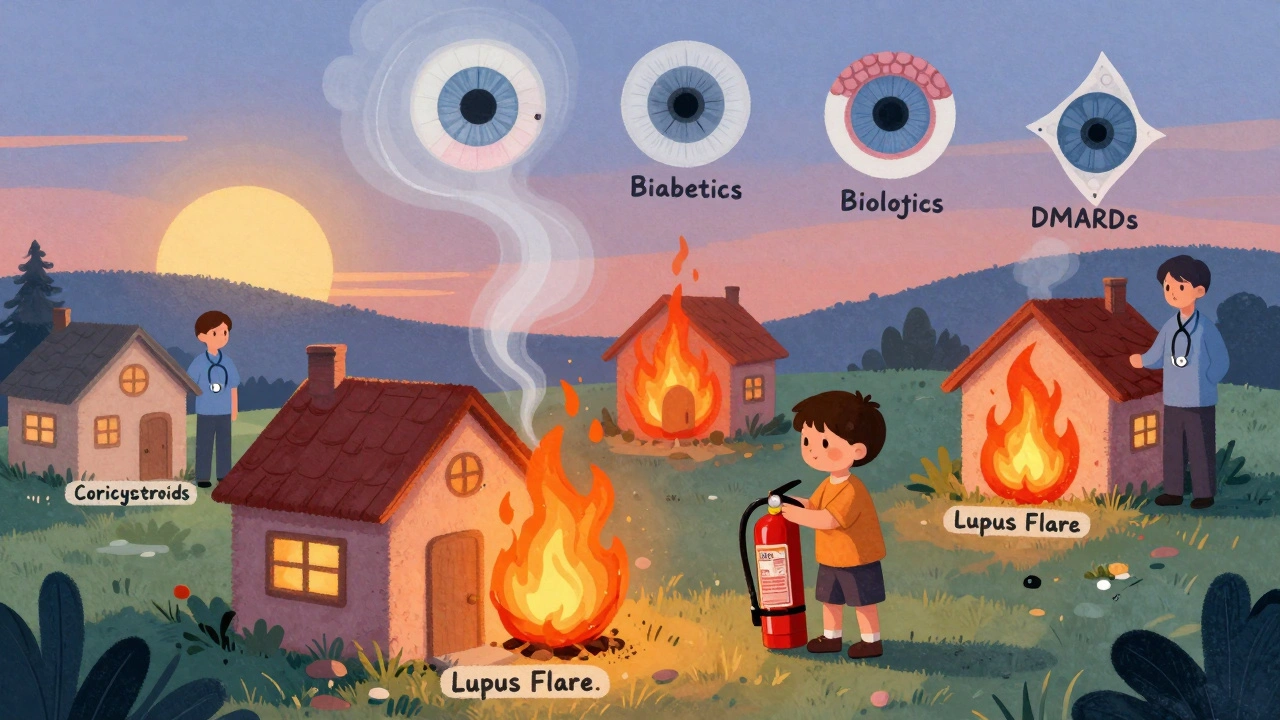
Corticosteroids are like a fire extinguisher. You don’t want to live with one in your house and never use it. But you also don’t want to leave it running because it’s convenient. They’re powerful, fast, and effective-but dangerous if misused.
If you’re prescribed steroids, ask: Is this truly necessary? What’s the shortest course possible? What are we doing to protect me from the side effects? And what’s the plan if this doesn’t work?
The goal isn’t to avoid them entirely. It’s to use them wisely. Because sometimes, the medicine that saves you today can steal your health tomorrow.
Can I stop taking prednisone if I feel better?
Only if your doctor says so. Stopping suddenly after more than 14 days can cause adrenal insufficiency-your body won’t know how to make cortisol on its own. That can lead to extreme fatigue, low blood pressure, nausea, or even shock. Always follow a tapering schedule, even if you feel fine.
Do steroid injections damage joints over time?
Yes, repeated injections can weaken cartilage and tendons. Most specialists limit cortisone shots to 3-4 per joint per year. If you need them more often, it’s a sign your underlying condition isn’t being managed well enough. Talk to your rheumatologist about long-term alternatives like DMARDs or biologics.
Are there natural alternatives to corticosteroids?
There’s no natural remedy that matches the power of corticosteroids for acute inflammation. Turmeric, omega-3s, and CBD may help with mild joint pain, but they won’t stop a severe lupus flare or a life-threatening asthma attack. They’re supplements-not substitutes. Don’t trade proven medicine for unproven remedies when you’re in crisis.
Why do corticosteroids cause weight gain?
They increase appetite and cause your body to hold onto water and fat, especially around the belly, face, and back. They also change how your body processes sugar and insulin, leading to fat storage. This isn’t just “eating more”-it’s a direct chemical effect. That’s why doctors recommend low-sodium, high-protein diets during treatment.
Can corticosteroids cause permanent damage?
Yes. Long-term use (over 3 months) can lead to irreversible changes: cataracts, osteoporosis, type 2 diabetes, and muscle wasting. Even after stopping, some damage stays. That’s why monitoring is critical. Bone density loss, for example, begins in the first 30 days. Catching it early with a DEXA scan can make all the difference.
Doug Hawk
December 3, 2025 AT 08:47Man I got prescribed prednisone for a bad eczema flare last year and holy hell it was like magic. Then I woke up one day with moon face and felt like I was carrying a watermelon in my belly. Didn't even eat more but gained 14 lbs in 3 weeks. My doc never mentioned any of this. Just handed me the script and said 'take it for 10 days'. No taper, no warnings. Felt like I got scammed.
John Morrow
December 3, 2025 AT 09:50It's fascinating how the pharmacodynamic profile of synthetic glucocorticoids creates a bifurcated therapeutic outcome-rapid anti-inflammatory efficacy versus a cascade of metabolic and immunological dysregulation. The 430% increase in sepsis risk isn't merely statistical; it reflects a systemic suppression of innate immune surveillance. The adrenal axis suppression, particularly with durations exceeding 14 days, constitutes a form of iatrogenic hypocortisolism that demands pharmacokinetic awareness. Yet, in clinical practice, this remains grossly under-communicated. The literature is clear, but the implementation? Absent.
Saurabh Tiwari
December 3, 2025 AT 12:25bro this is so real 😔 i took steroids for a bad back flare and felt like a superhero for a week then boom-insomnia, cravings, mood swings. felt like my body betrayed me. still don't know if it was worth it. but at least i'm alive 🤷♂️
ruiqing Jane
December 4, 2025 AT 01:14Thank you for writing this with such clarity and evidence. Too many patients are left in the dark. I'm a nurse, and I've seen too many elderly patients develop vertebral fractures after short steroid courses. We need mandatory patient education sheets with every prescription. Calcium and vitamin D aren't optional-they're non-negotiable. And tapering? That should be printed on the bottle. If we start treating patients like informed partners instead of passive recipients, we save lives.
Paul Santos
December 4, 2025 AT 23:20Indeed, the corticosteroid paradox is a beautiful tragedy of modern medicine-efficacy as a siren song, side effects as the inevitable tide. The fact that we still rely on such blunt instruments when biologics and selective modulators are emerging speaks volumes about our institutional inertia. Fosdagrocorat? A step forward, yes-but still a palliative. The real revolution lies in earlier DMARD deployment. We're still treating symptoms, not systems. 🤔
Eddy Kimani
December 6, 2025 AT 13:40Just had a 7-day prednisone course for a sinus infection last month. My doc said it was "just to reduce swelling." But now I'm reading this and realizing it was totally unnecessary. I got anxiety, insomnia, and a weird rash. Why do doctors still do this? I feel like I got used as a guinea pig. I'm gonna start asking for alternatives next time.
Chelsea Moore
December 7, 2025 AT 21:16THIS IS WHY PEOPLE ARE DYING FROM MEDICAL NEGLIGENCE!!! They hand out steroids like candy and then act shocked when someone gets osteoporosis at 52!!! My aunt lost her hip because she took a "10-day course" and no one told her about bone density loss!!! This isn't medicine-it's a gamble with people's futures!!!
Genesis Rubi
December 9, 2025 AT 10:05USA doctors are out of control. In India, they don't just hand out steroids for every sniffle. We have real doctors who think before they prescribe. You people treat your body like a car you can just throw gas in. This is why you have 30% of your population on meds. Wake up.
Kristen Yates
December 9, 2025 AT 11:06I'm a 68-year-old on prednisone for polymyalgia. I've had two DEXA scans, take calcium and D3 daily, and my rheumatologist gave me a written taper plan. I wish everyone had this level of care. It's not the drug-it's how it's managed. Ask questions. Demand a plan. You deserve better.
John Webber
December 10, 2025 AT 11:02got prednisone for a rash last year. felt amazing. then i couldnt sleep, got fat face, and my legs swelled. my pharmacist said it was the meds. i was like wtf. doc never said anything. now i have high blood sugar. i feel like i was lied to.
Shubham Pandey
December 11, 2025 AT 18:54steroids work but they wreck you. done.
Elizabeth Farrell
December 11, 2025 AT 19:42I want to thank everyone who shared their stories here. It’s heartbreaking, but it’s also powerful. I’m a patient advocate, and I’ve seen too many people feel ashamed or confused after steroid side effects hit. Please don’t blame yourselves. The system failed you. But now you’re part of the change. Share this. Talk to your doctors. Ask for the DEXA scan. Demand the taper. You’re not alone-and your voice matters more than you know. I’m here if anyone wants to talk about next steps.