
Generic Drugs vs. Brand-Name Medications: What You Really Need to Know
 Dec, 26 2025
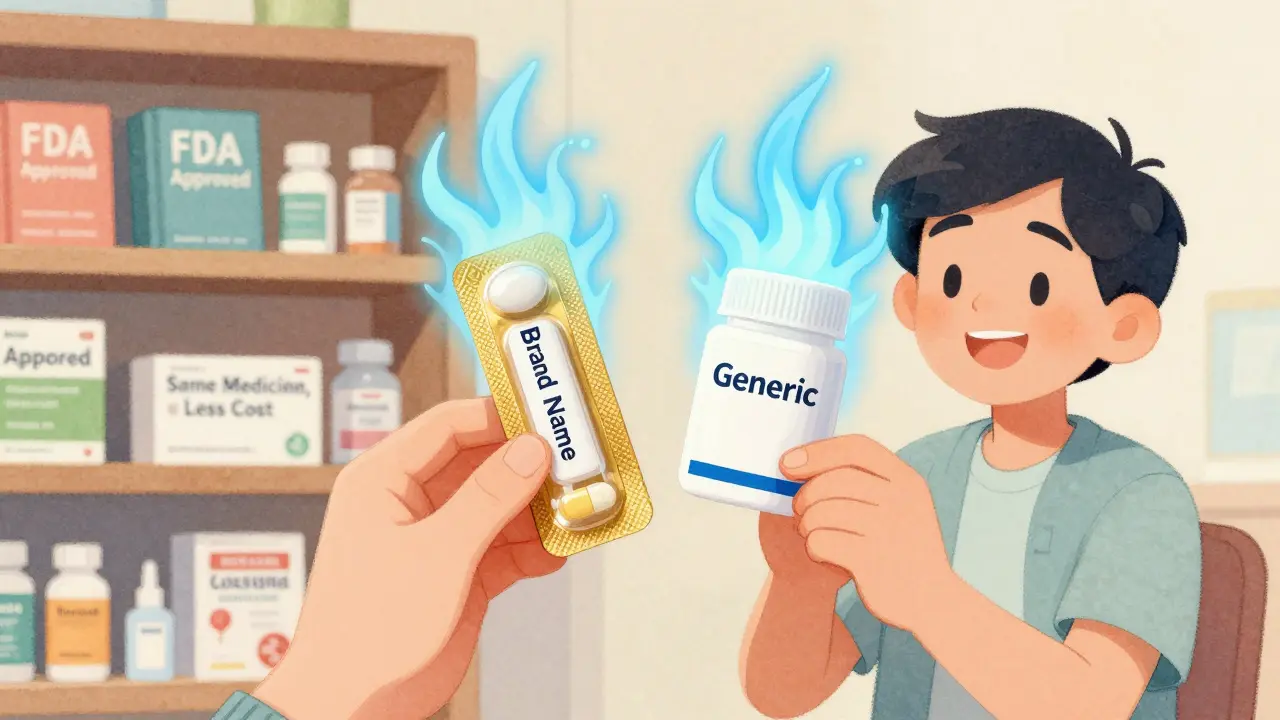
Most people don’t realize that the pill they pick up at the pharmacy for $3 might be exactly the same as the one that costs $150. The only difference? The name on the label. Generic drugs aren’t cheap knockoffs-they’re the real thing, approved by the FDA to work just like the brand-name version. But here’s the thing: not everyone feels that way. Some patients swear their brand-name medication works better. Others switch to generics without a second thought and save hundreds a month. So what’s actually going on?
They’re Not Just Similar-They’re the Same
Generic drugs contain the exact same active ingredient as their brand-name counterparts. That means if you’re taking lisinopril for high blood pressure, the generic version has the same molecule, the same dose, and the same way of working in your body. The FDA requires this. No exceptions. The agency doesn’t just approve generics based on paperwork-they test them. Every batch. Every factory. Every country of origin. And they have to prove they deliver the same amount of medicine into your bloodstream at the same speed as the brand. This is called bioequivalence. The FDA’s acceptable range? 80% to 125% of the brand’s absorption. Most generics fall within 3.5% variation, according to a major 2016 JAMA study of over 2,000 trials.Why the Huge Price Difference?
Brand-name drugs cost so much because the company had to pay for everything: research, clinical trials, FDA applications, marketing, and patent protection. The FDA estimates it takes about $2.6 billion to bring a new drug to market. That’s why a new heart medication might cost $300 a month. Once the patent expires, other companies can step in. They don’t need to repeat those expensive trials. They just need to prove their version works the same way. That cuts costs dramatically. On average, generics cost 80% to 85% less. GoodRx data from 2022 shows an average savings of 82.5%. For example, the generic version of Lipitor (atorvastatin) dropped from $130 a month to under $1 after generics hit the market. That’s not a trick. That’s capitalism working the way it should.What’s Different About Generics?
If they’re the same, why do generics look different? That’s because of trademark laws. A generic pill can’t look exactly like the brand-name version. So the shape, color, or markings change. That’s it. The active ingredient? Identical. But the inactive ingredients-fillers, dyes, preservatives-can vary. That’s where things get tricky for some people. If you’re allergic to a dye, a certain binder, or a preservative, you might react to one generic version but not another. That’s why it’s important to check the label or ask your pharmacist. And yes, if you switch between different generic manufacturers, you might notice a slight change in how you feel. Not because the medicine is weaker, but because your body is reacting to something new in the pill.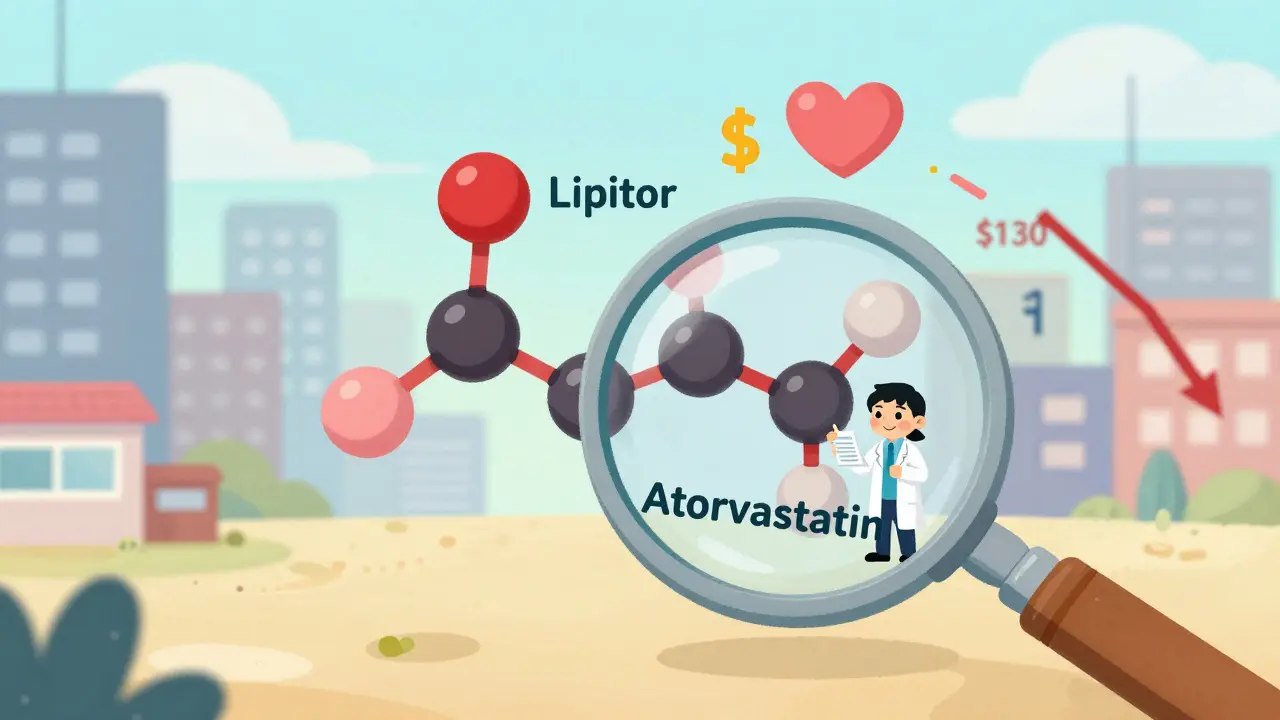
When Generics Can Be Risky
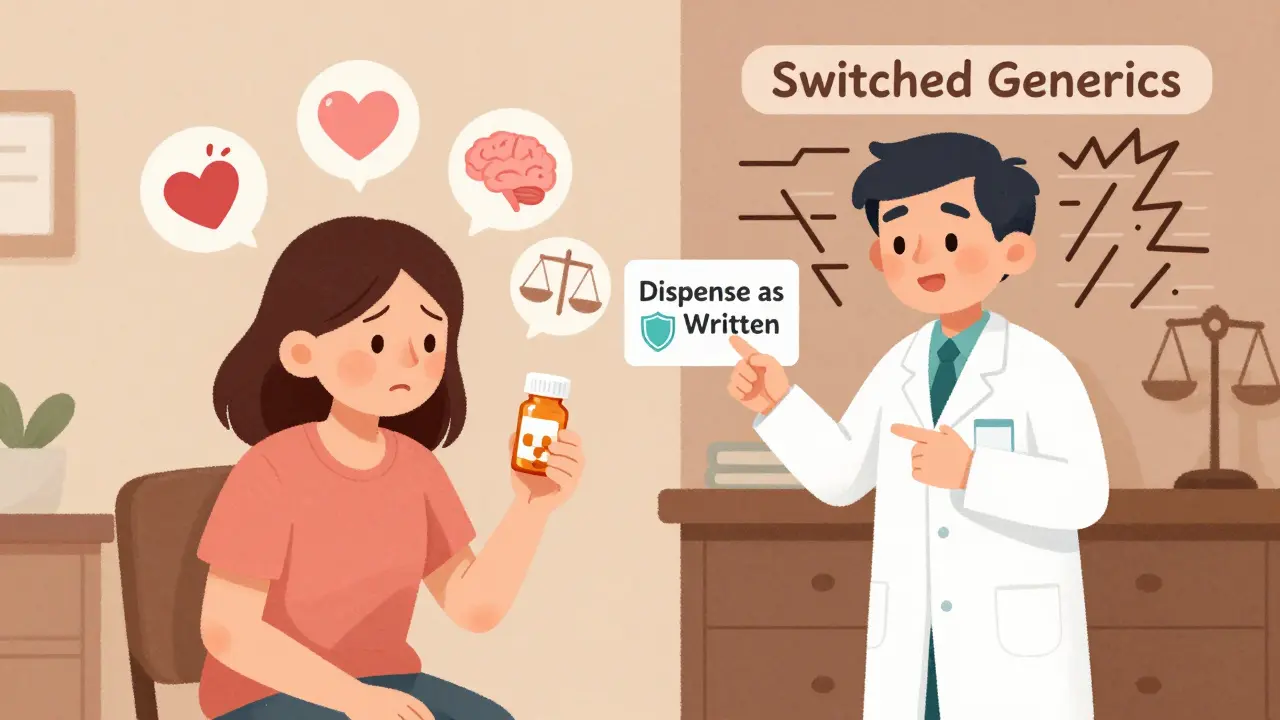
Not all drugs are created equal when it comes to substitution. There’s a group called narrow therapeutic index (NTI) drugs. These are medications where even a tiny change in blood levels can cause serious problems. Think warfarin (blood thinner), levothyroxine (thyroid hormone), and some seizure medicines like phenytoin or levetiracetam. For these, the FDA says generics are still approved and safe. But doctors and specialists often recommend sticking with one brand or one generic manufacturer. Why? Because switching between different generic versions-even if they’re all FDA-approved-can cause small fluctuations in drug levels. A 2017 study from the University of Cincinnati found that switching between generic versions of levetiracetam increased seizure-related hospitalizations by 32%. That’s not common, but it’s real. If you’re on one of these drugs, don’t assume all generics are interchangeable. Talk to your doctor. Ask if your prescription can be marked “dispense as written.”What Patients Are Saying
People’s experiences vary. On Reddit and Drugs.com, most users report no difference between brand and generic for common drugs like metformin, atorvastatin, or sertraline. One user on r/Pharmacy saved $450 a month switching from Humira to its biosimilar. But for thyroid patients, complaints are louder. A review of 250,000 patient reviews found that 13% of those taking levothyroxine reported symptoms like fatigue, weight gain, or heart palpitations after switching generics. That’s not a lot-but it’s enough to matter. The same pattern shows up with blood thinners and epilepsy meds. The FDA says these are rare, but they happen. And when they do, they’re scary. That’s why many endocrinologists and neurologists prefer patients stick with one version-brand or generic-and never switch.How to Make the Right Choice
Here’s what you can actually do:- Ask your pharmacist: Which generic manufacturer makes your pill? Write it down. If you feel different after a refill, check if the maker changed.
- Use GoodRx or your insurance’s formulary to compare prices. Sometimes the brand is cheaper than a specific generic due to coupons or rebates.
- If you’re on a narrow therapeutic index drug, ask your doctor if you can get a “dispense as written” note on your prescription.
- Don’t panic if your pill looks different. Check the name on the label. If it’s the same active ingredient, it’s the same medicine.
- Report any side effects after switching to your doctor and to the FDA’s MedWatch program.
Who Makes These Drugs?
Most generics in the U.S. come from overseas. India and China produce the majority of active ingredients. The FDA inspects these factories, but a 2023 GAO report found that 18% of foreign facilities had at least one inspection issue, compared to 8% in the U.S. That doesn’t mean they’re unsafe-it means they’re more likely to have paperwork or cleanliness problems. But here’s the truth: the FDA has rejected over 1,000 generic drug applications since 2017 for quality issues. So the system is watching. Major generic makers like Teva, Sandoz, and Mylan (now Viatris) produce billions of doses each year. They’re not fly-by-night operations. They’re multi-billion-dollar companies that depend on trust.The Bigger Picture
Generics aren’t just about saving money-they’re changing healthcare. From 2007 to 2016, they saved the U.S. system $1.67 trillion. Medicare saved $77 billion. Medicaid saved $38 billion. In 2023, 90% of all prescriptions filled in the U.S. were for generics. Yet they only make up 26% of total drug spending. That’s the power of competition. And it’s growing. Biosimilars-generics for complex biologic drugs like Humira-are now approved in the U.S. and saving patients thousands. The FDA’s new rules aim to cut approval times and improve oversight. By 2032, generics are projected to save another $1.7 trillion.Final Thought: Trust the Science, But Know Your Body
For most people, generics are safe, effective, and the smartest choice. There’s no reason to pay more unless you have a specific reason not to. But if you’re on a critical medication, if you’ve noticed a change in how you feel after a switch, or if you’re allergic to certain dyes-speak up. Your doctor and pharmacist are your allies. Don’t let a pill’s color or cost fool you. The active ingredient is what matters. And if you’re unsure, ask for the name of the manufacturer. Keep track. Stay informed. Your health isn’t a gamble. It’s your right to know exactly what you’re taking.Are generic drugs as effective as brand-name drugs?
Yes. The FDA requires generic drugs to have the same active ingredient, strength, dosage form, and route of administration as the brand-name version. They must also prove bioequivalence-meaning they deliver the same amount of medicine into your bloodstream at the same rate. A 2016 JAMA study of over 2,000 trials found generics vary by only 3.5% on average in absorption, well within the FDA’s acceptable range of 80%-125%.
Why do generic pills look different from brand-name ones?
Trademark laws prevent generic manufacturers from making their pills look identical to brand-name versions. So the color, shape, size, or markings may differ. But the active ingredient-and how it works in your body-is exactly the same. The differences are only in inactive ingredients like dyes or fillers, which don’t affect the medicine’s effectiveness.
Can switching between generic manufacturers cause problems?
For most medications, no. But for narrow therapeutic index (NTI) drugs-like warfarin, levothyroxine, or certain seizure medications-switching between different generic versions can cause small changes in blood levels. Studies show this can lead to increased risk of side effects or reduced effectiveness. If you’re on one of these drugs, ask your doctor to specify “dispense as written” on your prescription to avoid switches.
Are generic drugs made in lower-quality facilities?
No. Generic drug manufacturers must meet the same FDA standards as brand-name companies. All facilities-whether in the U.S., India, or China-are inspected under the same Good Manufacturing Practices (GMP). While a 2023 GAO report found more inspection issues at foreign facilities, that doesn’t mean the drugs are unsafe. The FDA rejects applications for quality concerns, and millions of people safely use generics every day.
How can I find out which company makes my generic drug?
Check the label on your prescription bottle-it lists the manufacturer. You can also ask your pharmacist. If you want to stick with the same one, ask your doctor to write “dispense as written” or request the brand name of the generic manufacturer. Tools like GoodRx also show which manufacturers supply your drug at different pharmacies.
Is it safe to switch from a brand-name drug to a generic?
For the vast majority of medications, yes. Over 90% of prescriptions in the U.S. are filled with generics, and studies show no difference in outcomes for drugs like blood pressure pills, cholesterol meds, and antidepressants. But if you’re on a narrow therapeutic index drug, talk to your doctor first. For most people, switching saves money without risk.
Why are some generic drugs more expensive than others?
When a patent expires, multiple companies can make the same generic. Initially, prices stay high. But as more manufacturers enter the market, competition drives prices down. Sometimes, a generic made by a smaller company may cost more because it has less market share. Use tools like GoodRx to compare prices across pharmacies-it’s common to find the same generic drug priced differently depending on the maker and location.
christian ebongue
December 27, 2025 AT 19:16Generic pills look different? Cool. So does my ex’s new haircut. Doesn’t mean she’s not still the same person who ghosted me. FDA says it’s the same? Fine. I’ll take the $1 pill over the $150 one any day. My bank account thanks you.
josue robert figueroa salazar
December 29, 2025 AT 13:11Generics are fine until you’re the one having seizures because some factory in India swapped a filler and now your brain’s on strike. Been there. Done that. Got the ER bill.
david jackson
December 29, 2025 AT 23:47Let me just say this-this whole generic vs brand debate isn’t just about chemistry, it’s about trust, about the human relationship we have with medicine. We don’t just swallow pills, we swallow narratives. The brand name is a promise, a legacy, a story built over decades of clinical trials and marketing and hope. And the generic? It’s the quiet cousin who shows up at Thanksgiving with a store-bought pie and expects everyone to pretend it’s homemade. But here’s the kicker-the pie *is* edible. The science backs it. The FDA verifies it. The JAMA study confirms it. So why do we still feel uneasy? Is it the color? The shape? Or is it that we’re scared to admit we’ve been overpaying for branding? And if we are… who’s really the con? The pharma company? Or us for believing the hype?
jesse chen
December 31, 2025 AT 06:28I’ve been on levothyroxine for 12 years, and I switched from brand to generic when my insurance forced it-and I swear, I felt like a zombie for three weeks. Then I switched back to the same generic manufacturer I started with, and boom-energy returned. I didn’t know manufacturers varied! Now I write down the name on the bottle like it’s a secret code. If you’re on thyroid meds, DO NOT just accept whatever’s cheapest. Ask for the maker. It matters.
Joanne Smith
December 31, 2025 AT 19:22Oh sweet merciful caffeine, someone finally said it: the pill’s color doesn’t change the chemistry. I used to panic every time my Levothyroxine looked different. Turned out I was just allergic to the dye in one batch. Now I Google the manufacturer before I pick it up. Also, ‘dispense as written’ is my new favorite phrase. Say it loud. Say it proud.
Prasanthi Kontemukkala
January 1, 2026 AT 19:47Thank you for writing this so clearly. I’m from India, and I’ve worked in generic drug manufacturing for over 15 years. Many people think we cut corners-but we don’t. We follow the same FDA rules, the same GMP standards. The difference? We’re not spending millions on ads. We’re just making medicine. If you’re worried about quality, check the FDA’s inspection reports. They’re public. The truth is, most of the world’s generics are made with care. We’re not villains-we’re the quiet heroes keeping healthcare affordable.
Alex Ragen
January 2, 2026 AT 20:46Ah, yes-the great neoliberal delusion: that bioequivalence equals therapeutic equivalence. You reduce human physiology to a pharmacokinetic curve, and then you celebrate the efficiency of capital! But what of the subtle, non-linear, phenomenological experience of the body? The placebo effect isn’t a bug-it’s a feature! And when you strip away the branding, the ritual, the symbolic weight of the pill-you’re not just saving money, you’re eroding the therapeutic alliance. And isn’t that… tragic?
Lori Anne Franklin
January 4, 2026 AT 16:45i just switched to generic sertraline and honestly? no diff. i was scared but my therapist said it’s fine. also i saved like $80 a month. my cat now gets extra treats. win win. also the pill is blue now? weird but cool.
Bryan Woods
January 4, 2026 AT 22:25Excellent breakdown. I appreciate the data-driven approach and the clear distinction between NTI drugs and standard medications. For the average patient, generics are not only safe-they’re the responsible choice. The real issue lies in inconsistent pharmacy substitution practices, not the drugs themselves. Pharmacies should be required to notify patients when the manufacturer changes. That’s the gap in the system.
Ryan Cheng
January 6, 2026 AT 02:13For anyone on blood thinners, thyroid meds, or seizure meds-listen to this: write down the manufacturer name every time you refill. Keep a little note in your phone. If you feel off after a refill, check if the maker changed. It’s not paranoia-it’s self-advocacy. And if your doctor won’t write ‘dispense as written,’ ask why. Your health isn’t a commodity. You deserve consistency. And if you’re lucky enough to live somewhere with good pharmacy access? Use it. Don’t just accept whatever’s handed to you. Ask. Track. Speak up. You’ve got this.