
Goldenseal and Metformin Interaction: Risks for Blood Sugar Control
 Jun, 20 2026
You might think adding a natural herb like Goldenseal is a safe way to boost your immune system or support digestion while managing your diabetes. After all, it’s sold in health food stores and labeled as “natural.” But if you are taking Metformin, the most common prescription drug for type 2 diabetes, mixing these two could quietly sabotage your blood sugar control. Recent clinical research has uncovered a specific pharmacokinetic interaction that reduces how much Metformin your body actually absorbs, creating a dangerous gap between what you take and what works.
The Hidden Clash Between Goldenseal and Metformin
For years, doctors assumed that herbal supplements were mostly harmless bystanders compared to prescription drugs. That assumption changed with rigorous studies led by researchers at Washington State University, including principal investigator Mary Paine, PhD. Their work, published in Clinical Pharmacology & Therapeutics and later expanded in Clinical and Translational Science in 2025, revealed that Goldenseal actively interferes with the intestinal absorption of Metformin.
This isn’t just a minor blip in the data. The study showed that when patients took Goldenseal alongside their usual Metformin dose, the amount of drug reaching their bloodstream dropped significantly. Specifically, the Area Under the Curve (AUC)-a measure of total drug exposure over time-decreased by about 20% at lower doses. Your maximum concentration (Cmax) of the drug fell by roughly 25%. In simple terms, your body is getting less of the medicine it needs to keep your glucose levels stable.
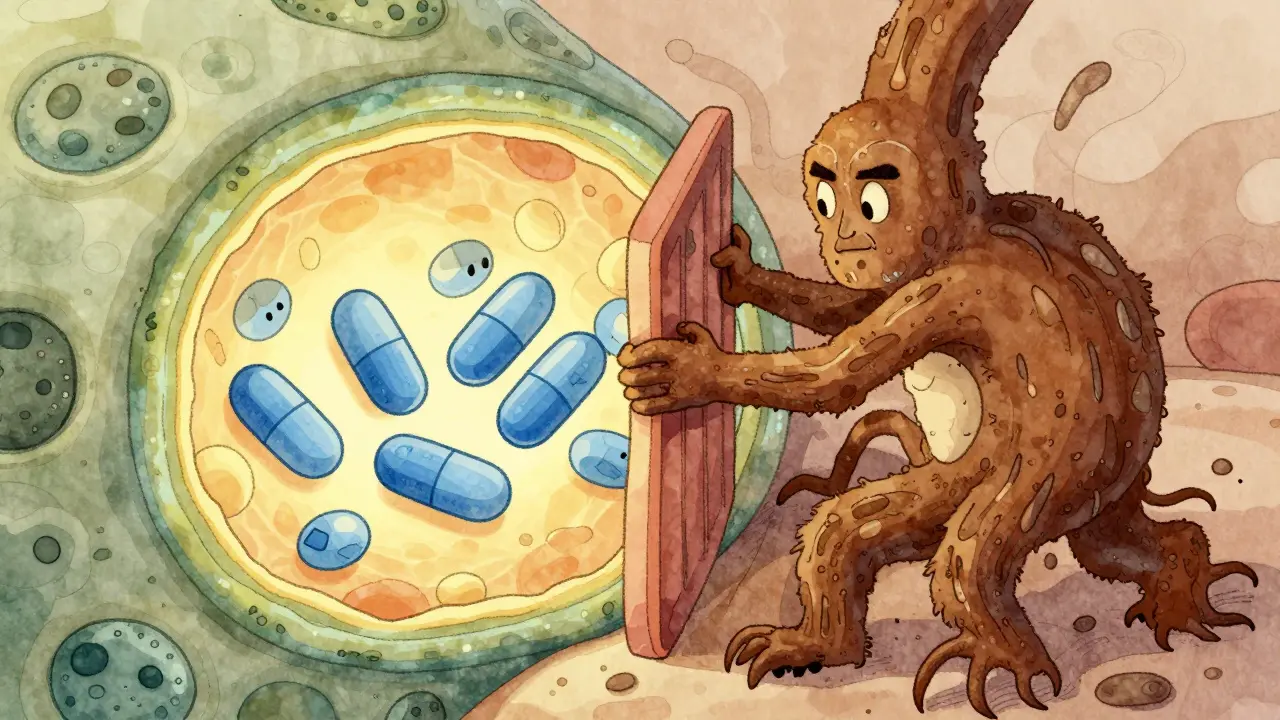
The mechanism behind this clash is not metabolic. Goldenseal does not change how your liver breaks down Metformin. Instead, it blocks the intestinal transporters, specifically Organic Cation Transporter 1 (OCT1), that help pull Metformin from your gut into your blood. This competitive inhibition means the herb and the drug are fighting for the same entry door, and often, the drug loses out.
| Metformin Daily Dose | Reduction in AUC (Total Exposure) | Reduction in Cmax (Peak Level) | Clinical Significance |
|---|---|---|---|
| Low (500-750 mg) | ~20% | ~25% | High Risk: Significant drop in efficacy |
| Moderate (1000-1500 mg) | ~14% | ~14% | Moderate Risk: Noticeable reduction |
| High (2000-2550 mg) | 0% (No significant change) | 0% (No significant change) | Low Risk: Saturable transport limits interaction |
Note how the risk decreases as the dose increases. At high therapeutic doses (2000-2550 mg), the interaction effectively disappears. This happens because the intestinal transporters become saturated anyway, so the presence of Goldenseal doesn’t add extra blockage. However, most people start on lower doses, which is exactly where this interaction poses the greatest threat to glycemic control.
The Berberine Paradox: Lowering Glucose While Blocking Medicine
Here is where things get confusing for patients and even some clinicians. Goldenseal contains a compound called Berberine, an alkaloid known for its potent glucose-lowering properties independent of insulin. Studies have shown that Berberine can reduce fasting glucose and Hemoglobin A1C (HbA1c) on its own. So, if Goldenseal lowers your Metformin levels, shouldn’t the Berberine just pick up the slack?
In theory, yes. In practice, it creates a volatile mix. The MSD Manual Professional Edition warns that while Goldenseal may decrease Metformin blood levels, the Berberine within it may simultaneously increase hypoglycemic effects. This dual action creates a “double-edged sword” scenario. You might experience unexpected swings in blood sugar rather than steady control. One day you might be hyperglycemic because the Metformin wasn’t absorbed; the next, you might feel shaky or dizzy because the Berberine kicked in too hard.
A meta-analysis of 27 clinical trials involving over 2,300 participants, published in Frontiers in Endocrinology in 2023, confirmed that Berberine significantly reduces HbA1c. However, these benefits were attenuated in patients older than 60 and after treatment durations exceeding 90 days. Relying on an unstandardized herbal source like Goldenseal to provide consistent Berberine dosing is risky because the alkaloid content varies wildly between batches and plant sources.
Why HbA1c Numbers Can Be Misleading
If you look at the raw data from the 2025 follow-up study, you’ll see something strange: despite the reduced Metformin absorption, the average HbA1c of participants actually dropped slightly, from 6.8% to 6.5%. Does this mean the interaction is harmless? Absolutely not.
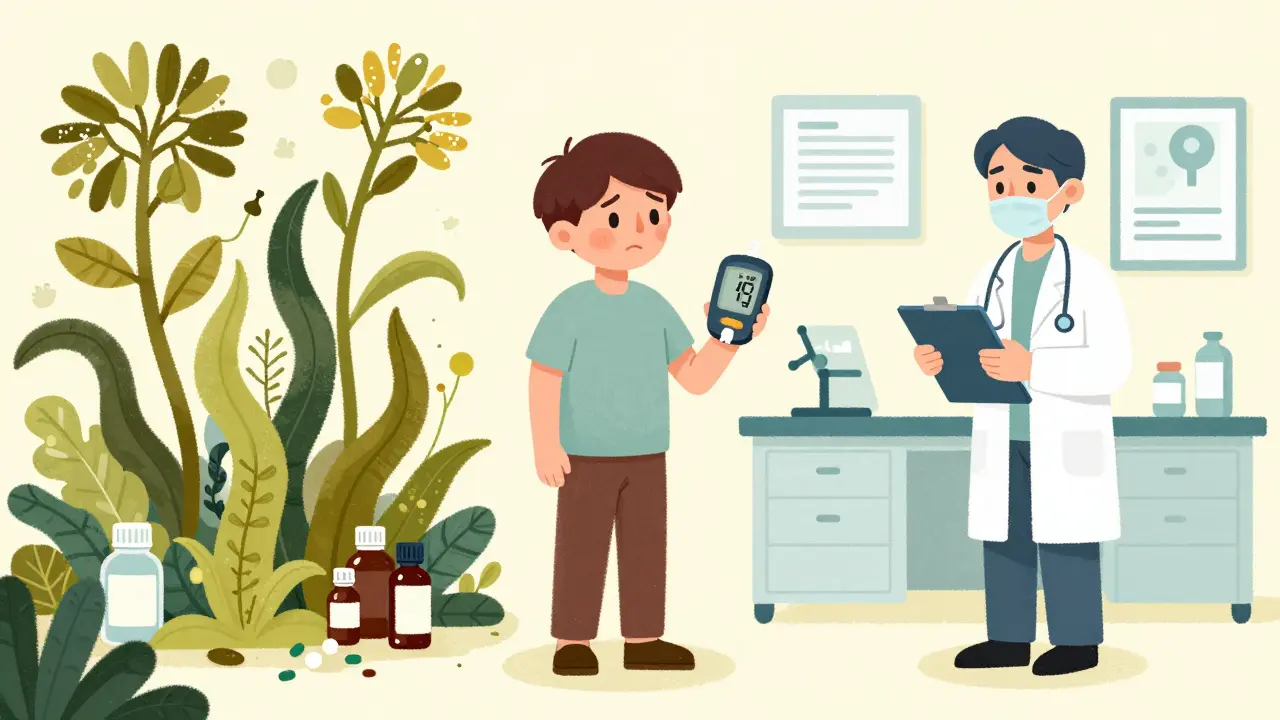
This slight improvement masks the underlying instability. The drop in HbA1c was likely driven by the additive effect of Berberine, not by optimal Metformin therapy. For a patient whose goal is tight, predictable control, this variability is dangerous. Unexplained deterioration in glycemic control is a red flag. If your doctor sees your numbers slipping, they might assume your diabetes is progressing and prescribe stronger medications or higher doses, unaware that an herbal supplement is blocking your current treatment.
The American Diabetes Association’s 2024 Standards of Medical Care emphasize routine assessment of all medications and supplements. Yet, many patients don’t disclose their use of botanicals, assuming they are private or irrelevant. This lack of transparency puts patients at risk of mismanaged care plans.
Who Is Most at Risk?
Not everyone faces the same level of danger from this interaction. The risk profile depends heavily on your dosage regimen and overall health status.
- Newly Diagnosed Patients: Those starting on low-dose Metformin (500 mg daily) are most vulnerable. A 25% drop in peak concentration can push them back into hyperglycemic ranges quickly.
- Elderly Patients: Older adults often have reduced renal clearance and altered transporter expression. While the study noted renal clearance remained unchanged, age-related physiological changes can amplify sensitivity to both hypoglycemia and hyperglycemia.
- Patients Seeking "Natural" Alternatives: Individuals who actively seek out Goldenseal for its perceived anti-inflammatory or antimicrobial benefits may inadvertently undermine their primary diabetes treatment without realizing the pharmacokinetic conflict.
Conversely, patients on maximum tolerated doses of Metformin (2000+ mg) appear protected from this specific absorption issue due to transporter saturation. However, they are not immune to other potential side effects of combining herbs and pharmaceuticals.
Practical Steps for Safe Management
If you are currently taking Metformin and considering Goldenseal, do not make any changes without consulting your healthcare provider. Here is a practical checklist to discuss with your doctor or pharmacist:
- Disclose All Supplements: Bring every bottle to your appointment. Include teas, tinctures, and capsules containing Goldenseal or Berberine.
- Monitor Blood Glucose More Frequently: If you choose to continue both under medical supervision, check your fasting and post-prandial glucose levels daily for two weeks to identify patterns of instability.
- Consider Timing Separation: While no definitive safe interval has been established, some clinicians suggest separating the administration of the herb and the drug by at least 4-6 hours to minimize direct competition at the intestinal wall. Note that this is a heuristic, not a guaranteed solution, as transporter inhibition can last longer than the physical presence of the compounds.
- Evaluate Standardized Berberine: If your goal is the glucose-lowering benefit of Berberine, ask your doctor about standardized Berberine hydrochloride supplements. These offer consistent dosing and avoid the conservation issues associated with wild-harvested Goldenseal, though the interaction risk with Metformin absorption remains similar and must still be managed.
The Conservation and Quality Concern
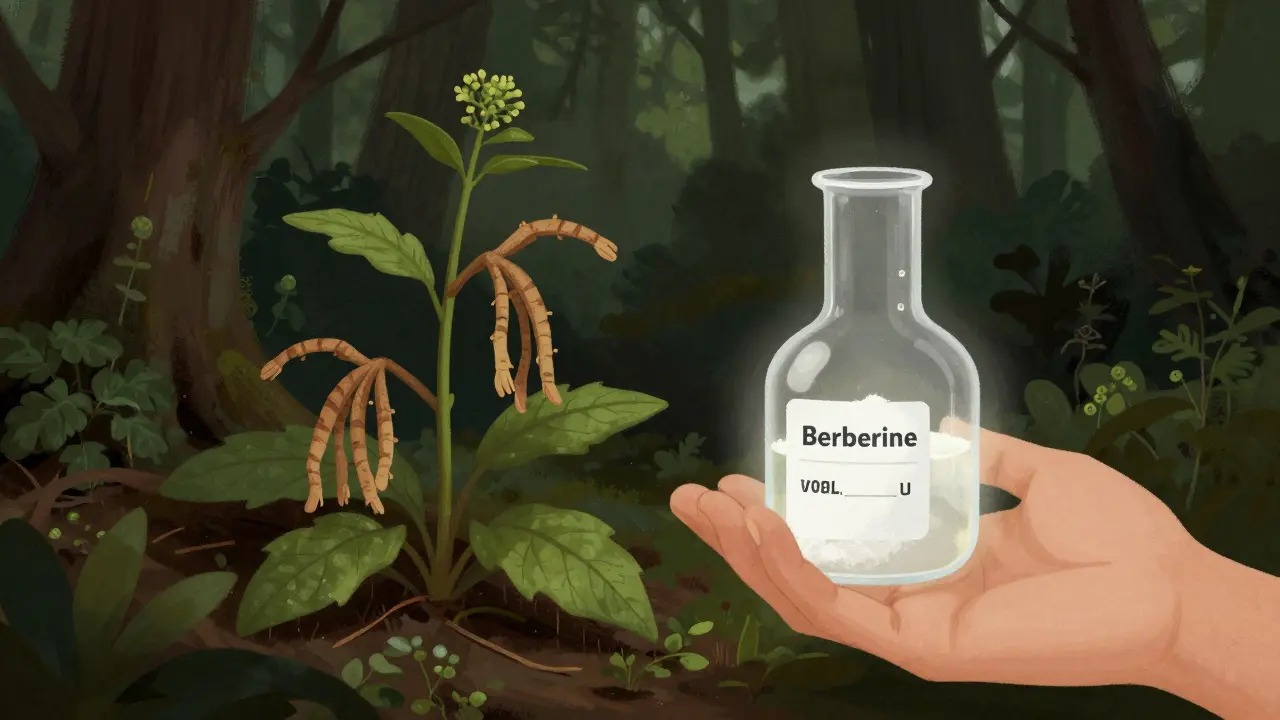
Beyond the medical risks, there is an environmental one. Goldenseal (Hydrastis canadensis) is an endangered species in its native habitat. Overharvesting has depleted wild populations, leading to inconsistent quality and potency in commercial products. When you buy Goldenseal, you rarely know the exact concentration of Berberine or other alkaloids you are ingesting. This variability makes it impossible to predict the magnitude of the interaction with Metformin from one month to the next.
The European Medicines Agency issued a caution in 2023 regarding berberine-containing products, acknowledging their glucose-lowering properties but warning of interactions. They recommended individualized patient management rather than blanket bans, highlighting the need for professional oversight.
Conclusion: Prioritize Predictability
Type 2 diabetes management relies on consistency. Metformin works best when it reaches your bloodstream in reliable amounts. Introducing Goldenseal introduces a variable that disrupts this reliability. While the herb itself has biological activity, its interference with Metformin absorption creates a net negative for most patients seeking stable glycemic control. The safest path is to treat herbal supplements with the same scrutiny as prescription drugs. Talk to your doctor, monitor your numbers closely, and never assume that “natural” means “compatible.”
Can I take Goldenseal and Metformin at different times of the day?
Separating the doses by 4 to 6 hours may reduce the direct competition for intestinal transporters, but it does not eliminate the risk entirely. The inhibition of OCT1 transporters can persist. Always consult your healthcare provider before attempting to manage this interaction through timing adjustments, as individual metabolism varies significantly.
Does Goldenseal cause low blood sugar (hypoglycemia)?
Yes, indirectly. Goldenseal contains Berberine, which has independent glucose-lowering effects. When combined with Metformin, even if the Metformin absorption is reduced, the additive effect of Berberine can potentially lead to hypoglycemia, especially if your diet or exercise routine changes. Symptoms include shakiness, sweating, and confusion.
Is Berberine safer than Goldenseal for diabetics?
Standardized Berberine supplements offer more consistent dosing than Goldenseal root extracts, which vary in potency. However, Berberine still interacts with Metformin absorption mechanisms. It is not inherently "safer" regarding the drug interaction, but it allows for better monitoring and avoids the ecological damage caused by harvesting wild Goldenseal.
What are the signs that my Metformin isn't working properly?
Signs include consistently elevated fasting blood glucose levels, increased thirst and urination, fatigue, and rising HbA1c readings during routine lab tests. If you recently started an herbal supplement and notice these symptoms, inform your doctor immediately, as it could indicate a drug-herb interaction reducing medication efficacy.
Why does high-dose Metformin seem unaffected by Goldenseal?
At high doses (2000-2550 mg), the intestinal transporters responsible for absorbing Metformin become saturated. This means they are already working at maximum capacity regardless of whether Goldenseal is present. Therefore, the competitive inhibition caused by Goldenseal has little additional impact on absorption at these higher therapeutic levels.
Tumble Farm
June 20, 2026 AT 19:24This is exactly why pharmacists exist. The OCT1 transporter saturation detail is critical and often overlooked by patients who just want a 'natural' fix. If you are on low-dose metformin, that 25% drop in Cmax is clinically significant for glycemic control. Don't gamble with your A1c.
Tucker Brown
June 20, 2026 AT 20:51They want you to think it's about the herb but it's really about controlling what goes into your body. Big Pharma doesn't like competition from plants that actually work. They call it an interaction so you keep buying their pills instead of growing your own medicine. Wake up.
Frank Polster
June 20, 2026 AT 21:49Sure Tucker, because nothing says 'conspiracy' like peer-reviewed studies in Clinical Pharmacology & Therapeutics. But seriously, this article is gold. I had no idea Goldenseal blocked the actual entry door for Metformin. I thought they just fought in the liver or something. Time to toss my herbal stash.
Hema Khimasia
June 21, 2026 AT 18:51The pharmacokinetic interplay here is fascinating yet perilous. The inhibition of Organic Cation Transporter 1 (OCT1) represents a competitive blockade at the intestinal epithelium. It is not merely a metabolic clash but a fundamental transport failure. One must consider the bioavailability metrics carefully. The reduction in Area Under the Curve suggests a systemic deficit in drug exposure. This is not anecdotal; it is mechanistic. We must respect the physiological limits of absorption pathways. The berberine paradox further complicates the therapeutic index. It creates a volatile hemodynamic state rather than stability. Patients should understand that 'natural' does not equate to inert. The variability in alkaloid content introduces stochastic risk factors. We need standardized protocols for such interactions.
Amy Bogdahn
June 22, 2026 AT 18:50You people are idiots if you mix these without asking a doctor. Stop playing chemist with your diabetes. It's dangerous and lazy. Read the label next time.
Koushiki Behera
June 23, 2026 AT 00:32I appreciate the detailed breakdown 🌿✨ It’s wild how nature can be both healer and disruptor depending on the context. The part about HbA1c being misleading despite dropping is so important! People see good numbers and feel safe, but the volatility underneath is scary 😬 Thanks for sharing this knowledge!
krystal Live
June 23, 2026 AT 08:14OMG this is huge!! i was taking goldenseal for my immune system and didnt even think about my metformin. im gonna check my blood sugar more often now. thanks for the heads up everyone!! stay healthy guys 💪
Hafiz Omeiza
June 24, 2026 AT 02:44It is imperative that individuals adhere strictly to medical advice regarding supplement usage. The assumption that herbal remedies are benign is a profound error in judgment. The data presented clearly indicates a significant reduction in therapeutic efficacy when Goldenseal is co-administered with Metformin at lower doses. One must exercise due diligence. Ignorance of pharmacokinetics is not a valid defense for poor health outcomes. The scientific community has provided ample evidence. To disregard such findings is irresponsible. Consult your physician immediately. Do not rely on internet forums for medical guidance. Your health is paramount.
Sonam Norbu
June 26, 2026 AT 00:05Why are we relying on foreign herbs anyway? Stick to American made meds that work. This stuff is just another reason why our healthcare system is failing. People need to take responsibility and follow the rules set by our doctors.
Dez Johnston
June 27, 2026 AT 01:46I hear you all saying this is risky, and honestly, it makes me anxious just reading it. I’ve been on low-dose metformin for years and never thought to ask about my tea blends. It’s comforting to know there’s a clear explanation for why my levels might have been fluctuating. I’m going to print this out and bring it to my endocrinologist next week. Thanks for looking out for each other here.
Ashley Jacelyn
June 27, 2026 AT 21:22This is such a valuable resource. I’m sharing this with my sister who loves her supplements. It’s easy to forget that ‘natural’ still means ‘active ingredient.’ The point about separating doses by 4-6 hours is a great tip to discuss with a provider, even if it’s not a guaranteed fix. Let’s keep looking out for one another’s health.
KESHAV KUMAR
June 29, 2026 AT 19:40Haha, look at us trying to outsmart biology with root extracts. Spoiler alert: biology wins every time. If you’re on high dose metformin, you’re lucky the transporters are already maxed out. Otherwise, you’re just rolling the dice on whether your gut absorbs your meds or your herbal tea. Smart money stays away from the mix.
Alyssa Smith
June 30, 2026 AT 12:57I love how this post highlights the importance of transparency with healthcare providers. It’s empowering to know exactly how these interactions work so we can advocate for ourselves. The conservation angle is also a beautiful reminder to care for our planet while caring for ourselves. Let’s make informed choices together and support sustainable practices where possible. Knowledge is power, and sharing it helps everyone thrive! 🌟