
Hemochromatosis: Understanding Iron Overload and Phlebotomy Treatment
 Jul, 7 2026
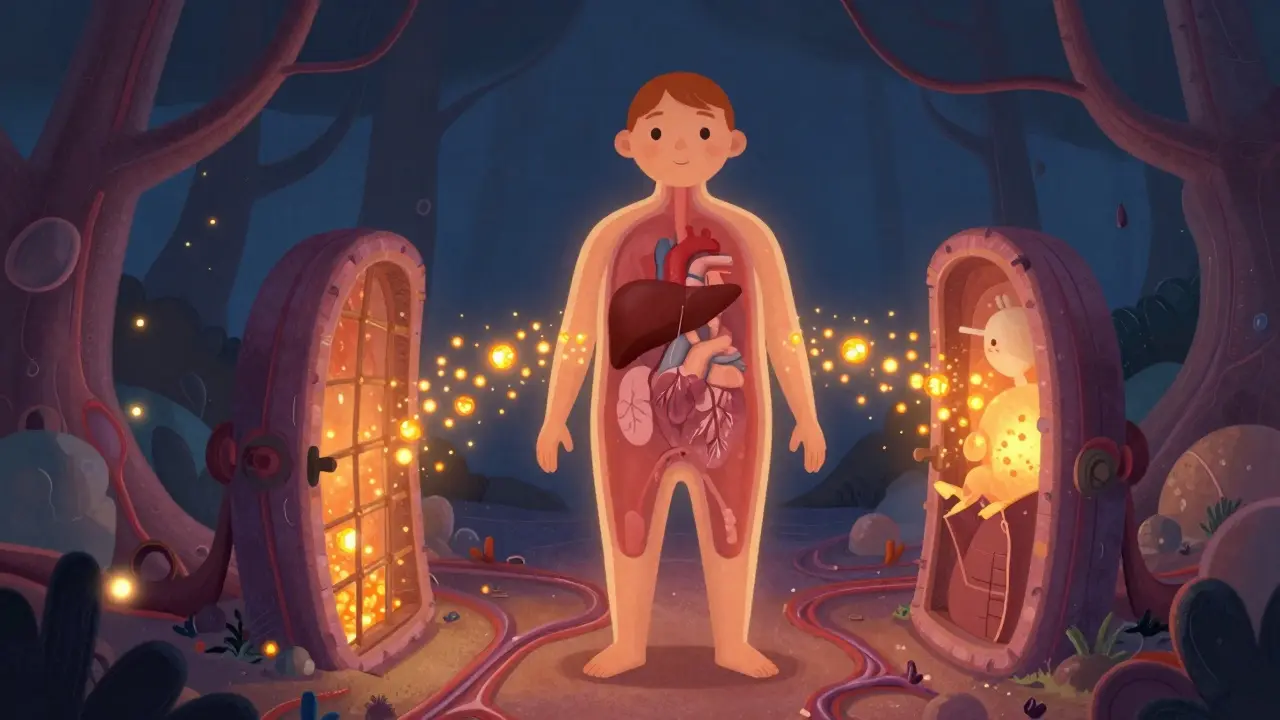
You feel tired all the time. Your joints ache for no clear reason. Maybe your skin has taken on a strange, bronze tint. You might think it’s just stress or getting older. But if you have hemochromatosis, also known as iron overload disorder, your body is quietly storing too much iron. This genetic condition forces your organs to absorb dietary iron at dangerous rates. Without treatment, that excess iron builds up like rust in a machine, damaging your liver, heart, and pancreas.
The good news? Hemochromatosis is one of the most treatable genetic disorders we know. The primary treatment, therapeutic phlebotomy, which involves removing small amounts of blood regularly, is simple, cheap, and highly effective. It stops the damage in its tracks. In this guide, we’ll break down what hemochromatosis actually is, how doctors diagnose it, and exactly how phlebotomy works to save your liver and overall health.
What Is Hemochromatosis?
Hemochromatosis is a genetic condition where your body absorbs too much iron from the food you eat. Normally, your body is very careful about iron. It only takes what it needs. But in people with hemochromatosis, a specific hormone called hepcidin doesn’t work right. Hepcidin acts like a gatekeeper. When it fails, the gates stay open, and iron floods into your bloodstream.
This isn't about eating too many steak dinners. It's about your genes. Most cases are caused by mutations in the HFE gene. Specifically, the C282Y mutation accounts for 80-95% of clinically diagnosed cases. If you inherit two copies of this mutation (one from each parent), you are homozygous for C282Y, and you are at high risk for developing the disease.
Here is the reality of the numbers:
- Prevalence: About 1 in 200 Caucasian individuals in the United States carries the genetic markers.
- High-Risk Regions: It is particularly common in people of Northern European descent, especially those from Ireland, Scotland, and Wales. In some parts of these regions, 1 in 83 people carries the mutation.
- Gender Gap: Men are affected 5 to 10 times more often than women before menopause. Why? Because menstruation and pregnancy naturally help women shed excess iron. Men don't have that safety valve.
Without treatment, your body stores can exceed 5 grams of iron. A healthy person only holds about 0.8 to 1.2 grams. That extra iron deposits itself in vital organs, causing irreversible scarring and dysfunction over decades.
Early Signs vs. Late Symptoms
Hemochromatosis is often called "the silent thief" because early symptoms are vague. Many patients see three to five different doctors over five to seven years before getting the right diagnosis. Doctors often mistake the fatigue for depression or the joint pain for arthritis.
Watch out for these red flags:
- Profound Fatigue: Reported by 74% of patients. It’s not just being tired; it’s an exhaustion that sleep doesn’t fix.
- Joint Pain: Affects 65% of patients. It usually hits the knuckles (metacarpophalangeal joints) and knees first.
- Sexual Dysfunction: Loss of libido or erectile dysfunction occurs in 54% of men due to iron damage in the pituitary gland.
- Skin Changes: As the disease progresses, 45% of patients develop a bronze or slate-gray skin tone. This happens because iron deposits in the skin alongside increased melanin production.
- Abdominal Pain: Caused by liver enlargement, reported by 38% of advanced cases.
If you ignore these signs, the iron continues to accumulate. Eventually, it damages the pancreas, leading to diabetes (seen in 25% of untreated patients), or the heart, causing arrhythmias and heart failure.
How Doctors Diagnose Iron Overload
Diagnosing hemochromatosis requires a combination of blood tests and genetic analysis. You cannot rely on symptoms alone. Here is the standard diagnostic path:
- Transferrin Saturation Test: This is the earliest marker. Transferrin is the protein that carries iron in your blood. In hemochromatosis, more than 45% of transferrin binding sites are filled with iron. Normal levels are usually below 45%. This test is cheap and quick.
- Serum Ferritin Level: Ferritin reflects your total iron storage. For men, a level above 300 ng/mL is suspicious. For women, it’s above 200 ng/mL. Levels above 1,000 ng/mL are critical and indicate a high risk of cirrhosis.
- Genetic Testing: If your blood tests are abnormal, doctors will test for HFE mutations. Finding C282Y homozygosity confirms the diagnosis in most cases.
- MRI with R2* Technique: Previously, a liver biopsy was the gold standard. Now, MRI is preferred. It safely measures the exact amount of iron in your liver without needles or surgery. Biopsies carry a small risk of complications (0.1-0.3%), so non-invasive MRI is the modern choice.
It is crucial to distinguish hereditary hemochromatosis from secondary iron overload. Secondary overload happens due to frequent blood transfusions (like in sickle cell anemia) or certain liver diseases. In secondary overload, transferrin saturation is often normal, whereas in hereditary hemochromatosis, it is high.
Phlebotomy: The Gold Standard Treatment
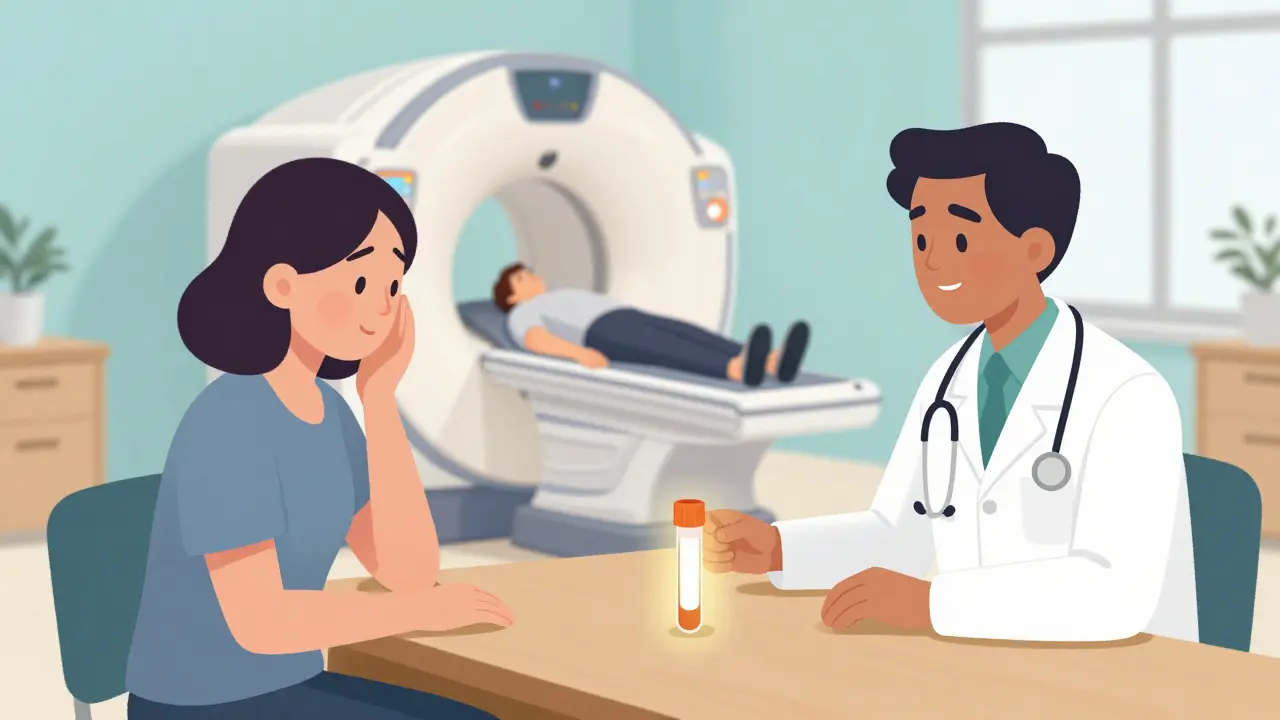
Once diagnosed, the treatment plan is straightforward: remove the excess iron. The most effective method is therapeutic phlebotomy. Think of it like donating blood, but with a medical goal. Each pint of blood contains about 200-250 mg of iron. By removing blood, you force your body to use its stored iron to make new red blood cells, slowly depleting the dangerous reserves.
The treatment happens in two phases:
Phase 1: Induction (Depletion)
In the beginning, you need to lower your iron levels quickly. Doctors typically schedule phlebotomy sessions once a week. Each session removes 450-500 mL of whole blood. This phase lasts until your serum ferritin drops to between 50-100 ng/mL. For someone with severe overload, this might take 30-50 sessions over 12-18 months. One patient shared their experience: "My ferritin was 2,850 ng/mL. I needed 62 phlebotomies over 15 months to reach target levels." It sounds intense, but it saves your life.
Phase 2: Maintenance
Once your iron levels are safe, you move to maintenance. You still need to bleed occasionally because your body keeps absorbing too much iron. Most patients require 4-6 phlebotomy sessions per year (every 3-6 months). The goal is to keep ferritin between 50-100 ng/mL forever. Skipping this phase allows iron to build up again, risking organ damage.
Why Phlebotomy Beats Other Treatments
You might wonder if there are pills to flush out the iron. There are drugs called iron chelators (like deferoxamine or deferasirox), but they are rarely used for hemochromatosis. Here is why phlebotomy wins:
| Feature | Therapeutic Phlebotomy | Iron Chelation Therapy |
|---|---|---|
| Cost | $0 - $50 per session (often covered by insurance) | $25,000 - $35,000 annually |
| Side Effects | Mild fatigue, bruising at needle site | Kidney damage, hearing loss, vision issues |
| Effectiveness | Gold standard; prevents 99% of cirrhosis if started early | Reserved for patients who cannot tolerate blood loss |
| Frequency | Weekly initially, then quarterly/biannually | Daily injections or oral medication |
Chelators are expensive and come with serious side effects. They are only used if you have severe anemia or heart failure that makes losing blood dangerous. For the vast majority of hemochromatosis patients, phlebotomy is safer, cheaper, and more effective.

Living With Hemochromatosis: Diet and Lifestyle
Treatment isn't just about phlebotomy. What you eat matters. Since your body absorbs too much iron, you need to limit sources of heme iron (the type found in meat).
- Avoid Red Meat: Limit beef, lamb, and pork. Chicken and fish are better options.
- No Vitamin C Supplements: Vitamin C increases iron absorption. Don’t take supplements unless prescribed. Getting vitamin C from food is fine, but avoid taking it with meals.
- Limit Alcohol: Alcohol damages the liver. Since your liver is already under stress from iron, drinking accelerates scarring. Many doctors recommend complete abstinence.
- Embrace Tea and Coffee: Tannins in tea and coffee block iron absorption. Having a cup with meals can help reduce the amount of iron your gut takes in.
- Raw Eggs: Avoid raw eggs. Egg whites contain avidin, which binds to biotin, but more importantly, raw egg whites can interfere with iron metabolism in complex ways. Stick to cooked eggs.
Exercise is also key. Physical activity helps regulate insulin sensitivity, protecting against diabetes, which is a common complication of hemochromatosis.
The Importance of Early Diagnosis
The biggest risk with hemochromatosis is waiting too long. Dr. Paul Adams, a leading researcher, notes that early treatment before ferritin exceeds 1,000 ng/mL can prevent 99% of cirrhosis and liver cancer complications. Once cirrhosis sets in, the damage is permanent, and survival rates drop significantly.
If you have a family history of hemochromatosis, get tested. Genetic testing costs have dropped from $1,200 in 2000 to around $150-$300 today. Cascade testing-checking all first-degree relatives of a diagnosed person-is highly effective. The Hemochromatosis Foundation reports that 70% of diagnosed patients are found through family screening.
Don't let vague symptoms fool you. If you have unexplained fatigue, joint pain, or liver enzyme elevations, ask your doctor for a transferrin saturation test. It’s a simple blood draw that could change your life.
Is hemochromatosis fatal if left untreated?
Yes, untreated hemochromatosis can be fatal. Excess iron causes cirrhosis (scarring of the liver), heart failure, and diabetes. These conditions significantly reduce life expectancy. However, with early diagnosis and regular phlebotomy, patients can live a normal lifespan.
Can I donate blood if I have hemochromatosis?
Generally, no. Blood banks do not accept blood from patients undergoing therapeutic phlebotomy for hemochromatosis because the blood is considered a medical waste product rather than a donation for transfusion. However, some specialized centers may allow it under strict protocols, but this is rare. You must follow your doctor's prescription for phlebotomy frequency, which may differ from donor eligibility criteria.
How long does the induction phase of phlebotomy last?
The induction phase typically lasts 12 to 18 months. During this time, you will have blood removed once a week. The duration depends on your initial iron levels. Patients with very high ferritin (>1,000 ng/mL) may need longer. The phase ends when your serum ferritin reaches 50-100 ng/mL.
Does diet cure hemochromatosis?
No, diet alone cannot cure hemochromatosis. While limiting iron-rich foods and avoiding alcohol helps slow accumulation, it is not enough to remove the massive iron stores already present in your organs. Phlebotomy is required to deplete these stores. Diet is a supportive measure, not a replacement for medical treatment.
Are there new treatments coming for hemochromatosis?
Researchers are investigating hepcidin mimetics, such as PTG-300. These drugs aim to restore the body's natural iron-regulating hormone. Phase 2 trials showed promising results in reducing transferrin saturation. However, phlebotomy remains the current gold standard. These new therapies are likely years away from widespread availability.