
How to Speak Up About Medication Side Effects During Treatment
 Nov, 19 2025
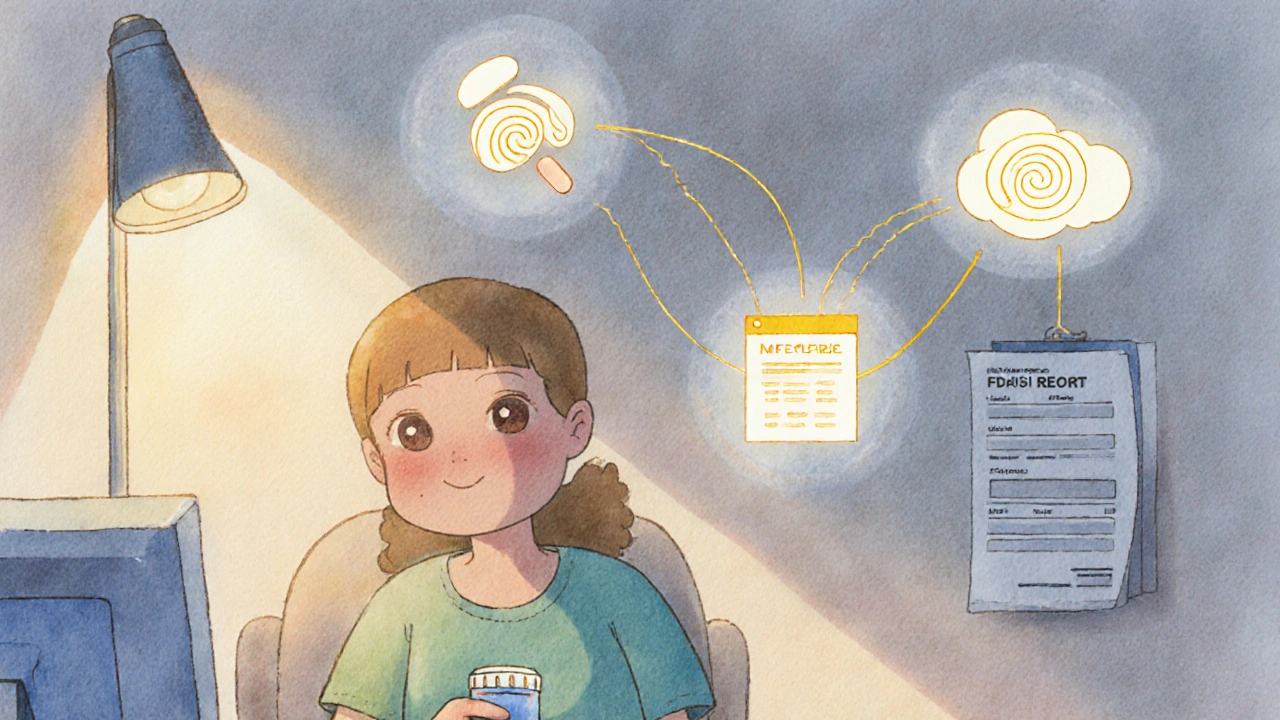
When you start a new medication, you’re told what to expect: nausea, dizziness, dry mouth. But what if the side effect you’re feeling isn’t on the list? What if it’s worse than expected? Or worse yet - what if your doctor brushes it off as "normal"? You’re not alone. Millions of people experience unexpected or severe side effects from medications every year, and most never report them. That’s not just frustrating - it’s dangerous.
Why Reporting Side Effects Matters More Than You Think
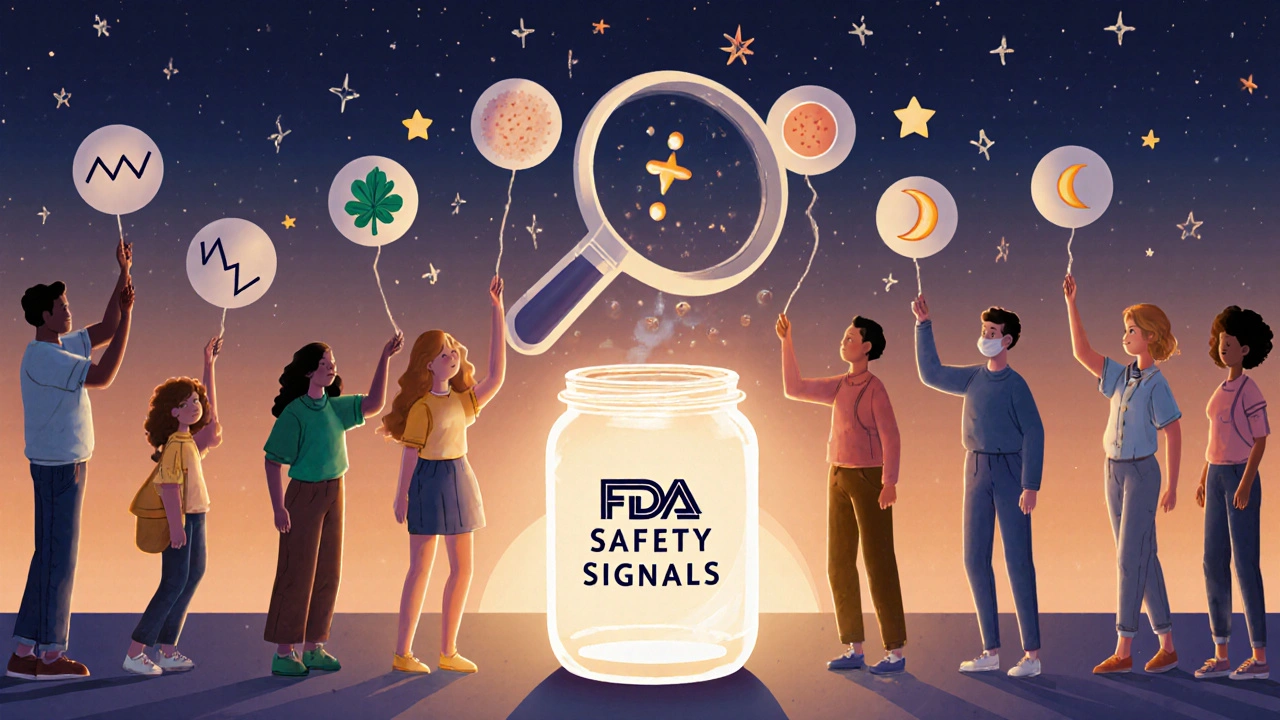
The FDA gets over 2 million reports of medication side effects each year. Most of these come from doctors and pharmacists. But only about 15% come directly from patients. That means 85% of the real-world experiences with drugs are going unrecorded. And that’s a problem.Clinical trials test drugs on a few thousand people. Real life? Millions. That’s where the hidden dangers show up - rare reactions, interactions with other meds, side effects that only appear after months of use. The 2022 report of a strange metallic taste after taking Paxlovid? That started with a few patients speaking up. Without those reports, the FDA might have missed a pattern that affects thousands.
It’s not just about catching rare risks. Reporting side effects helps doctors understand what’s truly common. If 100 people report the same fatigue from a blood pressure pill, that’s not just "normal" - it’s data. And that data can lead to better dosing, alternative prescriptions, or even changes in how the drug is labeled.
What Counts as a Side Effect Worth Reporting?
You don’t need to be a doctor to know if something’s wrong. The FDA defines a serious side effect as one that:- Causes hospitalization
- Is life-threatening
- Leads to permanent disability
- Results in birth defects
- Requires medical intervention to prevent harm
But you should also report side effects that aren’t listed in the patient leaflet - even if they seem mild. A persistent headache, sudden mood changes, unexplained rashes, or unusual fatigue can all be clues. If it’s new, unexpected, and keeps happening, it’s worth reporting.
And here’s the key: you don’t need proof it’s the drug’s fault. The FDA says clearly - if you suspect the medication might be involved, report it. You’re not diagnosing. You’re sharing your experience. That’s enough to start a safety signal.
Who Should You Tell First? Your Doctor or the FDA?
Always tell your doctor or pharmacist first. They can adjust your dose, switch your med, or rule out other causes. But don’t assume they’ll report it to the FDA. Studies show only 1-10% of serious side effects are reported by healthcare providers. Many don’t know how. Others think it’s too time-consuming. Some assume someone else will do it.That’s why you need to take responsibility - for your own safety and for others. If you mention a side effect and your provider doesn’t mention reporting it, ask: "Should this go to the FDA?" If they don’t know, that’s your cue to do it yourself.
How to Report Side Effects to the FDA - Step by Step
Reporting to the FDA is free, anonymous, and takes less than 15 minutes. Here’s how:- Go to www.fda.gov/medwatch and click "Report a Problem"
- Choose "Consumer/Patient" as the reporter type
- Fill out Form 3500 - this is the patient version
You’ll need:
- The name of the medication (brand or generic)
- When you started taking it
- When the side effect started
- A clear description of what happened
- Any other meds or supplements you’re taking
- Your contact info (optional - you can report anonymously)
Don’t worry about medical jargon. Write it like you’re telling a friend: "I started feeling dizzy every time I stood up after three days on the new pill." That’s perfect.
Prefer to talk? Call 1-800-FDA-1088. That number is now required on every prescription label since January 2022. A live person will help you fill out the report over the phone.
For vaccines, use VAERS at vaers.hhs.gov. The process is the same.
Why So Few People Report - And How to Overcome It
A 2022 survey found 68% of patients didn’t know they could report side effects directly to the FDA. Another 42% thought their doctor would handle it. And 58% feared being dismissed.Here’s the truth: your voice matters. You’re not being a bother. You’re helping science. Every report adds to a growing database that protects future patients.
Still hesitant? Try this:
- Write down your symptoms before your next appointment
- Bring the FDA MedWatch website on your phone and say, "I’d like to report this - can you help me fill it out?"
- If your provider says, "It’s common," ask, "But is it documented?"
At Mayo Clinic, after they added automated alerts in electronic records, reporting by doctors jumped 47%. That proves systems can change - but only if patients push for them.
What Happens After You Report?
You won’t get a follow-up call. The FDA doesn’t have the staff to respond to every report. But your report goes into a national database. Analysts look for patterns. If 20 people report the same rare reaction to a drug, it triggers a safety review. That could lead to:- A warning on the drug label
- A change in dosage recommendations
- A new black box warning
- Even a drug recall - like what happened with the diabetes drug Avandia after patient reports revealed heart risks
One nurse’s report of blood clots after the Johnson & Johnson COVID vaccine led to a safety alert within 15 days. That saved lives.
What If You’re Not Sure It’s the Drug?
That’s exactly why you should report it. Causality is hard to prove - even for doctors. The FDA doesn’t need certainty. They need signals. If you’re unsure, report anyway. If it’s a fluke, it gets buried in the data. If it’s part of a pattern, it becomes a warning.Dr. Janet Woodcock, former head of the FDA’s drug division, said it best: "Spontaneous reports are our early warning system for signals we couldn’t possibly see in clinical trials."
What You Can Do Right Now
Don’t wait for the next side effect. Take action today:- Check the label of any prescription you’re taking. Look for the 1-800-FDA-1088 number.
- Save the MedWatch website on your phone.
- Write down the names of all your meds - including vitamins and supplements.
- Next time you feel something off, don’t assume it’s "just part of it." Ask: "Should this be reported?"
Your experience isn’t just yours. It’s part of a system that keeps millions of people safe. Speaking up isn’t optional - it’s essential.
Can I report a side effect even if I’m not sure it’s from the medication?
Yes. The FDA encourages reports even when you’re unsure. You don’t need to prove the medication caused the side effect. If you suspect a connection, report it. The FDA looks for patterns across many reports - one report might seem insignificant, but 50 similar ones can trigger a safety review.
Do I need to give my real name to report a side effect?
No. You can report anonymously. The FDA does not require your name, address, or medical record number. However, if you provide contact information, they may reach out if they need more details. Your information is kept confidential and is not shared with the drug manufacturer unless you specifically allow it.
What if my doctor says the side effect is "normal"?
Doctors often say side effects are "normal" to reassure patients, but that doesn’t mean they’re harmless or unimportant. If a side effect affects your daily life - fatigue, confusion, nausea, mood swings - it’s worth reporting. Ask your doctor: "Is this listed in the official safety data?" If they don’t know, report it yourself. Your experience helps update that data.
How long does it take for a reported side effect to lead to a drug warning?
There’s no set timeline. Some warnings come within weeks if many similar reports appear. Others take years. The FDA analyzes reports in real time, but they need enough data to confirm a pattern. For example, the link between the Johnson & Johnson COVID vaccine and rare blood clots was identified in under a month because hundreds of similar cases were reported. But for slower-developing issues, like liver damage from long-term use, it can take years.
Can I report side effects from over-the-counter (OTC) drugs or supplements?
Yes. You can report side effects from any medication, including OTC painkillers, herbal supplements, vitamins, and even cosmetics. The FDA’s MedWatch system covers all products regulated by the agency. Supplements are especially underreported - many people don’t realize they can and should report reactions to them.
Are there other ways to report besides the FDA?
Yes. You can also report to the drug manufacturer using the contact info on the packaging. Manufacturers are legally required to forward serious reports to the FDA. You can also use the VAERS system for vaccines. But reporting directly to the FDA ensures your report enters the national safety database immediately, without delays or filtering.
Liam Strachan
November 20, 2025 AT 02:36Had a weird metallic taste after Paxlovid too. Told my doc, they shrugged. Posted it on a forum and found 3 others with the same thing. Glad the article mentioned this - feels good to know I wasn’t just imagining it.
Gerald Cheruiyot
November 20, 2025 AT 07:39Medications are basically black boxes with a label that says "probably fine"
People report side effects not because they want to complain - because the system is designed to ignore them until it’s too late
Michael Fessler
November 20, 2025 AT 10:22Pharmacovigilance is critically under-resourced at the agency level - spontaneous reporting is the only real-world signal we have outside of RCTs. The underreporting bias is massive, especially for polypharmacy cases. Most patients don’t realize that even OTCs and supplements are included in MedWatch. Also, the 1-800 number is now mandatory on all Rx labels since 2022 per the Drug Supply Chain Security Act amendments. If your provider doesn’t know that, they’re out of date.
daniel lopez
November 21, 2025 AT 19:26THEY DON’T WANT YOU TO REPORT. That’s why they make it sound so easy. It’s a trap. The FDA and Big Pharma are in bed together. They want you to think you’re helping, but your report just gets buried in a database so they can say "no pattern detected" while people keep dying. Remember Vioxx? They knew. They always know. You’re just a data point in their profit model.
Nosipho Mbambo
November 22, 2025 AT 16:32I’ve been on 7 different meds in the last 3 years… and I’ve never reported a single side effect. Why? Because I’m tired. I’m not a scientist. I’m not a doctor. I just want to feel okay. Also, I don’t trust the system. And I’m not going to spend 15 minutes filling out a form for a government agency that doesn’t even reply.
Katie Magnus
November 23, 2025 AT 07:13Ugh. Another ‘you’re not special, just take it’ article. Like my fatigue isn’t real because it’s ‘common.’ I had to quit my job because of this pill. And now you want me to report it? To whom? The same people who told me it was ‘just anxiety’?
King Over
November 24, 2025 AT 02:40My cousin took that blood pressure med and started zoning out during conversations. Didn’t say anything for 6 months. Then one day he just stopped driving. Turns out it was the med. He didn’t report it. He just lived with it. Don’t be like him.
Aruna Urban Planner
November 25, 2025 AT 03:15Reporting side effects is not just about safety - it’s about dignity. When you’re told your suffering is "normal," you internalize that you’re the problem. But your experience is data. And data doesn’t lie. I’ve seen patients in India wait months for care, then get a drug that makes them worse - and no one listens. Reporting is the only way to say: I am here. I matter. This is not okay.
Nicole Ziegler
November 25, 2025 AT 18:01Just reported my weird leg cramps after that new statin 🙌 so glad they made it easy to do anonymously. I didn’t even know I could report supplements! I’ve been taking turmeric for years - now I’m scared to look at the label 😅
Bharat Alasandi
November 27, 2025 AT 09:04Bro, if you’re on meds and feel off - don’t wait. Write it down. Send it. Even if it’s just a sentence. That’s how patterns start. I’m a pharmacist in Delhi and I see this all the time - people think their side effects are "just for them." They’re not. Your voice is the first domino.
Kristi Bennardo
November 29, 2025 AT 02:53It’s irresponsible to suggest that patients should bypass their physicians to report to the FDA. This undermines the physician-patient relationship. If patients are being dismissed, the solution is not to circumvent the system - it’s to hold providers accountable. This article is dangerously simplistic.
Johannah Lavin
November 29, 2025 AT 04:10I’m a nurse. I’ve seen patients cry because their doctor told them their depression from a med was "just stress." I’ve filed reports for them. I’ve held their hands while they called 1-800-FDA-1088. You’re not alone. Your story matters. Even if no one says thank you - someone out there will be saved because you spoke up.
Ravinder Singh
November 30, 2025 AT 16:48My aunt took a supplement for arthritis. Got liver enzymes through the roof. Doctor said "maybe it’s the wine." We reported it. Three months later, the FDA issued a warning on that exact brand. No one else knew. We did. That’s power. Don’t underestimate your own experience - it’s not anecdotal. It’s evidence.
Russ Bergeman
December 2, 2025 AT 04:02Wait. You’re telling me I should report a headache? A dry mouth? A slight dizziness? That’s ridiculous. You’re normalizing paranoia. Not every weird feeling is a drug reaction. You’re creating a culture of hypochondria. Stop it.
Dana Oralkhan
December 4, 2025 AT 01:11I’m a single mom on 4 meds. I didn’t know I could report side effects anonymously. I thought I had to give my insurance info. Thank you for this. I’m going to report the brain fog from my antidepressant tonight. I’ve been too scared to say anything. But now I know - it’s not my fault. It’s not me. It’s the system. And I’m changing it.