
Immunodeficiency Red Flags: When Recurrent Infections Demand a Workup
 Jul, 19 2026
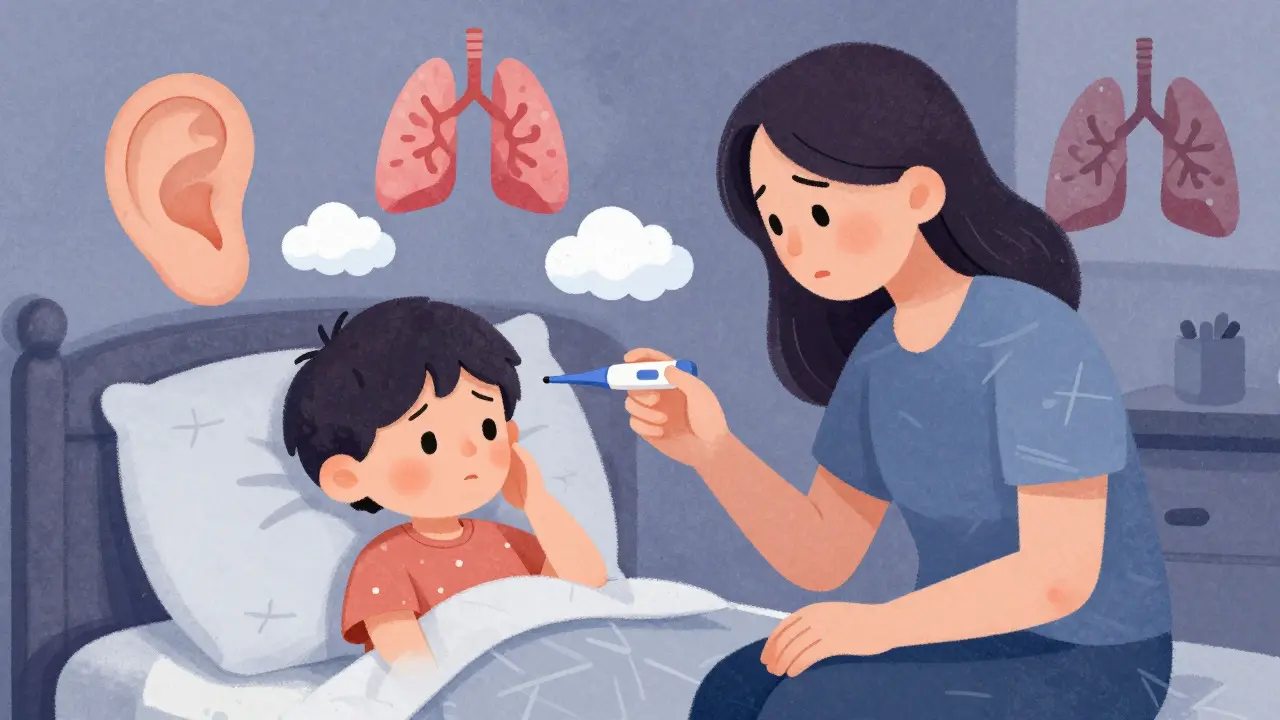
Getting sick is normal. We all catch colds, deal with earaches, or suffer through seasonal flus. But when illness becomes a constant companion rather than an occasional visitor, it’s time to look closer. For many patients, the journey to diagnosing an immune deficiency a condition where the body's defense system fails to protect against pathogens effectively starts with a simple question: "Why am I always sick?" The answer often lies in recognizing specific patterns that distinguish typical childhood or adult infections from pathological signs of a compromised immune system.
The stakes are high. Early diagnosis can prevent irreversible organ damage, reduce mortality, and drastically improve quality of life. Studies show that timely diagnosis of severe combined immunodeficiency (SCID) before 3.5 months of age results in a 94% survival rate, compared to just 69% when diagnosed later. Yet, diagnostic delays remain common, averaging over two years in some cohorts. This guide breaks down the critical red flags, the necessary medical workup, and how to navigate the path to accurate diagnosis.
Recognizing the Critical Red Flags
Distinguishing between a "cold-prone" individual and someone with a genuine immune defect requires looking at frequency, severity, and response to treatment. Experts have established clear thresholds that should trigger further investigation. These criteria help clinicians separate normal variation from potential pathology.
If you or your child experiences any of the following, it warrants a conversation with an allergist or immunologist:
- Ear Infections: Four or more new ear infections within a single year.
- Sinus Issues: Two or more serious sinus infections requiring hospitalization or IV antibiotics within 12 months.
- Lung Infections: Two or more cases of pneumonia in one year.
- Antibiotic Resistance: Needing two or more months of antibiotics with little to no effect on the infection.
- Deep Tissue Infections: Recurrent deep skin abscesses or organ abscesses.
- Fungal Persistence: Persistent oral thrush (candidiasis) after age 1, or chronic skin fungal infections.
- Growth Failure: Failure to gain weight or grow normally (failure to thrive), particularly if growth parameters drop below the 5th percentile for age.
- IV Antibiotics: A requirement for intravenous antibiotics to clear infections that usually respond to oral medication.
- Family History: A known family history of primary immunodeficiency (PI).
It is crucial to note that physical examination findings can also provide early clues. Absent lymph nodes or tonsils are present in approximately 78% of SCID cases. Skin lesions, such as telangiectasias (spider veins), appear in 95% of ataxia-telangiectasia cases. Persistent oral thrush in children older than one has a specificity of 89% for antibody deficiencies. These physical signs, combined with infection history, form the basis for initiating a diagnostic workup.
The Diagnostic Workup: Step-by-Step
When red flags are identified, the diagnostic process follows a tiered approach. It begins with basic screening tests and progresses to specialized functional assessments. Understanding this workflow helps patients prepare for appointments and understand the purpose of each test.
Initial Screening Tests
The first line of investigation typically includes a complete blood count (CBC) with a manual differential. This test evaluates the quantity and types of white blood cells circulating in the blood. Key metrics include:
- Lymphocyte Count: Counts below 1,500 cells/μL in children over 1 year (or below 3,000 cells/μL in infants under 1 year) may indicate T-cell deficiency.
- Neutrophil Count: Low neutrophil counts can suggest phagocytic disorders like chronic granulomatous disease.
Quantitative immunoglobulin measurements are equally critical. Doctors measure levels of IgG, IgA, and IgM. However, interpreting these values requires age-adjusted reference ranges because immune systems mature over time. For instance, IgG levels average 243 mg/dL at 3 months, rise to 558 mg/dL at 6 months, and reach adult levels (700-1,600 mg/dL) by age 5. A value that looks "normal" for an adult might be dangerously low for a toddler, or vice versa.
Advanced Cellular and Functional Testing
If initial screens are abnormal or clinical suspicion remains high despite normal screens, more advanced testing is required. Flow cytometry for lymphocyte subsets (CD3, CD4, CD8, CD19, CD56) provides a detailed map of the immune cells. For example, CD3+ T-cell counts below 1,000 cells/μL in children over 2 years are considered abnormal.
The gold standard for confirming antibody deficiencies is functional antibody assessment through pre- and post-vaccination titers. This involves measuring the immune system's response to specific vaccines:
- Protein Antigens: Testing responses to tetanus and diphtheria vaccines at 4-6 weeks post-vaccination. Protective titers are defined as ≥0.1 IU/mL for tetanus.
- Polysaccharide Antigens: Testing responses to pneumococcal serotypes at 4-8 weeks post-vaccination. Protective levels are ≥1.3 μg/mL.
This functional testing is vital because some patients have normal immunoglobulin levels but fail to produce antibodies against new threats-a hallmark of Common Variable Immunodeficiency (CVID). Diagnosing CVID specifically requires IgG levels below 400 mg/dL plus reduced IgA and/or IgM, coupled with this impaired vaccine response.
| Test Type | What It Measures | Key Indicators of Deficiency | Timing/Notes |
|---|---|---|---|
| CBC with Differential | White blood cell counts | Low lymphocytes (<1,500 cells/μL in >1yr) | Initial screen |
| Quantitative Immunoglobulins | IgG, IgA, IgM levels | Levels below age-adjusted norms | Avoid testing during acute infection |
| Flow Cytometry | T-cell, B-cell, NK-cell subsets | Absent or low CD3+, CD19+ cells | Specialized lab required |
| Vaccine Titers | Functional antibody response | No rise in titers post-vaccination | Wait 4-8 weeks post-vaccine |

Ruling Out Mimics: Why Context Matters
Not every case of recurrent infection is caused by a primary immune defect. Expert consensus emphasizes ruling out anatomical and environmental factors first. Anatomical defects account for 43% of recurrent infection cases in children. For example, cystic fibrosis represents 12% of these cases, while chronic sinusitis due to structural abnormalities comprises 31%. Inhaled foreign bodies are present in 18% of children with recurrent pneumonia.
Secondary causes of hypogammaglobulinemia are also significant. Up to 30% of patients initially diagnosed with CVID actually have secondary causes, including autoimmune disorders (14%), malignancies (9%), or medication effects (7%). Therefore, a thorough history regarding drug use (such as rituximab or methotrexate) and screening for underlying cancers or autoimmune diseases is essential before labeling a patient with a primary immunodeficiency.
Navigating the Diagnosis: Practical Tips for Patients
For patients and parents, the diagnostic journey can be overwhelming. Here are practical steps to ensure efficient evaluation:
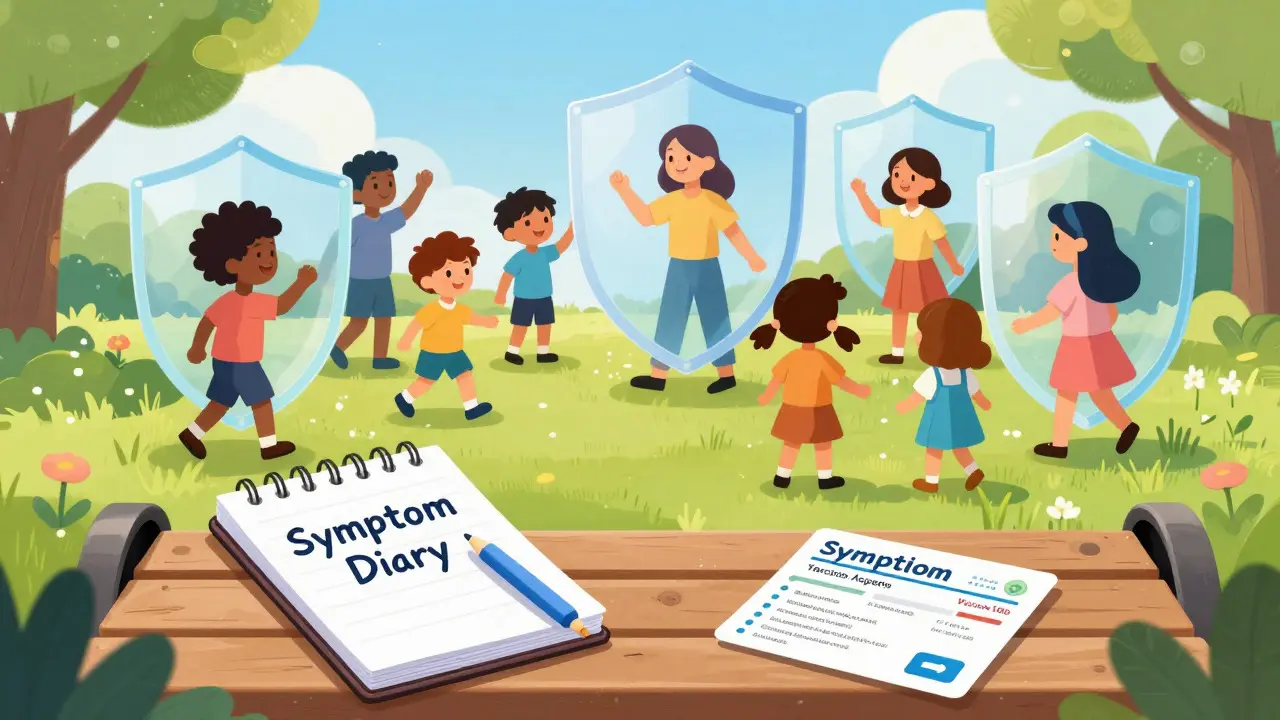
- Keep a Symptom Diary: Document dates, types of infections, antibiotics used, and outcomes. This data helps doctors identify patterns quickly.
- Prepare Vaccine Records: Bring up-to-date vaccination records. Doctors need to know exactly when vaccines were administered to schedule titer tests correctly.
- Ask About Genetic Testing: Next-generation sequencing panels covering hundreds of immune-related genes can identify causative mutations in 35% of suspected PID cases, compared to 18% with traditional methods. This is increasingly becoming a first-line tool in complex cases.
- Seek Specialist Care: If your primary care provider is unsure, ask for a referral to an allergist-immunologist. Specialized centers often have faster access to flow cytometry and genetic panels.
Be aware of common pitfalls. Transient hypogammaglobulinemia of infancy occurs in 2-5% of infants and can mimic CVID. Misinterpreting this temporary dip in immunity can lead to unnecessary long-term treatments. Similarly, ensuring that vaccine challenge testing occurs at least 4 weeks after live vaccines and 8 weeks after inactivated vaccines prevents false-positive results.
Future Directions and Hope
The landscape of immunodeficiency diagnosis is evolving rapidly. Newborn screening for SCID is now mandatory in 38 US states, expanding early detection significantly. The NIH’s Inborn Errors of Immunity Cohort Study aims to develop AI-driven diagnostic algorithms that could predict specific PIDs from routine lab parameters with 92% accuracy. While access remains uneven globally, with 78% of low- and middle-income countries lacking basic immunoglobulin testing, advancements in point-of-care solutions offer hope for broader accessibility in the coming years.
How many infections per year is too many?
Typical preschool children experience 6-12 respiratory infections annually. However, four or more ear infections, two or more sinus infections requiring strong antibiotics, or two pneumonias within 12 months are considered red flags that warrant medical evaluation for potential immunodeficiency.
What is the difference between primary and secondary immunodeficiency?
Primary immunodeficiencies (PIDs) are genetic disorders present from birth, affecting about 1 in 1,200 individuals. Secondary immunodeficiencies are acquired later in life due to other conditions like HIV, cancer, autoimmune diseases, or medications that suppress the immune system.
Can adults develop primary immunodeficiency?
Yes. While many PIDs are diagnosed in childhood, some conditions like Common Variable Immunodeficiency (CVID) often present in adulthood. Symptoms may start subtly and worsen over time, leading to frequent sinus, lung, or gastrointestinal infections.
Why are vaccine titers important in diagnosis?
Vaccine titers measure the functional ability of the immune system to respond to threats. Some patients have normal immunoglobulin levels but cannot produce specific antibodies against new antigens. Testing responses to vaccines like tetanus or pneumococcus confirms whether the immune system is functionally competent.
What should I do if my doctor dismisses my concerns?
If you meet the red flag criteria (e.g., multiple pneumonias, failure to thrive, persistent thrush) and feel dismissed, seek a second opinion from an allergist-immunologist. Bring your symptom diary and vaccination records. Specialists are trained to recognize subtle patterns that general practitioners might miss.
Ed Ostrego
July 19, 2026 AT 16:27Hey everyone, this is seriously eye-opening stuff! I always thought getting sick every two weeks was just part of the job description for parents, but reading about those specific red flags makes me want to go back and check my kid's records immediately. It’s wild how easy it is to brush off recurrent ear infections as 'just being a kid' when there could be something deeper going on. We need more awareness around these thresholds because early detection literally saves lives, especially with SCID stats like that. Let’s keep sharing this info so we can catch these issues before they become irreversible. You guys are doing great work spreading the word!
Patrick Meyer
July 20, 2026 AT 14:17typical clickbait health anxiety fodder. most people who read this will just google their symptoms and convince themselves they have scid because they had a cold last tuesday. the medical establishment loves to pathologize normal human variation to sell more blood tests and specialist referrals. its absurd to think that four ear infections in a year automatically means your immune system is broken. kids get sick. deal with it or stop whining online.
Andrew Donovan
July 21, 2026 AT 16:25While Patrick’s cynicism is noted, let us not dismiss the nuance here. The distinction between 'cold-prone' and pathological deficiency is precisely what this guide elucidates with admirable clarity. Consider the physiological burden of chronic inflammation; it is not merely an inconvenience but a systemic stressor that can alter developmental trajectories. The mention of absent lymph nodes in SCID cases is particularly poignant-a silent sentinel overlooked by many general practitioners. We must advocate for a holistic view where symptom diaries are treated as clinical data, not anecdotal noise. The integration of genetic sequencing panels is a beacon of hope, transforming diagnostic odysseys from years of uncertainty into precise molecular identifications. Let us embrace this knowledge with both scientific rigor and compassionate urgency.
Ambarish Pal
July 22, 2026 AT 01:41Oh, spare me the dramatic flair, Andrew. You talk about 'beacons of hope' like you’re narrating a nature documentary, but meanwhile, half the world doesn’t even have access to basic IgG testing. This article reads like a luxury problem solution for people who can afford allergists and next-gen sequencing. Meanwhile, the average person is stuck waiting months for appointments while their kid is drowning in antibiotics. And don’t get me started on the 'symptom diary' advice-like tracking every sneeze is going to magically unlock a cure. It’s all very performative medicine. Real change isn’t coming from AI algorithms; it’s coming from tearing down the profit-driven healthcare model that treats immune deficiencies as niche curiosities rather than urgent public health crises.
Prashant Shishodia
July 22, 2026 AT 05:08Listen up. Stop complaining and start acting. If you see the signs, go to the doctor. Keep a record. Get the tests. It is simple. Do not wait until it is too late. Your child needs you to be smart now. Move fast.
Autumn LW
July 22, 2026 AT 09:02The sheer laziness of modern parenting is astounding. People fail to recognize failure to thrive because they refuse to monitor growth charts properly. It is not the doctor’s fault if you bring in a malnourished, chronically infected child after ignoring obvious physical signs like persistent thrush. Education is key, yet most parents treat vaccination records as optional paperwork rather than critical diagnostic tools. Assert yourself. Demand the flow cytometry. Do not accept vague reassurances from primary care providers who lack specialized training. Competence requires vigilance, and unfortunately, vigilance is in short supply.
Scott Colter
July 24, 2026 AT 08:39It is interesting to ponder the philosophical implications of our biological fragility. Are we defined by our resilience or by the gaps in our defenses? The body is a temple, yes, but sometimes the foundation is cracked from the start. Recognizing these cracks is not an admission of defeat but an acknowledgment of reality. We must walk the path of diagnosis with humility, understanding that science offers maps, but the journey remains deeply personal. Let us support one another in this exploration of self and immunity.
Paul Lyons
July 26, 2026 AT 03:29This is why American healthcare is a disaster! We spend billions on fancy genetic panels while basic immunoglobulin testing is out of reach for millions. Meanwhile, other countries have mandatory newborn screening for SCID and we are still debating coverage. It’s a national embarrassment. Our system prioritizes profit over prevention, leaving families to navigate a bureaucratic nightmare alone. We need universal access to these diagnostics NOW, not another decade of studies and committees. Fix the system or admit we don’t care about our own citizens.
Deva Vidya
July 28, 2026 AT 03:04I completely agree with the need for better access, but let’s also focus on what we can control right now. The point about ruling out mimics is crucial-so many people jump to conclusions without checking for anatomical issues or secondary causes like medication effects. It’s empowering to know that keeping a symptom diary and bringing vaccine records can make such a huge difference in getting accurate answers. Let’s encourage each other to be proactive advocates for our health. Small steps lead to big changes, and community support makes the journey less lonely. We’ve got this!
ANINDA GHOSH
July 28, 2026 AT 13:47In the intricate tapestry of human biology, the immune system serves as both guardian and gatekeeper. Its failures are not merely medical anomalies but profound disruptions to our existential equilibrium. The cultural stigma surrounding chronic illness often silences those who suffer, making open discourse vital. As we delve into the specifics of CVID and SCID, we must remember that behind every statistic is a human story of struggle and resilience. May we approach this topic with the gravity it deserves, honoring the complexity of life itself :)