
Managing Medicare Part D Donut Hole Costs: Strategies and the 2025 Changes
 Aug, 30 2026
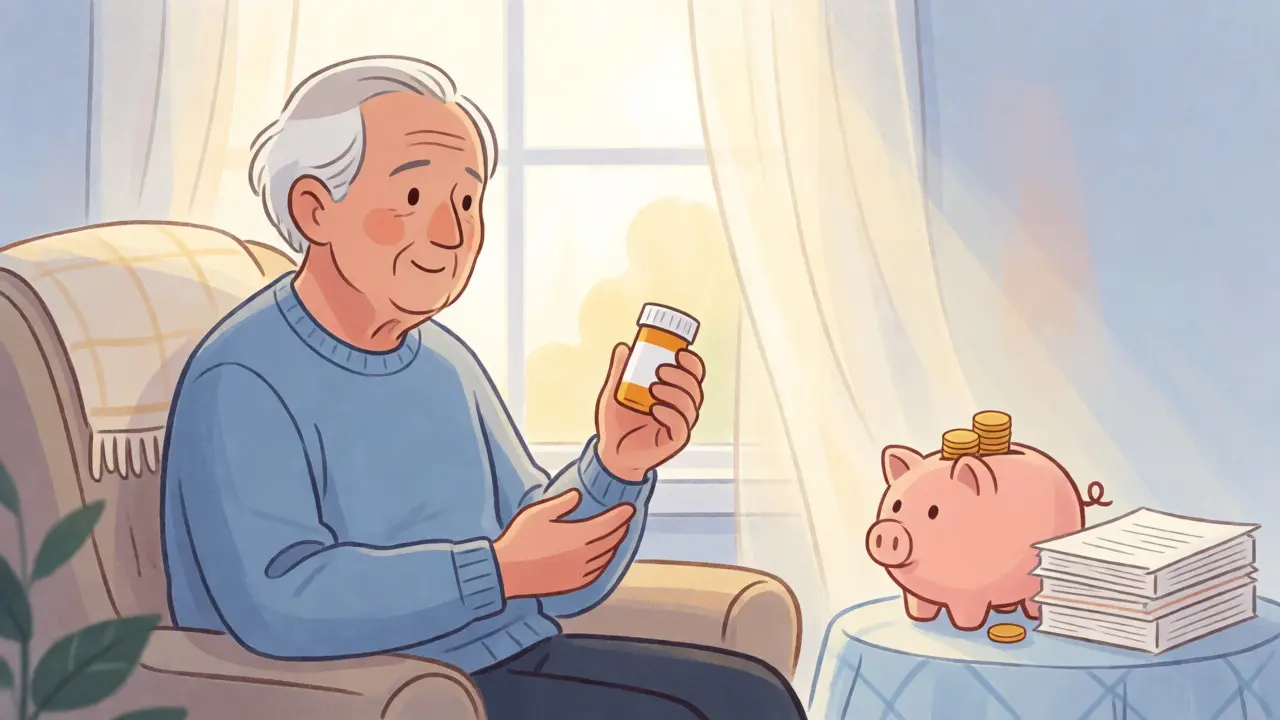
Imagine paying $1,200 a month for a single injection because you hit a coverage wall in your health plan. For years, this was the reality for millions of seniors navigating the Medicare Part D coverage gap, widely known as the "donut hole." It wasn't just an inconvenience; it was a financial cliff where out-of-pocket costs spiked unexpectedly. If you are currently enrolled or approaching enrollment, understanding how this system works-and how it is changing-is critical to protecting your wallet.
The good news? The landscape is shifting dramatically. Thanks to recent legislative changes, the traditional donut hole is being phased out. But until those changes fully take effect, knowing how to manage costs during any remaining gaps remains essential. This guide breaks down exactly what the coverage gap is, how the new rules work, and practical steps you can take right now to keep your medication affordable.
What Is the Medicare Coverage Gap?
The Medicare Part D coverage gap is a temporary limit on what the drug plan covers. After you and your plan have spent a certain amount on covered drugs, you enter this phase. Historically, beneficiaries had to pay a larger share of their drug costs during this period until they reached catastrophic coverage.
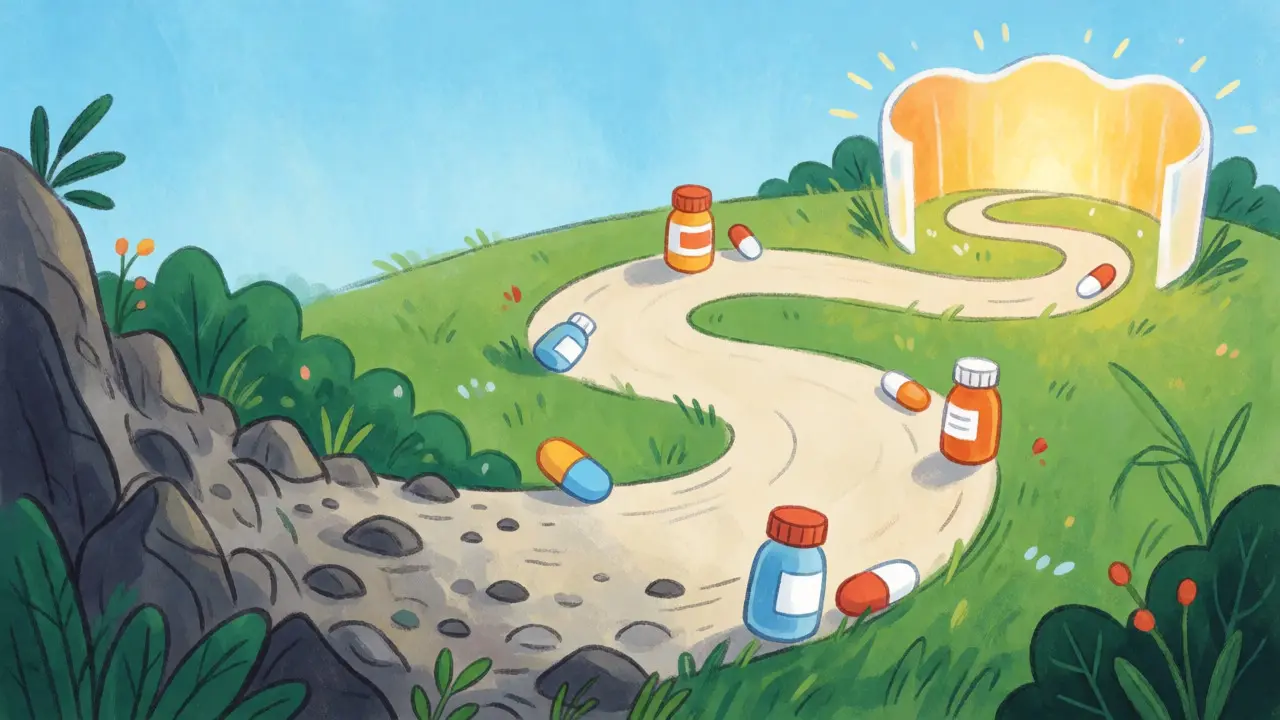
Think of your yearly drug spending like a journey with four distinct stops:
- Deductible Phase: You pay 100% of your drug costs up to a set amount (up to $590 in 2025).
- Initial Coverage Phase: You and your plan split the cost of your medications.
- Coverage Gap (Donut Hole): You pay a higher percentage of costs until you reach a specific out-of-pocket threshold.
- Catastrophic Coverage: You pay only a small copay or coinsurance for the rest of the year.
For decades, the donut hole caused significant anxiety. Beneficiaries often faced sudden bills that forced them to choose between groceries and prescriptions. A survey by the Medicare Rights Center found that 68% of people who entered the gap changed their medication habits due to cost, with many skipping doses or splitting pills to make supplies last longer.
The Big Change: Eliminating the Donut Hole
If you've heard rumors that the donut hole is disappearing, you're right. The Inflation Reduction Act signed into law in 2022 introduced major reforms to Medicare Part D. Effective January 1, 2025, the traditional coverage gap will be eliminated entirely.
Instead of the complex four-phase structure, the benefit design simplifies to three phases. More importantly, a hard cap on out-of-pocket costs is introduced. Starting in 2025, your annual out-of-pocket maximum for prescription drugs will not exceed $2,000. Once you hit that number, you pay nothing for covered drugs for the remainder of the year.
This change addresses a long-standing criticism of the old system. Previously, high-cost brand-name drugs counted differently toward the catastrophic threshold than generics, creating uneven burdens for patients. The new cap levels the playing field, providing predictable financial protection regardless of which medications you take.
| Feature | Traditional Structure (Pre-2025) | New Structure (Post-2025) |
|---|---|---|
| Coverage Phases | 4 Phases (Deductible, Initial, Gap, Catastrophic) | 3 Phases (Deductible, Initial, Catastrophic) |
| Out-of-Pocket Cap | No strict annual cap; varied by plan | $2,000 annual cap |
| Costs in Gap | Beneficiary paid 25% of costs | N/A (Gap eliminated) |
| Predictability | Low; costs fluctuated based on drug mix | High; fixed maximum exposure |
How to Manage Costs During the Transition
Even with the upcoming changes, managing medication costs requires active effort. Whether you are still navigating the final stages of the old system or preparing for the new one, these strategies help maximize your savings.
Check Your Formulary Tiers
Not all drugs are treated equally by your plan. Each Part D plan has a formulary-a list of covered drugs organized into tiers. Tier 1 usually contains cheap generics, while Tier 5 might include expensive specialty drugs. If your doctor prescribes a brand-name drug in a high tier, ask if there is a lower-tier alternative that works just as well. Switching from a brand-name to a generic version can save thousands annually. According to GoodRx data, switching to generics can reduce costs by $1,200 to $2,500 per year for common conditions.
Use Manufacturer Assistance Programs
Many pharmaceutical companies offer patient assistance programs for brand-name drugs. These programs can significantly lower your out-of-pocket costs, sometimes reducing a $500 monthly bill to just $5. For example, Amgen’s program helped one beneficiary reduce her Repatha cost drastically during the coverage gap. Always check the manufacturer's website or ask your pharmacist about eligibility requirements before filling a prescription.
Optimize Pharmacy Choice
Your choice of pharmacy impacts your price. Mail-order pharmacies often provide 90-day supplies at a lower cost than buying a 30-day supply at a retail store. Many plans offer better pricing for mail-order drugs, effectively giving you a discount of 15-25%. Additionally, using the same pharmacy helps track your spending accurately, ensuring you know exactly when you hit your out-of-pocket cap.
Apply for Extra Help
If you have limited income and resources, you might qualify for the Low-Income Subsidy (LIS), also known as Extra Help. This federal program helps pay for premiums, deductibles, and copays. In 2023, 12.6 million beneficiaries qualified for this aid. Importantly, Extra Help recipients generally do not face the coverage gap, meaning their costs remain low throughout the year. Applying for this subsidy is free and can be done through the Social Security Administration.
Strategic Planning for High-Cost Medications
If you take multiple expensive medications, timing matters. Under the old system, some beneficiaries tried to spread purchases across different calendar months to delay entering the donut hole. While less relevant under the new cap system, strategic planning still applies to deductible management.
Consider reviewing your Annual Notice of Change documents sent by your plan each September. These documents detail changes in premiums, formularies, and cost-sharing structures. If your preferred drug moves to a higher tier, you might want to switch plans during the Annual Enrollment Period (October 15 - December 7). Tools like the Medicare Plan Finder allow you to input your specific medications and compare total estimated costs across different plans. Users who actively optimize their plan selection save an average of $1,047 annually.
Also, keep an eye on premium trends. While the elimination of the donut hole adds value, some experts predict slight increases in monthly premiums to offset the new out-of-pocket cap. However, CMS projected the average monthly Part D premium for 2025 to decrease slightly to $34.70, offering relief despite the expanded benefits.
Common Pitfalls to Avoid
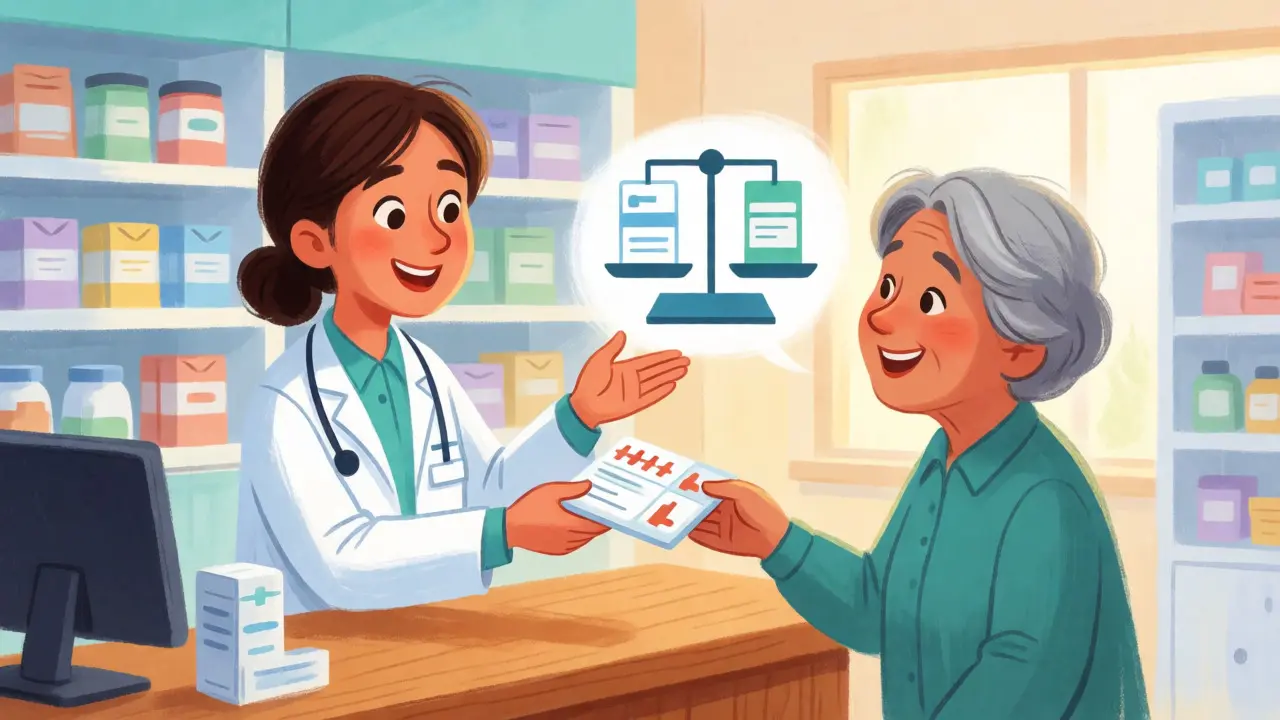
Even with clear rules, mistakes happen. Here are frequent errors that lead to unnecessary expenses:
- Ignoring Generic Options: Assuming brand-name is always necessary without consulting your doctor.
- Failing to Track Spending: Not keeping receipts or checking online portals means you won’t know when you’ve hit your cap.
- Missing Discounts: Not asking pharmacists about available coupons or manufacturer discounts.
- Overlooking State Programs: Some states have additional assistance programs that supplement federal coverage.
Remember, the goal is to stay within your budget while maintaining health. Communication with your healthcare provider is key. If a medication becomes unaffordable, tell them. They may adjust dosages, switch medications, or prescribe samples to bridge the gap.
Frequently Asked Questions
Is the donut hole gone completely?
Yes, effective January 1, 2025, the traditional Medicare Part D coverage gap, or donut hole, is eliminated. The new structure introduces a $2,000 annual out-of-pocket cap, after which you pay nothing for covered drugs for the rest of the year.
Will my monthly premium go up because of the new cap?
Premiums vary by plan and region. While some analysts predicted increases to cover the new liability caps, CMS projected a slight decrease in the average national premium for 2025. Check your specific plan's Annual Notice of Change for exact figures.
Do over-the-counter drugs count toward my out-of-pocket cap?
Generally, no. Only drugs covered by your specific Part D plan count toward your deductible and out-of-pocket maximum. Over-the-counter medications, even if recommended by your doctor, typically do not count unless your plan specifically includes them, which is rare.
What happens if I spend more than $2,000 out of pocket?
Once you reach the $2,000 out-of-pocket limit in a calendar year, you enter catastrophic coverage. For the remainder of that year, you pay $0 for covered prescription drugs. This provides significant financial protection against high-cost medications.
Can I use coupons to lower my costs?
You can use manufacturer coupons for brand-name drugs, but they cannot be combined with Medicare benefits. However, using a coupon might lower your immediate cash payment, though it doesn't necessarily count toward your Medicare out-of-pocket tracking. Always consult your pharmacist to see how coupons interact with your specific plan.
Does the $2,000 cap apply to insulin?
Insulin costs are capped separately under other provisions of the Inflation Reduction Act, limiting copays to $35 per month for covered insulin products. The $2,000 annual cap applies to your total out-of-pocket spending for all covered Part D drugs, including insulin, once you exceed the separate insulin copay limits.