
Medication-Induced Hiccups: Causes, Triggers, and Proven Remedies
 Jul, 14 2026
Medication-Induced Hiccups Risk Assessor
Select any medications you are currently taking to assess your hiccup risk
Based on your medications, here's your hiccup risk profile
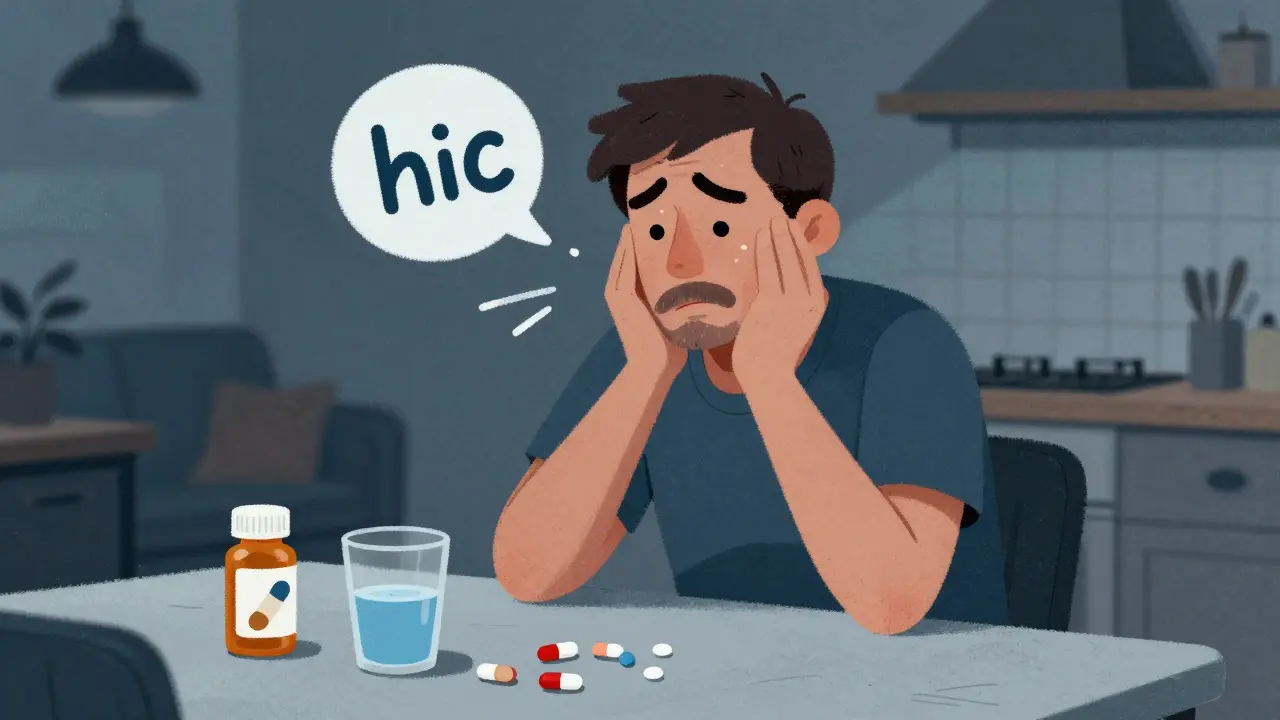
That sudden, involuntary jerk of your diaphragm followed by the sharp 'hic' sound is more than just a party trick gone wrong. While we often brush off occasional hiccups as harmless, persistent hiccups triggered by medications can be exhausting, painful, and deeply disruptive to daily life. If you are taking prescription drugs and find yourself unable to eat, sleep, or speak comfortably due to constant spasms, you are not imagining it. Your medication might be the culprit.
Understanding why certain drugs cause this reflex arc to misfire is the first step toward relief. This guide breaks down the specific medications known to trigger medication-induced hiccups, explains the physiological mechanism behind them, and offers evidence-based remedies ranging from simple home tricks to targeted medical interventions.
The Physiology Behind Drug-Triggered Hiccups
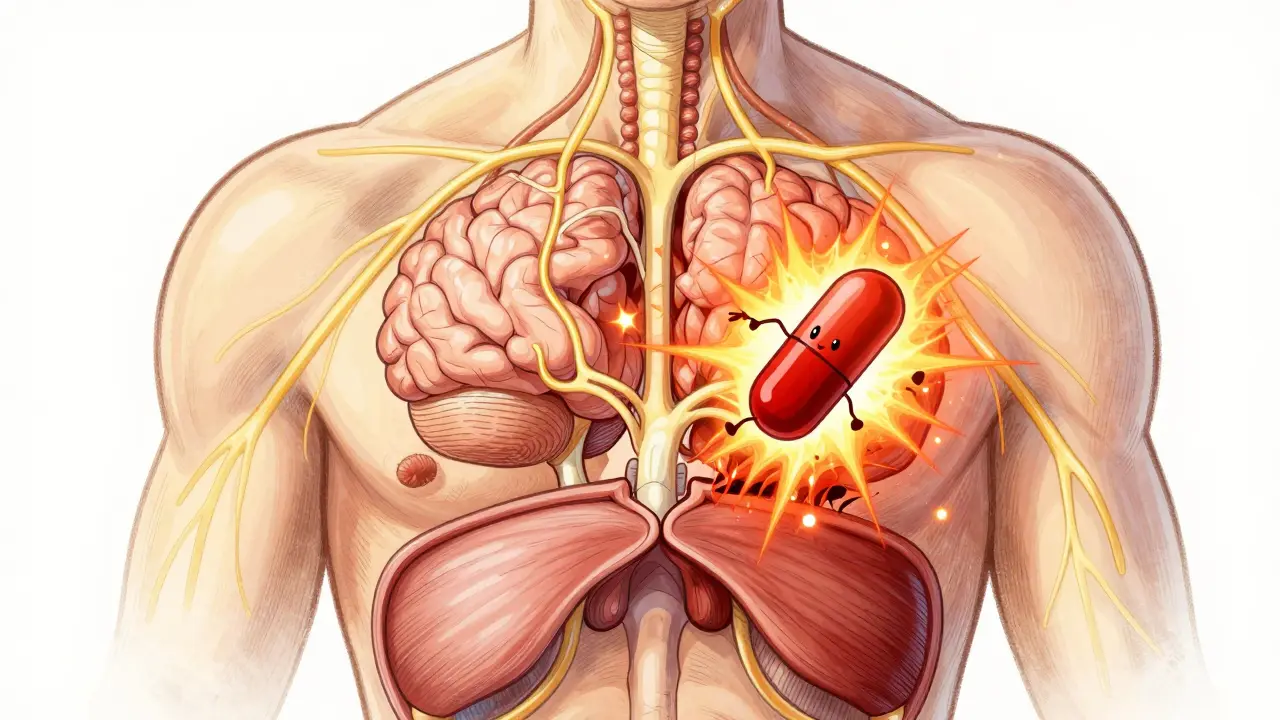
To understand why pills cause hiccups, we need to look at the hiccup reflex arc. This neural pathway involves three main components: the afferent limb (signals sent via the vagus and phrenic nerves), central processing in the medulla oblongata of the brainstem, and the efferent limb (signals sent back to the diaphragm via the phrenic nerve). When this loop is disrupted, the diaphragm contracts spasmodically, and the vocal cords snap shut, creating the hiccup sound.
Medications interfere with this delicate balance in several ways. Some drugs directly irritate the phrenic nerve or cause gastric distension, which stretches the stomach and stimulates the vagus nerve. Others alter neurotransmitter levels in the central nervous system, particularly affecting dopamine and GABA receptors that regulate muscle control. For instance, a 2012 study published in the Journal of Neurogastroenterology and Motility found that corticosteroids like dexamethasone may activate steroid receptors within the efferent limbs of the hiccup reflex, essentially turning up the volume on the signal that tells your diaphragm to spasm.
Why do some people get hiccups from meds while others don't?
Individual susceptibility varies based on genetics, dosage, and pre-existing conditions. Factors like age, gender, and concurrent use of other drugs can lower the threshold for triggering the hiccup reflex arc. For example, studies show that men are significantly more likely to experience dexamethasone-induced hiccups than women.
Top Medications Known to Cause Hiccups
Not all drugs are created equal when it comes to causing singultus (the medical term for hiccups). Certain classes of medications have a much higher incidence rate. Recognizing these culprits can help you and your healthcare provider identify the cause quickly.
Corticosteroids are the most notorious offenders. Dexamethasone, in particular, is frequently used in cancer care to reduce inflammation and nausea but has a high association with hiccups. A prospective trial in Taiwan found that 41.2% of patients receiving dexamethasone combined with cisplatin chemotherapy experienced hiccups. The risk increases with higher doses; cases have been documented at doses as low as 4mg daily.
Benzodiazepines, such as midazolam, are commonly used for sedation before surgery or procedures. These drugs affect the central nervous system and can trigger hiccups in approximately 8-12% of surgical patients. The effect is usually transient but can be distressing during recovery.
Opioids like morphine and fentanyl are powerful pain relievers that can cause gastric distension and slow gut motility. This physical stretching of the stomach stimulates the vagus nerve, leading to hiccups in 5-7% of chronic pain patients according to Mayo Clinic data.
Antibiotics, specifically Macrolides and Fluoroquinolones like azithromycin and moxifloxacin, have lower incidence rates (0.5-2%), but cases are well-documented. Even if rare, if you start hiccups shortly after beginning a new antibiotic course, it is worth mentioning to your doctor.
| Medication Class | Common Examples | Incidence Rate | Primary Mechanism |
|---|---|---|---|
| Corticosteroids | Dexamethasone, Prednisone | Up to 41% (with chemo) | Neurotransmitter alteration, receptor activation |
| Benzodiazepines | Midazolam, Diazepam | 8-12% | CNS depression, reflex arc modulation |
| Opioids | Morphine, Fentanyl | 5-7% | Gastric distension, vagus nerve stimulation |
| Antibiotics | Azithromycin, Moxifloxacin | 0.5-2% | Gastric irritation, CNS effects |
| Chemotherapy Agents | Cisplatin | Variable (high with steroids) | Direct neurotoxicity, synergistic with steroids |
Immediate Non-Pharmacological Remedies
Before jumping to prescription treatments, try these evidence-backed physical maneuvers. They work by stimulating the vagus nerve or increasing carbon dioxide levels in the blood, which can interrupt the hiccup reflex arc.
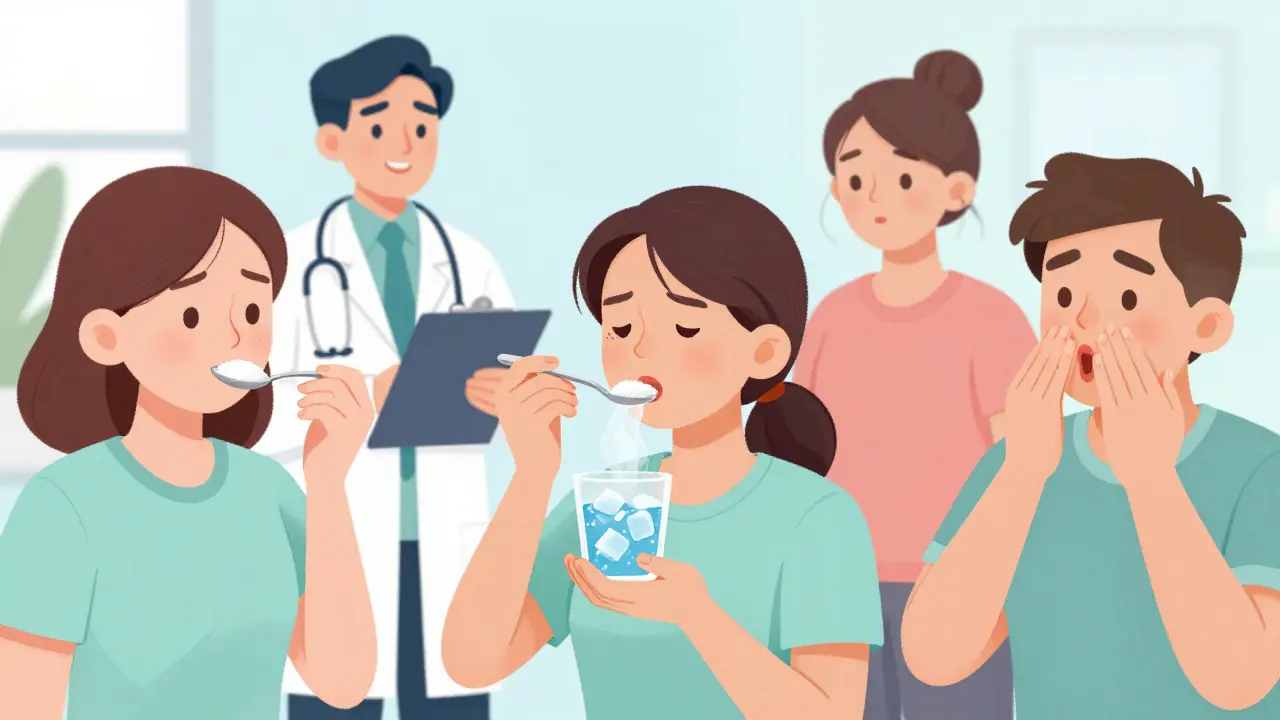
- Swallow Granulated Sugar: Place a teaspoon of dry sugar on your tongue and swallow it dry. The gritty texture stimulates the vagus nerve in the throat. A 2021 study in JAMA Internal Medicine reported a 72% success rate for this method.
- Ice Water Gargle: Gargle with ice-cold water for 10-15 seconds. The cold temperature shocks the vagus nerve and can reset the reflex. This method has a 65% success rate.
- Breath-Holding Technique: Take a deep breath and hold it for 10-20 seconds, then exhale slowly. Repeating this increases CO2 levels, which may inhibit the diaphragm's spasms. Success rate is around 58%.
- The Valsalva Maneuver: Pinch your nose, close your mouth, and gently try to breathe out. This increases pressure in the chest and can stop the spasms.
If these methods do not work within 30 minutes, or if the hiccups persist beyond 48 hours, you have moved into the territory of persistent hiccups, which require medical attention.
Medical Interventions for Persistent Hiccups
When home remedies fail, pharmacological intervention becomes necessary. The goal is to suppress the reflex arc without compromising the primary treatment for your underlying condition.
Baclofen is currently considered the first-line pharmacological treatment for medication-induced hiccups, especially those caused by steroids. As a GABA-B receptor agonist, it reduces the excitability of the neurons involved in the hiccup reflex. Starting at 5mg three times daily, baclofen shows 60-70% efficacy for steroid-induced cases according to a 2020 meta-analysis. It is often preferred because it does not interact heavily with many chemotherapy drugs.
Chlorpromazine (Thorazine) is the only medication approved by the FDA specifically for treating hiccups. It works by blocking dopamine receptors in the brain. However, it carries significant side effects, including sedation and low blood pressure, so it is typically reserved for severe, intractable cases where other treatments have failed. Efficacy is estimated at 50-60%.
In cases where the offending medication cannot be stopped-such as dexamethasone in cancer care-prophylactic treatment is an option. The same Taiwan trial mentioned earlier found that giving prophylactic baclofen (5mg twice daily) reduced the incidence of hiccups from 41.2% to 12.7%. Discuss this possibility with your oncologist or primary care provider before starting a high-risk medication.
When to Seek Emergency Care
Most medication-induced hiccups resolve once the drug is cleared from your system or adjusted. However, you should seek immediate medical attention if:
- Hiccups last longer than 48 hours (persistent) or one month (intractable).
- You experience difficulty breathing, eating, or sleeping.
- You notice signs of dehydration, weight loss, or extreme fatigue.
- Hiccups are accompanied by chest pain, fever, or shortness of breath, which could indicate a more serious underlying condition like pneumonia or heart issues.
Persistent hiccups can lead to serious complications, including electrolyte imbalances and aspiration pneumonia. Do not ignore them.
Prevention and Management Strategies
Preventing medication-induced hiccups starts with open communication with your healthcare provider. If you have a history of hiccups, inform your doctor before starting new medications, especially corticosteroids or benzodiazepines.
For patients who must take high-risk medications, consider these strategies:
- Dose Adjustment: Ask if a lower dose or alternative medication can achieve the same therapeutic effect with fewer side effects.
- Timing: Sometimes taking the medication with food or at a different time of day can reduce gastric irritation.
- Prophylaxis: In high-risk scenarios, ask about preventive measures like low-dose baclofen.
- Hydration: Stay well-hydrated to prevent gastric distension, especially if taking opioids.
Can I stop my medication if I get hiccups?
Never stop prescribed medication without consulting your doctor. Abruptly stopping steroids, opioids, or benzodiazepines can cause severe withdrawal symptoms or worsen your underlying condition. Instead, contact your provider to discuss dose adjustments or alternative treatments.
How long do medication-induced hiccups last?
In 65% of cases, hiccups are transient and resolve within 48 hours after discontinuing or adjusting the medication. In 30% of cases, they become persistent (lasting over 48 hours), and in 5%, they become intractable (lasting over a month), requiring specialized medical intervention.
Is there a new treatment for intractable hiccups?
Yes, research is ongoing. In June 2023, the FDA granted breakthrough therapy designation to a novel GABA-B receptor agonist (compound GBX-204) for intractable hiccups. Phase 3 trials showed an 82% resolution rate, offering hope for patients who do not respond to standard treatments like baclofen.
Conclusion
Medication-induced hiccups are a real, albeit often overlooked, side effect that can significantly impact quality of life. By understanding the common triggers-particularly corticosteroids, benzodiazepines, and opioids-you can better advocate for your health. Start with simple home remedies like sugar or ice water gargles. If the problem persists, work with your healthcare provider to explore pharmacological options like baclofen or dose adjustments. Remember, you do not have to suffer in silence; effective treatments exist, and proper management can prevent unnecessary diagnostic procedures and hospital visits.