
Metronidazole and Alcohol: The Truth About the Disulfiram-Like Reaction
 Jul, 26 2026
Antibiotic-Alcohol Interaction Checker
Select a medication to analyze interaction risks.
Acetaldehyde Buildup Risk:
Medical Context:
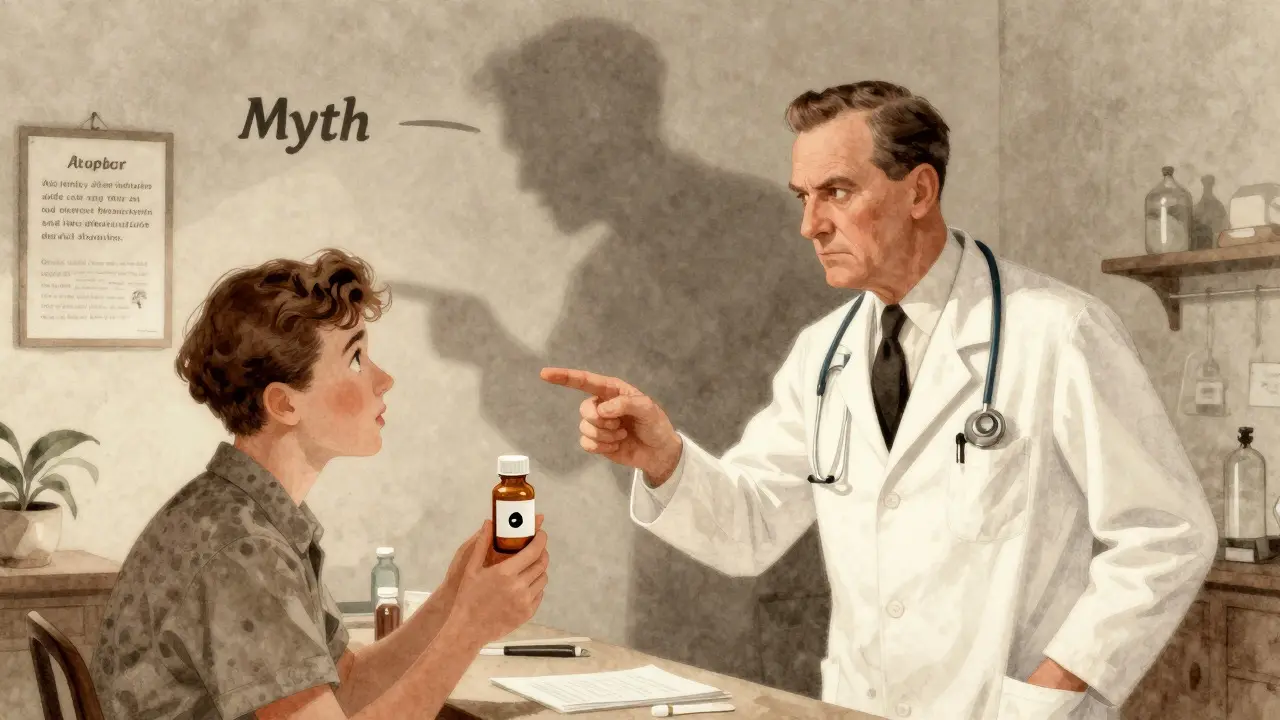
You’ve likely heard the warning. You pick up a prescription for Metronidazole, and the pharmacist or doctor gives you the same stern advice: "No alcohol." Not just while you take it, but for days after. They warn of a nasty reaction-flushing, vomiting, racing heart-that sounds like a hangover from hell. It’s called a disulfiram-like reaction. But here is the twist that might surprise you: modern science suggests this warning might be based on outdated data.
For decades, we’ve been told that mixing Metronidazole (a common nitroimidazole antibiotic used to treat bacterial and parasitic infections) with alcohol causes a toxic buildup in your body. Newer studies, however, are challenging this long-held belief. So, should you still avoid that glass of wine? Let’s look at what the evidence actually says, separating medical myth from fact.
The Origin of the Myth: A Single Case Study
To understand why this warning exists, we have to go back to 1964. A researcher named Saldivar published a report about a single patient who seemed to experience reduced alcohol cravings and unpleasant symptoms while taking Metronidazole. This one-off observation stuck. It became textbook knowledge. Doctors were taught that Metronidazole works exactly like Disulfiram (also known as Antabuse, a drug used to treat chronic alcoholism by causing an acute sensitivity to ethanol).
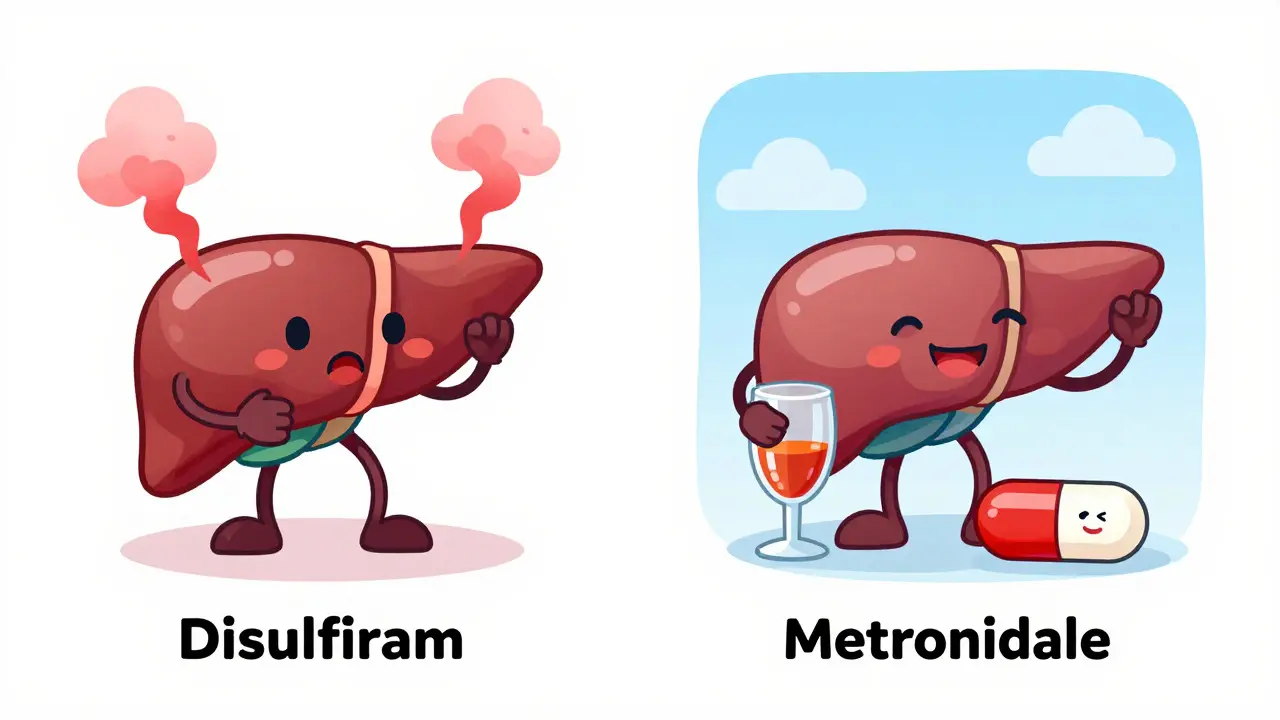
Disulfiram works by blocking an enzyme called Aldehyde Dehydrogenase (ALDH). When you drink alcohol, your liver turns ethanol into acetaldehyde (which makes you sick), and then ALDH turns that into harmless acetate. If ALDH is blocked, acetaldehyde builds up fast. You get red face, nausea, and palpitations. That is the true disulfiram-like reaction.
The assumption was that Metronidazole did the same thing. But assumptions aren’t facts. For over 50 years, we operated on a hunch from a single case report, never really testing it properly on a large scale.
What the New Science Says
In recent years, researchers have finally done the heavy lifting. A major retrospective study published in the Wisconsin Medical Journal in 2023 looked at over 1,000 emergency department patients. They compared people who had taken Metronidazole and drank alcohol against a control group that had similar alcohol levels but hadn’t taken the drug.
The result? Zero difference. Both groups reported reaction symptoms at the exact same rate: 1.98%. The p-value was 1.00, meaning there was no statistical link between the drug and the sickness. Another double-blind study found that Metronidazole did not increase blood acetaldehyde levels at all. If the drug isn’t raising acetaldehyde, it can’t be causing a true disulfiram-like reaction.
| Drug Class | Mechanism | Acetaldehyde Increase | Reaction Likelihood |
|---|---|---|---|
| Disulfiram | Irreversibly inhibits ALDH enzyme | 5-10 fold increase | High (40-90%) |
| Tinidazole | Stronger nitroimidazole variant | 4-7 fold increase | Moderate to High |
| Cefoperazone | Cephalosporin antibiotic | 3-5 fold increase | Moderate |
| Metronidazole | No significant ALDH inhibition | No systemic increase | Low / Unproven |
Notice the difference? Drugs like Tinidazole and certain cephalosporins (like Cefoperazone) genuinely cause these reactions. Metronidazole does not appear to share this mechanism.
The Serotonin Theory: Why Do People Still Get Sick?
If Metronidazole doesn’t block ALDH, why do some people swear they got violently ill after drinking on it? A 2024 commentary by researchers at Aristotle University of Thessaloniki offers a compelling alternative: serotonin.
Both alcohol and Metronidazole can affect serotonin levels in the brain. In animal studies, combining the two led to a 250% spike in brain serotonin. This doesn’t cause a disulfiram reaction, but it might trigger something that looks like it-nausea, headache, discomfort. It’s essentially a mild, temporary serotonin syndrome rather than a toxic alcohol buildup.
This explains the anecdotal reports without requiring the biochemical impossibility of ALDH inhibition. It also highlights individual variability. Some people are more sensitive to serotonin shifts than others. But crucially, this is different from the dangerous, predictable toxicity associated with true disulfiram interactions.
Official Guidelines vs. Reality
So, if the science says it’s safe, why does the label say otherwise? Regulatory bodies move slowly. The FDA labeling for Metronidazole, revised in late 2022, still advises caution against alcoholic beverages. The American Dental Association recommends avoiding alcohol for 72 hours after finishing the course.
This is largely due to medicolegal caution. If a doctor tells you "it’s probably fine" and you get sick, it’s a lawsuit. If they tell you "don’t drink" and you don’t, everyone stays safe. However, this conservatism has costs. An estimated $28 million is spent annually in the US alone on unnecessary alternative antibiotics because doctors fear this interaction. Patients suffer anxiety, and some skip doses or stop treatment early because they don’t want to give up their social life.
Interestingly, specialists know better. A 2023 survey showed that while 78% of primary care physicians still ban alcohol completely, only 34% of infectious disease specialists do. Experts see the data; generalists stick to the old rules.

Practical Advice: What Should You Do?
I’m not a doctor, but looking at the current evidence, here is how you can approach this rationally:
- Know Your Half-Life: Metronidazole stays in your system for about 48 hours (roughly five half-lives). If you are going to follow the traditional precaution, avoid alcohol for 72 hours after your last dose. This covers the window where any theoretical interaction could occur.
- Distinguish Between Drugs: If you are taking Tinidazole or Cefotetan, avoid alcohol strictly. Those drugs have proven interactions. Metronidazole is in a gray area.
- Listen to Your Body: If you have a history of alcohol sensitivity or migraine disorders, the serotonin effect might bother you more. In that case, skipping the drink is a valid personal choice, even if it’s not medically mandatory.
- Check Hidden Alcohol: Be careful with cough syrups or mouthwashes containing ethanol. One case report involved a child reacting to metronidazole mixed with an alcohol-based syrup. It’s rare, but possible.
For most healthy adults, having a single beer or glass of wine while on Metronidazole is unlikely to cause harm. Binge drinking, however, is always a bad idea when fighting an infection, regardless of the drug you’re taking. Your immune system needs rest, not dehydration.
The Bottom Line
The strict "no alcohol ever" rule for Metronidazole is a relic of 1960s medicine. While it doesn’t hurt to be cautious, you shouldn’t panic if you slip up. The terrifying disulfiram-like reaction is real for other drugs, but for Metronidazole, the risk is largely overstated. Trust the newer data, talk to your doctor about your specific situation, and prioritize finishing your antibiotic course to beat the infection.
Does Metronidazole really cause a disulfiram-like reaction?
Current high-quality evidence suggests no. Unlike Disulfiram or Tinidazole, Metronidazole does not significantly inhibit the ALDH enzyme or raise blood acetaldehyde levels. Recent large-scale studies show no increased risk of reaction symptoms compared to non-users.
How long should I wait to drink alcohol after taking Metronidazole?
Traditionally, doctors recommend waiting 72 hours after your last dose. This allows the drug to fully clear your system (about 5 half-lives). While new evidence suggests this may be unnecessary, it remains the safest conservative guideline.
Why do some people still feel sick when mixing Metronidazole and alcohol?
Some researchers propose a serotonin-mediated mechanism. Both substances can increase serotonin activity, potentially causing nausea or headaches in sensitive individuals. This is distinct from the toxic acetaldehyde buildup seen in true disulfiram reactions.
Are there other antibiotics that definitely interact with alcohol?
Yes. Tinidazole (a related drug) and certain cephalosporins like Cefoperazone and Cefotetan have documented evidence of causing true disulfiram-like reactions by increasing blood acetaldehyde levels. These should be avoided with alcohol strictly.
Is it safe to drink beer or wine while on Metronidazole?
While official labels advise caution, recent studies indicate moderate consumption is likely safe for most people. However, excessive drinking can worsen side effects like nausea independently of the drug. Always consult your healthcare provider for personalized advice.