
National Prescription Drug Take-Back Day: What to Expect in 2026
 Aug, 23 2026
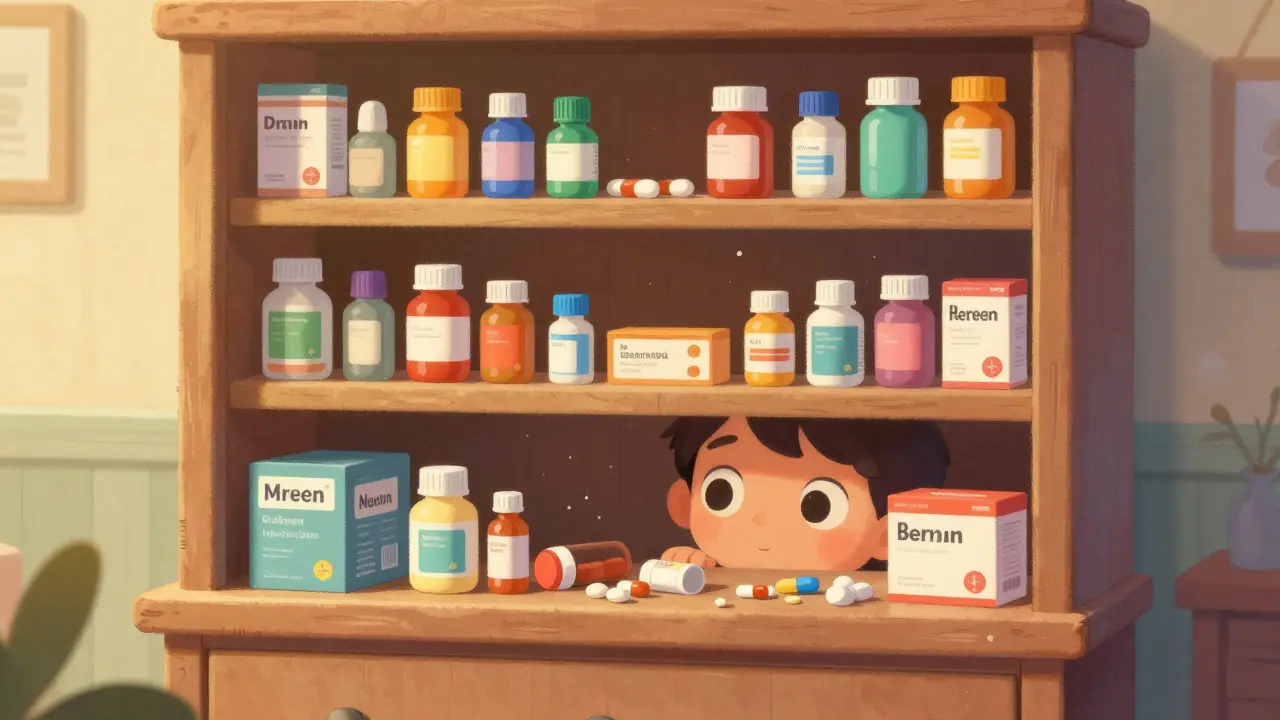
Imagine finding a bottle of leftover opioids in your medicine cabinet. Do you flush them? Toss them in the trash? Or do you wait for a specific day to drop them off safely? If you have ever wondered where those old pills actually go, you are not alone. The National Prescription Drug Take-Back Day is a biannual event organized by the U.S. Drug Enforcement Administration (DEA) that allows Americans to dispose of unused prescription medications safely and anonymously. It happens twice a year, typically on the last Saturday of April and October. For 2026, you can expect these events to continue their mission of keeping powerful drugs out of the wrong hands and protecting the environment from chemical runoff.
This isn't just a cleanup day; it's a critical public health strategy. Since its launch in 2010, the program has collected nearly 10,000 tons of medication. But what exactly should you bring? Where do you go? And what happens to your pills once they hit that bin? Let’s break down everything you need to know before the next event rolls around.
Key Takeaways
- Timing: Events occur on the last Saturday of April and October, from 10 a.m. to 2 p.m. local time.
- What to Bring: Tablets, capsules, patches, and sealed liquids. No sharps or syringes.
- Where to Go: Over 4,500 collection sites nationwide, including police stations and pharmacies.
- Anonymity: No ID required, no questions asked. It is completely free.
- Preparation: Check local site availability using the DEA’s online locator or the 'Dispose My Meds' app.
How the Event Works: Logistics and Timing
The National Prescription Drug Take-Back Day is coordinated by the U.S. Drug Enforcement Administration (DEA), which is the federal agency responsible for enforcing controlled substance laws and coordinating national drug take-back efforts. They partner with nearly 4,000 law enforcement agencies across the country. This means the collection sites aren't just random drop boxes; they are secured locations like police departments, sheriff’s offices, and select retail pharmacies.
You don’t need to register or show up early. The window is strict: 10 a.m. to 2 p.m. local time. Why this specific window? It aligns with standard business hours for many participating agencies while maximizing community access. In 2025, the 29th iteration of the event saw approximately 4,590 sites active. You can expect similar numbers in 2026, potentially higher as the program expands into rural areas with mobile units.
If you live in a rural area, you might wonder if there is a site near you. Historically, rural participation was lower because sites were concentrated in urban centers. However, recent initiatives have deployed 120 mobile collection vehicles to serve communities more than 25 miles from traditional fixed sites. This expansion aims to close the gap between urban and rural access, ensuring that everyone has a safe option rather than resorting to flushing or trash disposal.
What Medications Are Accepted?
Not every item in your medicine cabinet belongs in the take-back bin. Knowing what to bring saves you time and ensures the proper processing of waste. Here is the breakdown:
- Tablets and Capsules: These are the most common items. You can put them directly in the bin, but keeping them in the original container helps with tracking data.
- Patches: Opioid patches and other transdermal systems are accepted. Cut them in half if possible to make them less attractive to children, though this is optional.
- Liquid Medications: Cough syrups, liquid antibiotics, etc. These must be securely sealed in their original containers. Do not pour them loose into the bin.
- Expired Meds: Yes, bring them all. Expired drugs lose potency and can become unstable, making proper disposal even more important.
What about things you *shouldn't* bring? Syringes, needles, and other sharps are excluded from this specific event. Those require separate handling at designated sharps containers, often found at hospitals or specialized medical waste facilities. Also, illicit drugs (non-prescription) are generally not accepted at these specific DEA take-back sites, which focus strictly on legal prescription medications that are no longer needed.
| Method | Pros | Cons | Best For |
|---|---|---|---|
| Take-Back Day | Safest, anonymous, free, prevents diversion | Only available twice a year, limited hours | All solid prescriptions, sealed liquids |
| Flushing | Immediate, convenient | Environmental impact, only for specific high-risk drugs | Opioids, stimulants (check FDA flush list) |
| Trash | Always available | Risk of theft/misuse, requires mixing with unpalatable material | Non-controlled meds when no other option exists |
| Year-Round Kiosks | Convenient, frequent access | May charge fees, location-dependent | Patients needing ongoing disposal |
Why Proper Disposal Matters More Than Ever
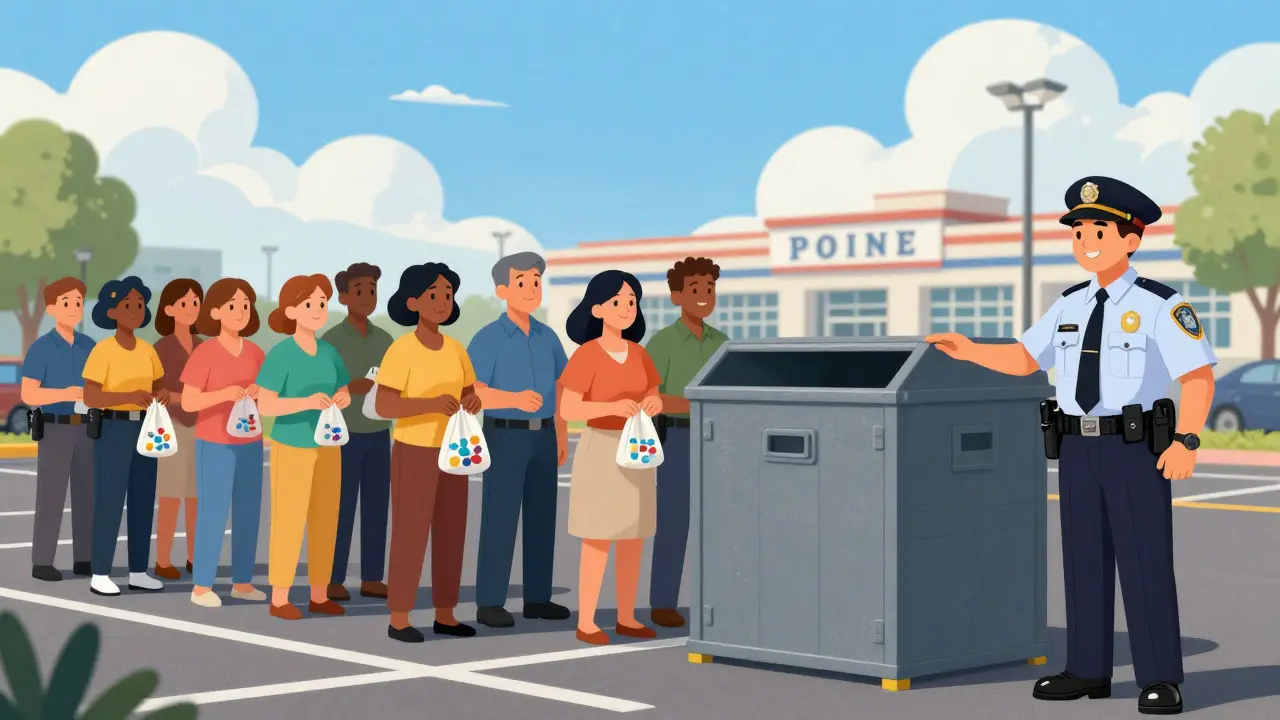
It’s easy to think, "Who would steal my old antibiotics?" But the data tells a different story. According to the National Survey on Drug Use and Health, 57.9% of people who misuse prescription drugs obtain them from family or friends’ medicine cabinets. That means your leftover painkillers could end up in the hands of a teenager or an adult struggling with addiction.
Dr. Nora Volkow, Director of the National Institute on Drug Abuse, has highlighted that millions of Americans misuse pain relievers annually. By dropping off unused meds, you cut off one of the primary supply chains for non-medical use. Beyond human safety, there is an environmental angle. When you flush too many medications, trace amounts end up in water supplies. While some drugs are specifically flagged by the FDA for flushing due to high abuse potential, most others are better suited for incineration or landfill via take-back programs to minimize ecological footprint.
Finding Your Local Collection Site
One of the biggest hurdles for participants is simply knowing where to go. The DEA maintains a comprehensive database of authorized collection sites. You can find your nearest location through two main tools:
- The DEA Website: Visit the official Take-Back Day page. Enter your ZIP code, and it will list nearby police stations, pharmacies, and clinics that will be hosting bins on the event day.
- 'Dispose My Meds' App: Used by over 340,000 Americans, this mobile app provides real-time location services for both temporary Take-Back Day sites and permanent year-round kiosks. It’s particularly useful if you miss the main event dates and need a permanent solution.
Pro tip: Don’t wait until the morning of the event to check. Some smaller clinics may have limited space or specific parking restrictions. Checking ahead gives you time to plan your route. Also, note that while most sites are open from 10 to 2, some private pharmacy partners might have slightly extended hours. Always verify with the specific location listed in the directory.
What Happens After You Drop Off Your Meds?
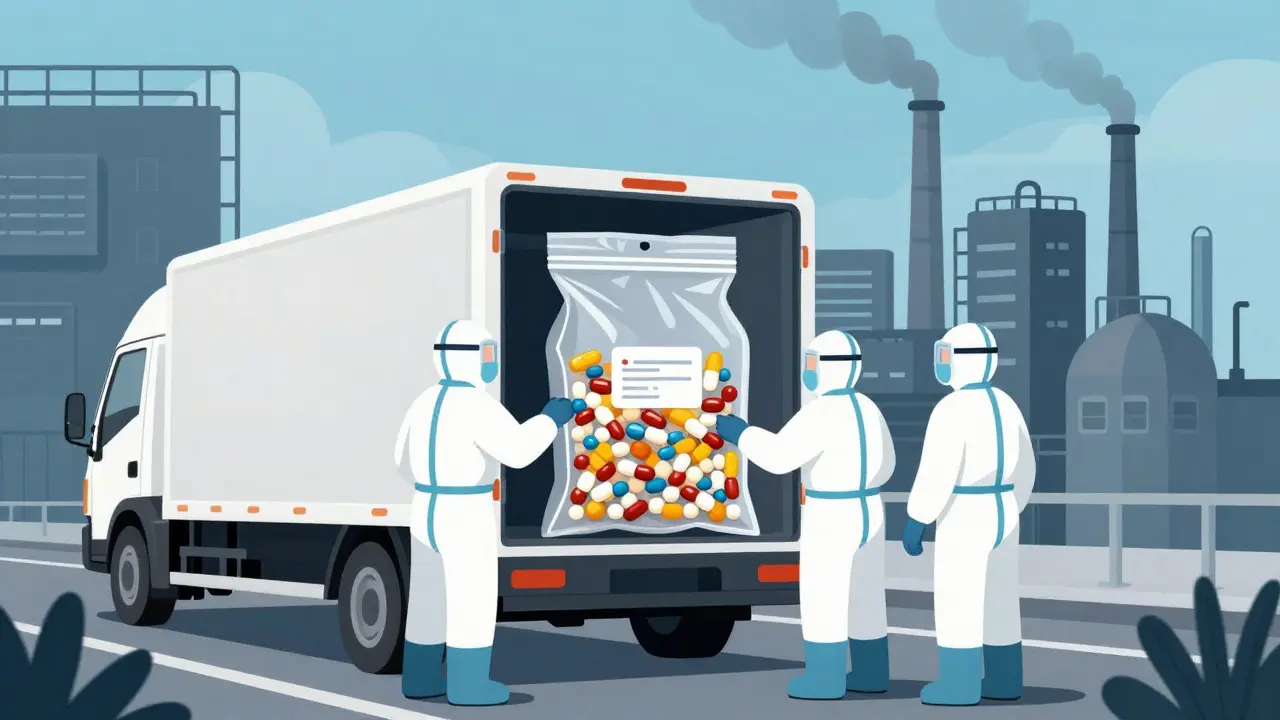
Once your bottles are in the bin, the process moves into the back-end logistics. Law enforcement partners maintain custody of the collected substances throughout the event. After the 2 p.m. deadline, the bags are sealed and transported to secure facilities.
From there, the medications are sent to licensed pharmaceutical waste processors. Depending on the type of drug, they may be incinerated, chemically destroyed, or processed for recovery. The goal is to ensure the drugs are rendered unusable so they cannot re-enter the supply chain. This rigorous chain of custody is why the program is trusted-it eliminates the risk of drugs being diverted to the black market during transport.
Common Mistakes to Avoid
Even with good intentions, people sometimes make errors that complicate the process. Here are the top pitfalls to watch out for:
- Mixing Liquids Loose:
- Assuming All Sites Are Open:
- Forgetting to Remove Personal Info:
While anonymity is guaranteed, removing your name from the label is still a good privacy habit. It takes ten seconds and adds another layer of security against any accidental identification, however unlikely.
Frequently Asked Questions
Do I need to pay to dispose of my medication?
No. The National Prescription Drug Take-Back Day is entirely free. There are no fees for dropping off tablets, capsules, or sealed liquids at any authorized DEA collection site.
Can I drop off expired medications?
Yes. Expired medications are highly encouraged for take-back. They may have degraded in effectiveness or stability, making them unsuitable for reuse but perfect candidates for safe destruction.
What if I miss the Take-Back Day dates?
You can look for year-round collection sites. Many pharmacies and hospitals have permanent kiosks. Additionally, the 'Dispose My Meds' app helps locate these permanent sites near you. For high-risk drugs like opioids, the FDA also recommends flushing if no take-back site is readily available.
Are syringes and needles accepted?
Generally, no. The National Take-Back Day focuses on solid oral medications and sealed liquids. Syringes and sharps usually need to be disposed of in dedicated red sharps containers found at hospitals, clinics, or pharmacies to protect handlers from needle-stick injuries.
Is the process anonymous?
Yes. No ID is required, and no questions are asked about why you are disposing of the medication. This encourages people to clear out unused meds without fear of judgment or bureaucratic hassle.
Owen John
August 24, 2026 AT 15:12They say anonymous but the DEA has your license plate on file from the parking lot, they are just waiting for the right moment to cross-reference it with your credit card history. The 'free' disposal is a bait and switch operation designed to track who still has opioids in their cabinets so they can send a 'concerned' letter next month. I keep my meds in a lead-lined box under the floorboards because trust no one, not even the federal government which is clearly just collecting data points for the next surveillance algorithm. The mobile units are probably just drones disguised as vans, watching you while you toss your pills into the void of bureaucracy.
Maneesh kv
August 26, 2026 AT 12:07Great initiative!! 🚀👏 But why only twice a year?? In India we have collection drives almost every month at hospitals. It shows real commitment to public health when you make it easy and frequent. Don't let the convenience of flushing win over the planet! 🌍💪
John Park
August 27, 2026 AT 04:18The dichotomy of safety vs convenience is a false binary constructed by state apparatuses to maintain control over chemical consumption. By limiting drop-offs to specific hours, they create artificial scarcity that forces compliance through temporal restriction. It is not about protecting the water table, it is about creating a ritual of submission where citizens must align their schedules with the whims of the enforcement agency. The true freedom lies in knowing that the pill is never truly gone, it merely changes hands in the metaphysical realm of waste management.
Kathleen McGrath
August 28, 2026 AT 00:06I love that they are bringing this to rural areas too! My mom lives out in the country and she always worries about what to do with old bottles. Knowing there are mobile units coming means she won't have to drive an hour just to get rid of some expired antibiotics. It feels really good to know there is a safe way to handle these things without guessing if you should flush or trash them. Hopefully more people will start using the app to find spots before they need to go.
Lemuel Gomez
August 29, 2026 AT 11:46Agreed, the rural expansion is a huge plus. I live in a small town and used to think I was stuck with the 'flush it' option because the nearest pharmacy was 20 miles away. Now that they are sending trucks around, it actually makes sense to wait for the event instead of just throwing things in the sink. It’s a small change but it adds up when you consider how many people live in those underserved areas. Also, the fact that no ID is required removes a big barrier for people who might be shy about dropping off meds.
Emmanuel Umana
August 30, 2026 AT 07:55In Nigeria, we often rely on community health workers for such tasks. The idea of a national day is interesting but perhaps too rigid. Consistency beats intensity in public health campaigns. If you want real impact, make it permanent and accessible daily. The environment does not care about your calendar schedule. It cares about the continuous flow of chemicals into the soil and water. We must look beyond the American model to see what works globally.
joyce Hogewoning
August 31, 2026 AT 07:29OMG did you guys read the part about the sharps? Because I have been trying to figure out where to put my insulin needles for like three years now and nobody tells you anything useful! I thought take-back day was for everything medicine related but then I found out you can't bring needles and now I'm just sitting here with a little plastic box full of scary pointy things wondering if I should just tape them up and throw them in the regular trash or if the raccoons are going to get hurt. It is so frustrating that they don't just make one big bin for all medical waste because sorting it out is such a headache and I feel like I am being tested on my knowledge of hazardous waste regulations just to get rid of some old syringes. Why is this so complicated?! 😤
Thhomas Fox
August 31, 2026 AT 17:59You're not alone in that struggle! Sharps containers are usually at pharmacies or clinics, not the take-back bins. Think of it like separating recyclables: different materials need different homes. Keep those needles safe until you can drop them off properly. You've got this!
Lilian Binda
September 1, 2026 AT 11:47Why does America need a special day for this? In Nigeria we just manage our waste better with less government interference. These events are just a distraction from the real problem which is over-prescription. Stop making it a spectacle and just fix the healthcare system. Also the spelling of 'medicines' is wrong in the article title, it should be 'meds' if you are being casual. Sloppy writing shows sloppy thinking.
Fabian Saldana
September 2, 2026 AT 17:35A compelling overview of the logistics involved in the National Prescription Drug Take-Back Day. The integration of mobile units to serve rural demographics represents a significant stride toward equitable access to proper medication disposal. Furthermore, the emphasis on anonymity serves to reduce the stigma associated with returning unused controlled substances, thereby encouraging broader participation among hesitant populations. This structured approach ensures that the chain of custody remains unbroken, mitigating the risk of diversion into illicit markets. As we look toward 2026, the continued expansion of site availability promises to enhance the efficacy of this vital public health initiative. It is imperative that citizens remain informed regarding the specific types of medications accepted to maximize the utility of these collection efforts. The collaboration between law enforcement and pharmaceutical partners underscores the multifaceted nature of this program. Ultimately, the success of this endeavor relies on consistent public engagement and awareness. Let us commit to responsible stewardship of our pharmaceutical resources. Together, we can safeguard both our communities and our environment from the unintended consequences of improper disposal. The data presented supports the notion that this program is a cornerstone of modern drug policy. Continued support for such initiatives is essential for long-term sustainability. Let us embrace this opportunity to contribute to a safer society. Excellence in public health begins with individual responsibility.
Colin Finch
September 2, 2026 AT 20:13Oh wow, ten thousand tons! That is absolutely massive! Just imagining the sheer volume of pills that have been saved from ending up in the wrong hands is quite something. It makes me feel so proud of how organized the whole process is. I hope everyone reads this and remembers to check their cabinets before the next date. It really is a fantastic effort by the DEA and all the local agencies involved. I’m definitely setting a reminder for April! 🎉
Betty Childers
September 3, 2026 AT 22:27I appreciate the clear breakdown of what to bring. I always get confused about whether liquid meds count. Good to know they need to be sealed. I’m glad there’s an app for finding spots too, saves me from calling around. Thanks for the info.
Amy Zalkin
September 5, 2026 AT 09:11honestly i just flush most stuff unless its on the list but maybe im doing it wrong lol. the app sounds handy though. i never knew about the mobile trucks for rural areas, that's pretty cool actually. wonder if they come to my neighborhood. anyway nice post thanks for sharing.
Alex Brown
September 7, 2026 AT 00:01The distinction between flushing and taking back is crucial, yet often misunderstood. Flushing is reserved for high-risk drugs where the danger of accidental ingestion outweighs the environmental cost. For the vast majority of medications, incineration via take-back programs offers a more balanced approach to safety. This nuance highlights the importance of informed decision-making in everyday life. When we understand the rationale behind these guidelines, compliance becomes less about obedience and more about shared responsibility. The program succeeds not just through enforcement, but through education. By clarifying these points, we empower individuals to act as stewards of their own health and the community's well-being. It is a simple concept with profound implications. Let us continue to refine our understanding of these processes. Knowledge is the first step toward effective action. The future of safe disposal depends on our collective willingness to learn and adapt. May we all contribute to a cleaner, safer world.
Kaylyn Mello
September 8, 2026 AT 03:35thanks for the detailed post! i had no idea about the specific hours (10-2). i always assume they are open all day. also good to know about the sharps exclusion. i will check the app next time i have old meds. great resource!