
Opioid Therapy: When It’s Appropriate and How to Avoid Dependence
 Dec, 30 2025
When Opioids Are the Right Choice for Pain
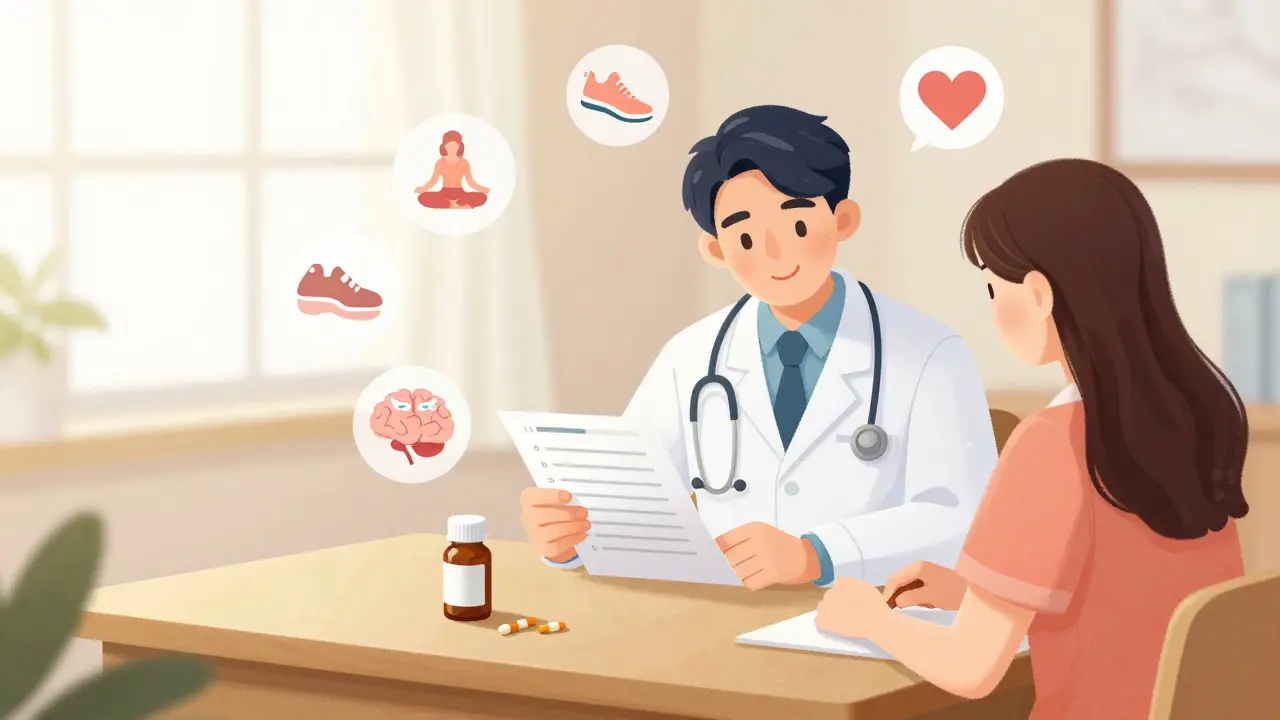
Opioids aren’t the first answer for pain - but they can be the right one, when used correctly. The CDC’s 2022 guidelines make this clear: opioids should never be the starting point for chronic pain. Instead, doctors should try physical therapy, exercise, cognitive behavioral therapy, acetaminophen, or NSAIDs first. If those don’t work, and the pain is severe and disabling, then opioids might be considered - but only after a careful conversation about risks and benefits.
For acute pain - like after surgery or a broken bone - opioids can be helpful for a few days. But even then, they should be given in the smallest dose for the shortest time possible. A 2021 study found that 43% of patients prescribed opioids after surgery got more pills than they needed. Those extra pills often end up in medicine cabinets, where kids or others might take them by accident - or on purpose.
The key is matching the drug to the situation. Opioids work best for short-term, intense pain. They’re not designed for long-term daily use. For chronic back pain, arthritis, or fibromyalgia, the evidence shows that after a few months, opioids rarely improve function or quality of life - but the risks keep growing.
How Much Is Too Much? Understanding Opioid Doses
Dosage matters more than most people realize. The CDC defines morphine milligram equivalents (MME) as the standard way to measure opioid strength across different drugs. A daily dose of 50 MME or more doubles your risk of overdose compared to doses under 20 MME. At 90 MME or higher, the risk jumps even more - and guidelines say this level should only be used if there’s clear, documented improvement in pain and function.
Here’s what those numbers look like in real terms:
- 10 MME/day = about 2 hydrocodone 5mg tablets
- 50 MME/day = about 5 oxycodone 5mg tablets
- 90 MME/day = about 9 oxycodone 5mg tablets or 12 hydrocodone 5mg tablets
Doctors are told to avoid going above 90 MME/day unless absolutely necessary - and even then, they need extra safeguards. That includes regular check-ins, urine tests to check for other drugs, and a plan to taper down if things aren’t improving.
The Hidden Dangers: When Opioids Become Dangerous
Opioids are risky on their own. But they become far more dangerous when mixed with other drugs. Taking opioids with benzodiazepines - like Xanax or Valium - increases the risk of overdose by more than 3.8 times. That’s because both types of drugs slow down breathing. Together, they can stop it completely.
Other high-risk factors include:
- History of substance use disorder (3.5 times higher risk)
- Age 65 or older (slower metabolism means drugs build up in the body)
- Depression or untreated mental illness
- Using multiple pharmacies or doctors to get prescriptions
For patients with these risk factors, doctors are strongly encouraged to prescribe naloxone - the overdose-reversal drug - at the same time as the opioid. About half of U.S. hospitals now have standing orders for naloxone for at-risk patients, up from just 18% in 2016.
Dependence Isn’t Addiction - But It’s Still a Problem
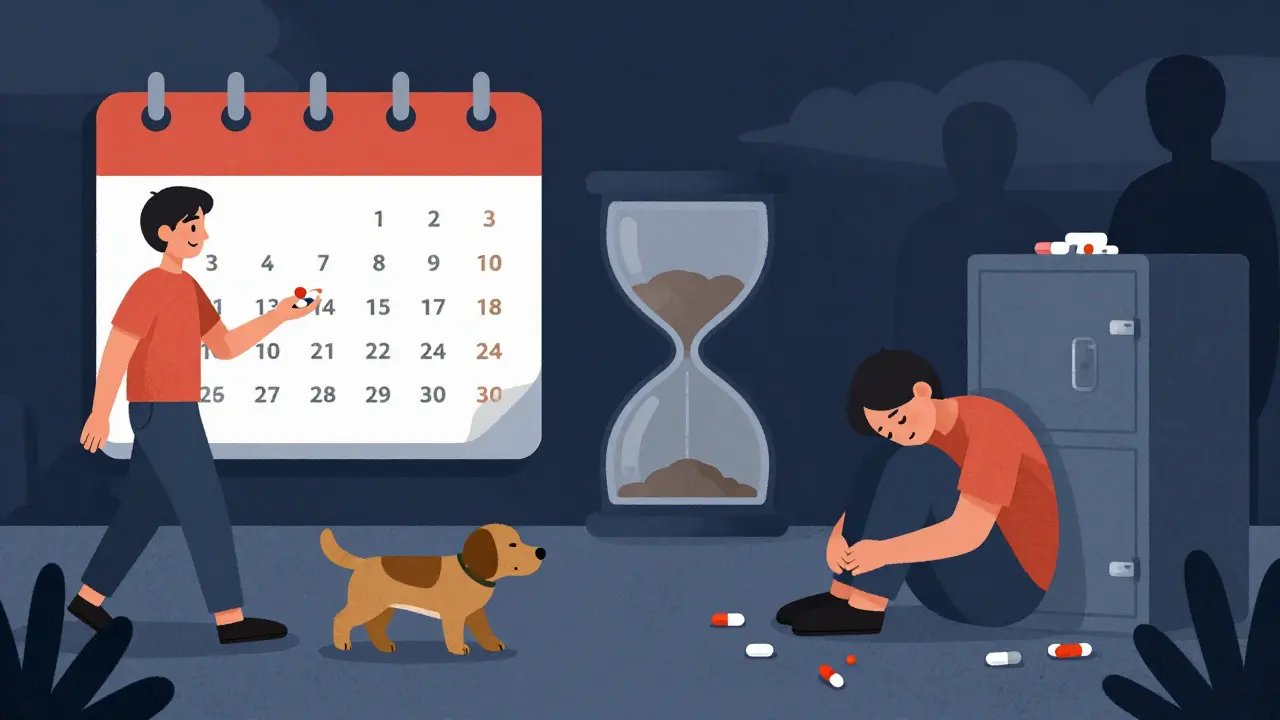
Many people confuse dependence with addiction. Dependence means your body gets used to the drug. If you stop suddenly, you get withdrawal symptoms - nausea, sweating, anxiety, muscle aches. That’s not addiction. Addiction is when you keep using the drug even though it harms your life - you lose jobs, relationships, or health because of it.
But dependence is still dangerous. It’s the first step toward addiction. About 8-12% of people prescribed opioids for chronic pain develop opioid use disorder. That number jumps to 26% for those taking 100 MME or more per day. And the biggest risk? The first 90 days. That’s when most people who will develop dependence start down that path.
That’s why doctors are told to treat opioid therapy like a trial. If you’re on opioids for more than three months and your pain hasn’t improved, or your daily life hasn’t gotten better, the drug isn’t working - and it’s time to talk about stopping.
How Doctors Monitor Opioid Therapy
Responsible opioid prescribing isn’t just about writing a prescription. It’s about ongoing monitoring. The VA/DoD guidelines say patients on long-term opioids should be seen at least every three months. High-risk patients need monthly visits.
During these visits, doctors check:
- Pain level (on a 0-10 scale)
- Ability to do daily tasks - walking, sleeping, working
- Urine drug tests to make sure no other drugs are being used
- Answers to the Current Opioid Misuse Measure (COMM) to spot warning signs like doctor shopping or missed doses
Many primary care providers still skip these steps. A 2021 study found only 37% consistently use tools like the Opioid Risk Tool before starting therapy - even though nearly all guidelines say they should.
When It’s Time to Taper Off
Stopping opioids suddenly can be dangerous. Withdrawal is painful, and it can push people back to illegal drugs. That’s why tapering - slowly lowering the dose - is critical.
Guidelines suggest three approaches:
- Slow taper: Reduce by 2-5% every 4-8 weeks. Best for patients who are stable and improving.
- Moderate taper: Reduce by 5-10% every 4-8 weeks. For patients with no improvement or signs of tolerance.
- Rapid taper: Reduce by 10% per week. Only for patients over 90 MME/day or those with serious side effects.
Patients should always be part of the decision. Forcing someone off opioids without a plan is harmful. The American Medical Association warned in 2020 that abrupt discontinuation has led to increased suicide and illicit drug use in some patients.
What’s Changing in Pain Management
The good news? Doctors are prescribing fewer opioids. From 2012 to 2020, opioid prescriptions dropped by 42.5%. More states now require doctors to check prescription drug monitoring programs (PDMPs) before writing an opioid script - and 49 states have real-time systems in place.
Research is also moving fast. The NIH’s HEAL Initiative has poured $1.5 billion into finding non-addictive pain treatments. As of late 2023, 37 new pain drugs - not opioids - are in late-stage clinical trials. These include targeted nerve blockers, non-opioid brain modulators, and wearable devices that disrupt pain signals.
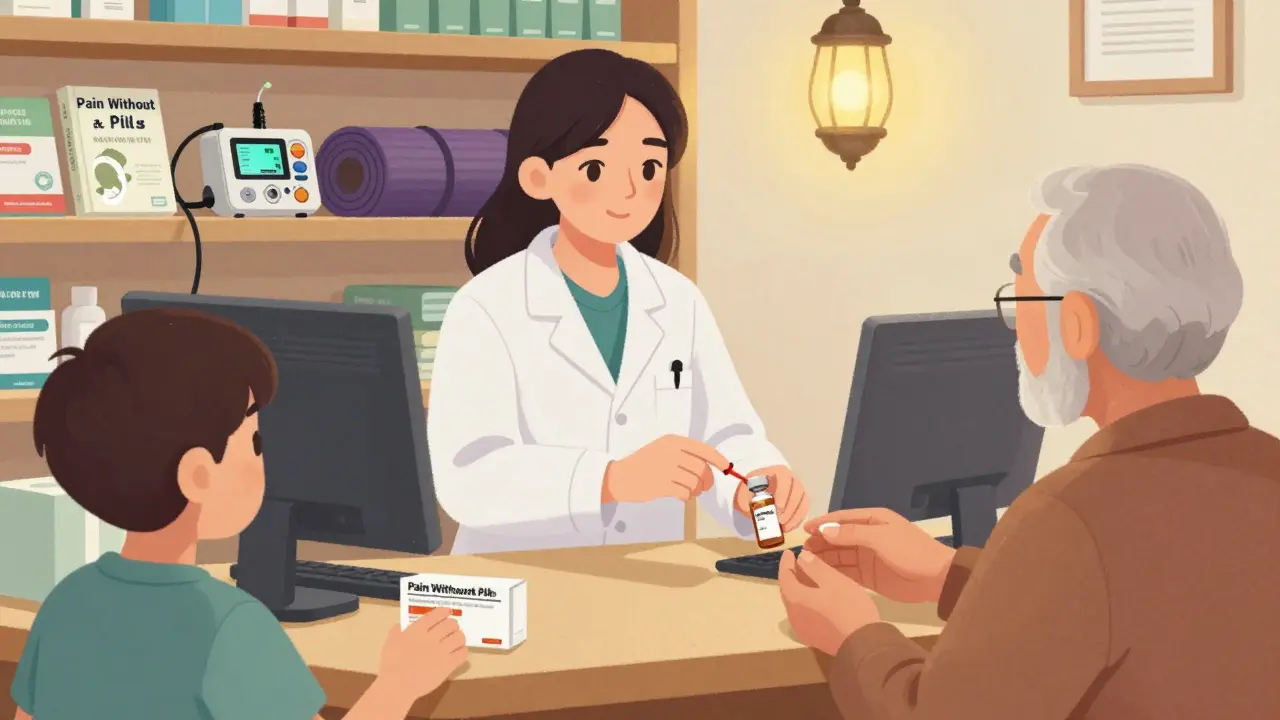
Meanwhile, naloxone is now more widely available. Pharmacies in many states can hand it out without a prescription. Community programs train family members to use it. That’s saving lives.
What Patients Should Ask Their Doctor
If you’re being offered opioids for pain, ask these questions:
- Are there other treatments I haven’t tried yet?
- What’s the lowest dose I can take for the shortest time?
- Will I get naloxone with this prescription?
- How will we know if this is working - and when should we stop?
- What happens if I miss a dose or feel like I need more?
There’s no shame in asking. The goal isn’t to avoid opioids forever - it’s to use them wisely, only when they truly help, and to get off them safely when they don’t.