
Patient Communication for NTI Generic Switches: Key Talking Points
 Feb, 4 2026
When a patient's blood thinner switches from brand to generic, even a tiny change in dosage can cause dangerous bleeding or clotting. But many healthcare providers aren't sure what to discuss. Narrow Therapeutic Index drugs require precise dosing and careful monitoring. These medications have a very small range between effective and toxic levels. Small changes can lead to treatment failure or severe side effects. This is why clear communication during generic switches is critical.
What Are NTI Drugs and Why Do They Matter?
Narrow Therapeutic Index (NTI) drugsMedications where even small differences in dose can lead to serious side effects or treatment failure. These drugs have a very tight therapeutic window between safe and effective levels. Examples include warfarin for blood clots, levothyroxine for thyroid issues, phenytoin for seizures, and digoxin for heart conditions. For warfarin, the target INR range is usually 2-3. If levels drop below 2, blood clots can form. If they rise above 3, dangerous bleeding may occur. Levothyroxine has a similar narrow range-too little won't control hypothyroidism, too much can cause heart problems. The FDA has set stricter bioequivalence standards for these drugs than for regular generics. Instead of the usual 80%-125% range, NTI drugs must stay within 90.00%-111.11% for both absorption and peak levels. This ensures consistent performance.
Many healthcare providers and patients still worry about switching to generics. A 2017 survey found only 60% of pharmacists consistently substituted generic NTI drugs despite 87% believing they're equally effective. This confusion often comes from outdated information or fear of side effects. But the FDA confirms that approved generic NTI drugs are safe and effective when substituted correctly. The key is proper communication and monitoring.
Why Patient Communication Is Critical
Imagine a patient on levothyroxine for years. They switch to a generic version without any discussion. If their thyroid levels drop too low, they might feel tired and gain weight. If levels spike too high, they could experience heart palpitations. Without clear communication about these risks, patients may not recognize symptoms or know when to seek help. This is why talking through the switch is essential.
The FDA's 2022 guidance emphasizes that providers should "discuss with patients the importance of consistent monitoring after any switch between brand and generic versions of NTI drugs." For warfarin, this means checking INR within 3-5 days post-switch. For phenytoin, serum levels should be checked within 7-10 days. Missing these checks can lead to serious issues. A 2020 study in the Journal of Managed Care found patients who received personalized education from pharmacists had 28% fewer medication-related problems. Clear communication directly impacts safety.
Key Points to Discuss with Patients
When switching a patient to a generic NTI drug, cover these specific topics:
- Therapeutic window explanation: Use simple analogies. "This medicine works best within a very narrow range. Too little might not work, too much could be harmful. We'll monitor closely to keep you safe."
- Monitoring requirements: "For your warfarin, we'll check your INR in 3-5 days. For phenytoin, we'll do a blood test in 7-10 days. Please keep these appointments."
- State-specific laws: "In [state], we need your written consent before switching. I'll explain why this is required." (14 states require affirmative consent as of 2024.)
- Addressing fears: "Yes, the generic has the exact same medicine. It's been tested to work just as well. I prescribe it for my own family." This builds trust better than just citing facts.
- Signs to watch for: "If you notice unusual bruising, fatigue, or seizures, call us immediately. These could mean your levels are off."
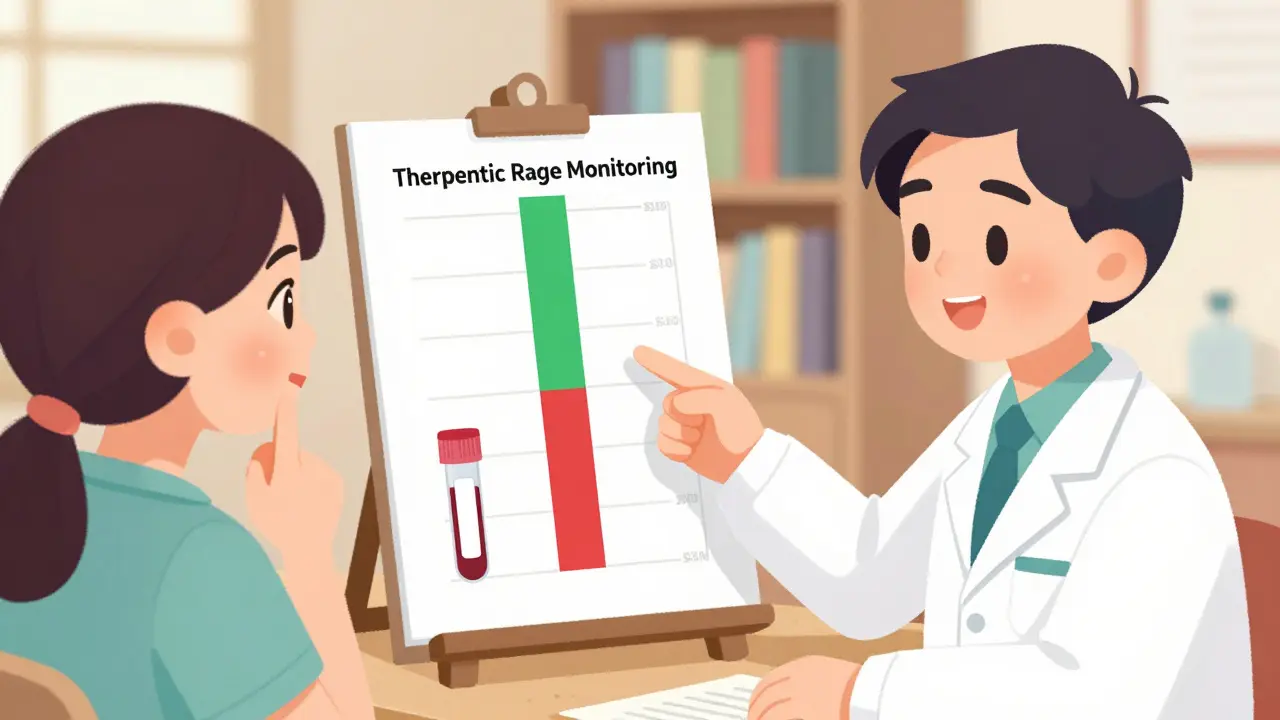
Visual aids help too. A 2023 survey found pharmacists using visual tools had 42% higher patient adherence. Show a chart of the therapeutic range or demonstrate how to take the medication correctly.
Practical Steps for Healthcare Providers
Follow these steps during the switch:
- Check state laws: 27 states have specific NTI drug substitution rules. In California, you need written consent. In Texas, substitution is automatic unless the patient objects. Always verify your state's requirements.
- Use the teach-back method: Ask the patient to explain in their own words what they need to do. "Can you tell me when we'll check your INR?" If they're unsure, re-explain.
- Document the conversation: Note "Patient counseled on therapeutic equivalence, advised of monitoring needs, provided educational materials." This protects you legally and ensures continuity of care.
- Provide written materials: The FDA's 2021 patient education materials are available in 12 languages. These help reinforce your verbal instructions.
- Coordinate with pharmacists: Ensure the pharmacy knows to monitor the patient. Pharmacists in states with NTI laws must follow specific protocols, like requiring consent before dispensing.
The American Pharmacists Association's 2024 guidelines recommend a minimum 10-minute counseling session for NTI drug substitutions. This includes verifying patient understanding and demonstrating proper administration techniques.
Real-World Scenarios: What Happens When Communication Fails
Consider a 68-year-old patient switching from brand to generic phenytoin. The doctor didn't discuss monitoring, and the patient didn't realize they needed a blood test. Within two weeks, they had a seizure. A follow-up test showed phenytoin levels had dropped below the therapeutic range. Had the doctor explained the need for testing and the signs to watch for, this could have been prevented.
Another case: a patient on warfarin switched to a generic version without INR checks. Their INR spiked to 5.0, causing internal bleeding. They were hospitalized. This happened because neither the provider nor the patient knew to check levels after the switch. Proper communication would have caught this early.
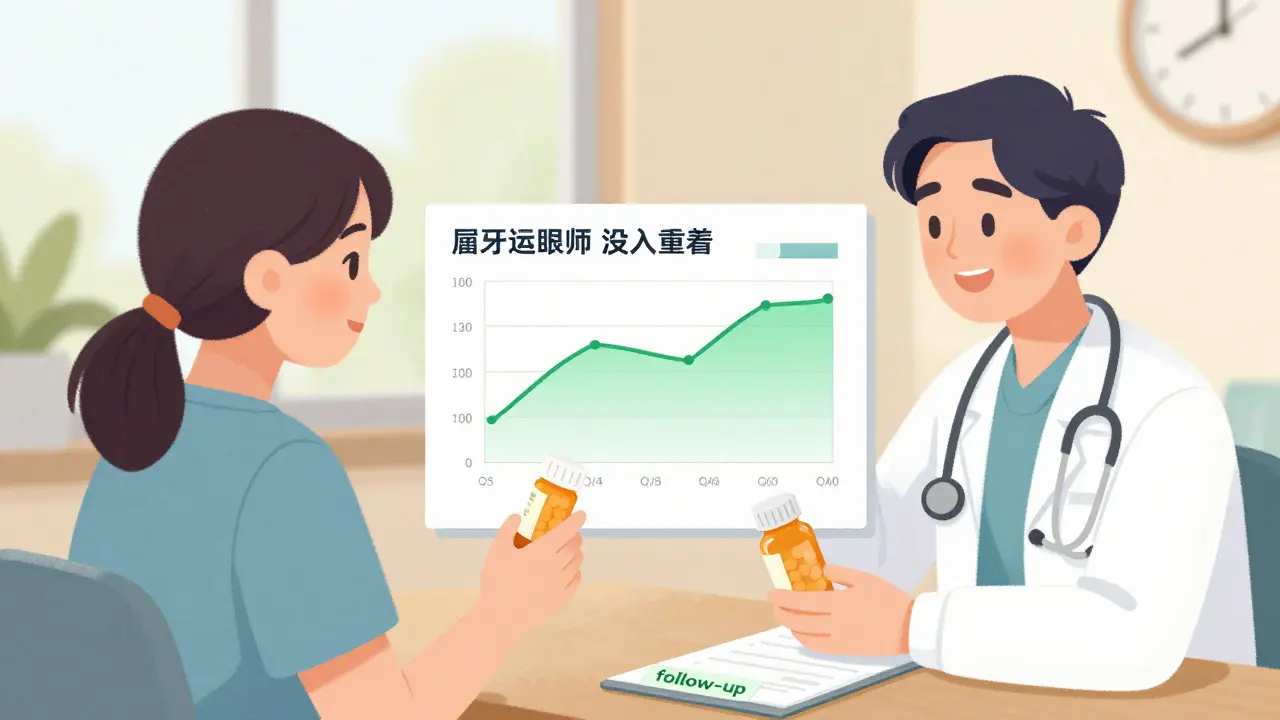
On the flip side, a patient on levothyroxine switched to generic with clear instructions. The pharmacist used visual aids to explain the therapeutic window and scheduled a follow-up test. Levels remained stable, and the patient reported no issues. This shows how effective communication prevents problems.
Addressing Common Patient Concerns
Patients often have these worries:
- "Is the generic really the same?" "Yes. All FDA-approved generics must meet the same strict standards as brand drugs. For NTI drugs, the testing is even more rigorous. The generic you're taking has been proven to deliver the same amount of medicine into your bloodstream as the brand version."
- "Why do I need extra tests?" "Because these medications work within a very narrow range. Even small differences in absorption can affect your levels. Monitoring ensures we catch any changes early before they cause problems."
- "Can I switch back if I have side effects?" "Absolutely. If you notice any unusual symptoms like dizziness, fatigue, or seizures, contact us immediately. We can switch you back or adjust your dose."
- "Why do some doctors say not to switch?" "Some providers may have outdated concerns. The FDA and major medical groups confirm that generic NTI drugs are safe when used correctly. Always discuss this with your current provider to get the latest information."
Remember: Your role as a healthcare provider is to be a trusted advisor, not just a source of facts. Saying "I prescribe this for my own family" builds more trust than quoting statistics.
Frequently Asked Questions
Can I switch my warfarin to a generic version without issues?
Yes, FDA-approved generic warfarin is considered therapeutically equivalent to the brand version. However, your healthcare provider will likely monitor your INR levels more closely for the first few weeks after switching. Always report any unusual bruising or bleeding to your doctor immediately.
What should I do if I notice side effects after switching to a generic NTI drug?
Contact your healthcare provider right away. For drugs like warfarin, phenytoin, or levothyroxine, side effects may indicate levels are outside the therapeutic range. Do not stop taking the medication without consulting your provider. They may need to adjust your dose or switch back to the brand version.
Do all states allow automatic substitution of NTI generic drugs?
No. As of 2024, 27 states have specific laws regarding NTI drug substitution. Fourteen states require written patient consent before switching, while others have varying requirements. Always check your state's regulations before making a substitution.
How long should I monitor a patient after switching an NTI drug?
Monitoring timelines vary by drug. For warfarin, check INR within 3-5 days. For phenytoin, check serum levels within 7-10 days. Levothyroxine typically requires TSH testing within 4-6 weeks. Always follow your provider's specific guidance based on the patient's condition.
Why are some pharmacists hesitant to substitute generic NTI drugs?
Some pharmacists, especially those with more experience, may have concerns based on older data or isolated cases. However, FDA studies show that approved generic NTI drugs meet strict bioequivalence standards. The 2017 survey found pharmacists with over 20 years of experience were 37% less likely to substitute generics than newer pharmacists. Ongoing education helps address these gaps in knowledge.
Cullen Bausman
February 4, 2026 AT 21:48American drugs are safer. Foreign generics are risky. FDA standards are not enough. We need better oversight.
Cole Streeper
February 5, 2026 AT 06:28The FDA is in on it. They're pushing generics to kill Americans. I've seen it happen. It's all about profit.
Dina Santorelli
February 5, 2026 AT 20:13The studies are flawed. They don't account for real-world conditions. This is why people die.
Nancy Maneely
February 6, 2026 AT 17:34I can't believe this. The FDA is just trying to save money. Its a scam. Patients are getting hurt. I saw it happen to my aunt. She had a stroke because of the generic.
Phoebe Norman
February 7, 2026 AT 12:10Therapeutic window critical for NTI drugs
Suboptimal bioequivalence leads to adverse events
Monitoring essential
Danielle Vila
February 8, 2026 AT 09:57Big Pharma is pushing generics because they're cheaper. They don't care about patients. I know this for a fact. They're in cahoots with the FDA. I've read the documents. It's all about money. They don't care about us.
Thorben Westerhuys
February 9, 2026 AT 14:32This is so important! I can't believe how many people don't understand this! It's critical to monitor patients! They need to know the risks! Don't ignore this!
Laissa Peixoto
February 10, 2026 AT 13:42It's interesting how the FDA has stricter standards for NTI drugs. But we still need better communication. Maybe we should consider the patient's perspective more. Education is key.
Elliot Alejo
February 10, 2026 AT 18:57Collaboration between doctors and pharmacists is key. We need clear protocols. This is a solvable problem with teamwork.
Andre Shaw
February 11, 2026 AT 02:29Most doctors don't know what they're talking about. The real issue is the FDA's lax standards. I've been studying this for years. The generics are unsafe. They're not the same.
Jennifer Aronson
February 12, 2026 AT 20:58Interesting perspective. In other countries, they handle this differently. But I think the key is education for both providers and patients.
Samantha Beye
February 12, 2026 AT 22:32Hey, if you're switching, just make sure to check in with your doctor. A quick call can prevent big problems. You've got this!
one hamzah
February 13, 2026 AT 02:42Hey! generics are safe! 😊 FDA has strict rules. Just monitor and talk to docs. We can do this! 💪
Carl Crista
February 13, 2026 AT 20:38FDA is lying. They don't test generics properly. It's all about profit. They don't care about you.
Joyce cuypers
February 14, 2026 AT 18:32Monitor closely.