
Polycystic Kidney Disease: Understanding the Genetics and Managing Symptoms
 Jun, 9 2026
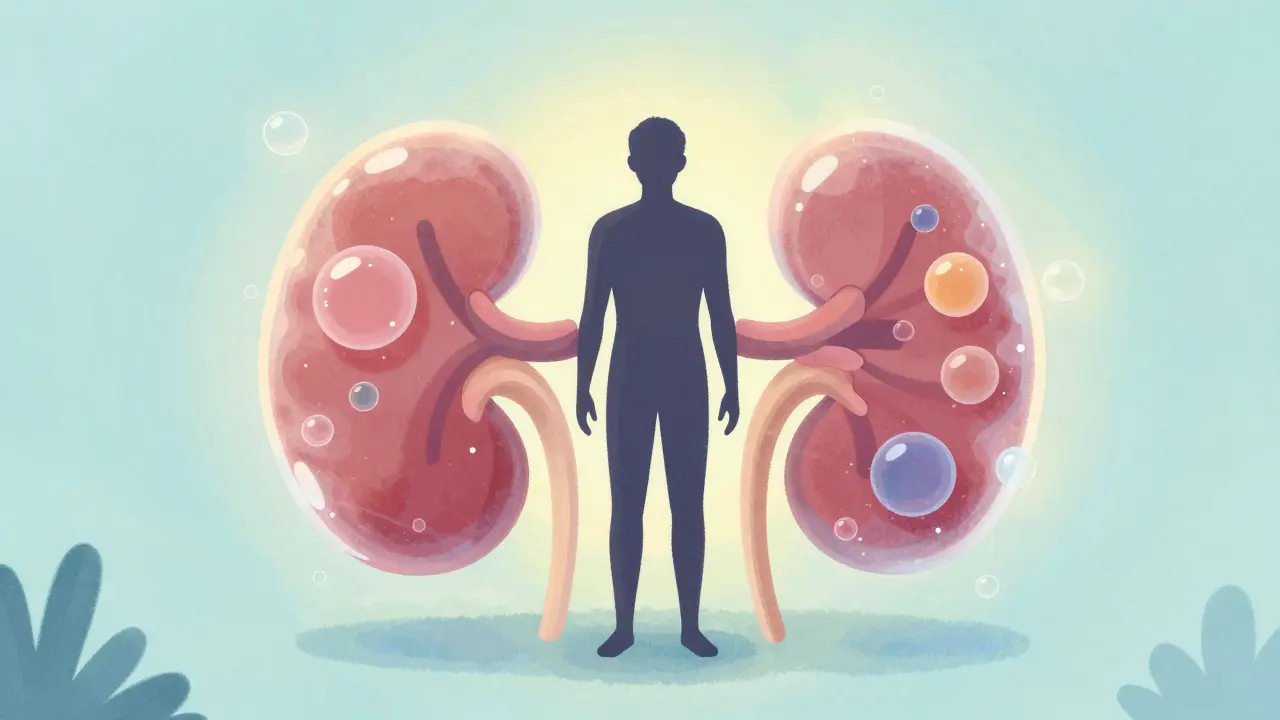
Imagine your kidneys growing until they weigh as much as a large bag of cement. For people with Polycystic Kidney Disease, also known as PKD, this isn't just a metaphor-it's a physical reality that can develop over decades. This genetic disorder causes fluid-filled sacs, or cysts, to grow in the kidneys, slowly replacing healthy tissue and impairing function. While it might sound terrifying, understanding how PKD works and what modern medicine offers can turn fear into a manageable plan.
You are not alone in this. Approximately 500,000 people in the United States live with PKD, making it one of the most common inherited kidney disorders. But here is the good news: we know exactly which genes cause it, we have drugs that can slow its progression, and we have clear strategies to protect your health for years to come. Let’s break down what you need to know about the genetics, the symptoms, and the real-world management of this condition.
The Two Faces of Polycystic Kidney Disease
When doctors talk about PKD, they are usually referring to one of two distinct types. Knowing which one affects you-or your family-is crucial because their timelines and severities differ significantly.
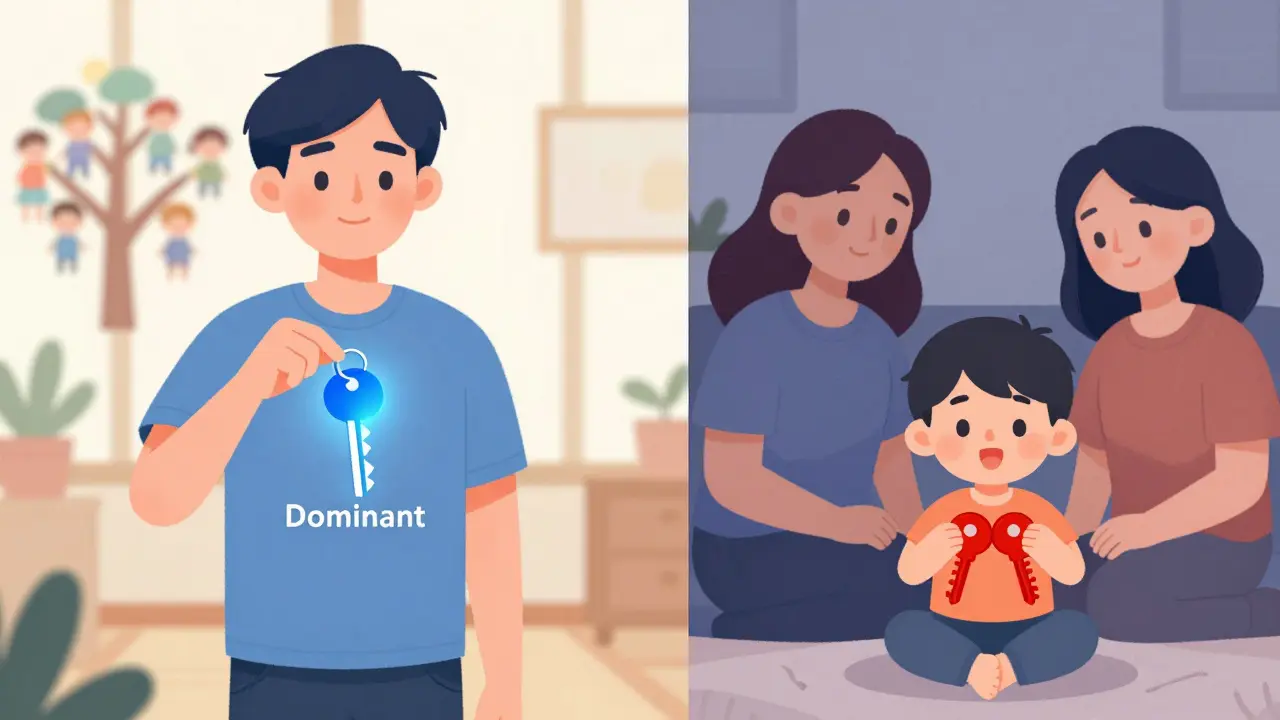
Autosomal Dominant Polycystic Kidney Disease (ADPKD) is the most common form, accounting for more than 98% of all cases. It typically strikes adults between the ages of 30 and 40. You only need to inherit one mutated gene copy from a parent to get it. About 10% of cases happen spontaneously, meaning no family history exists. If you have ADPKD, there is a 50% chance you will pass it on to each of your children.
Autosomal Recessive Polycystic Kidney Disease (ARPKD) is a much rarer and often more severe form that appears in infancy or early childhood. For a child to have ARPKD, both parents must be carriers of the mutated gene. Each pregnancy carries a 25% chance of the child having the disease, a 50% chance of being an unaffected carrier, and a 25% chance of being completely unaffected.
| Feature | ADPKD (Dominant) | ARPKD (Recessive) |
|---|---|---|
| Prevalence | 1 in 400-1,000 people | 1 in 20,000 people |
| Typical Onset | Ages 30-40 (Adults) | Birth or Early Childhood |
| Inheritance Risk | 50% if one parent has it | 25% if both parents are carriers |
| Primary Gene | PKD1 or PKD2 | PKHD1 |
| Kidney Size Impact | Gradual enlargement over decades | Rapid enlargement in infancy |
The Genetic Blueprint: What Goes Wrong?
To manage PKD, you have to understand the root cause. It comes down to specific genes that act like instruction manuals for building kidney cells. When these instructions contain errors, cells don’t behave normally; instead, they leak fluid and form cysts.
In ADPKD, the troublemakers are usually the PKD1 or PKD2 genes. The PKD1 mutation accounts for about 78% of cases and tends to cause more severe symptoms earlier in life. The PKD2 mutation makes up about 15% of cases and generally progresses more slowly. Interestingly, research suggests that while one bad copy starts the disease, a second "hit" or mutation in the other copy of the gene can accelerate cyst growth. This explains why two people with the same diagnosis might experience very different rates of decline.
For ARPKD, the issue lies in the PKHD1 gene. This mutation disrupts the development of the kidney’s tubules during fetal growth, leading to widespread cyst formation before birth. Because this type affects infants, it often requires immediate medical intervention for breathing and kidney support.
Recognizing the Signs: Beyond Back Pain
Many people assume PKD is silent until kidney failure hits, but that’s not entirely true. Symptoms often creep in gradually, and catching them early can save your kidneys years of stress.
- Hypertension: High blood pressure is often the first sign, especially in younger patients. In fact, nearly 90% of ADPKD patients report hypertension as a major complication. Uncontrolled high blood pressure speeds up cyst growth, creating a vicious cycle.
- Pain: Chronic pain is reported by 78% of patients as their most challenging symptom. As kidneys enlarge-sometimes weighing up to 30 pounds-they press against surrounding organs, causing dull aches in the back, side, or abdomen.
- Urinary Issues: Blood in the urine (hematuria) can occur when a cyst bleeds. Frequent urination may also signal bladder irritation from enlarged kidneys.
- Kidney Stones and Infections: Cysts can trap bacteria, leading to recurrent kidney infections. They also increase the risk of forming kidney stones, which add another layer of pain and complexity.
- Headaches: These aren’t just from stress. People with PKD have a higher risk of developing cysts in the liver and aneurysms in brain arteries, both of which can cause headaches.
If you have a family history of PKD, don’t wait for pain to start screening. Early detection allows for proactive blood pressure control, which is the single most effective way to delay disease progression.
Modern Management: Slowing the Clock
For decades, doctors could only watch PKD progress and treat complications as they arose. That changed in 2018 with the FDA approval of Tolvaptan (brand name Jynarque). This was a game-changer. Tolvaptan is a vasopressin receptor antagonist, meaning it blocks a hormone that promotes fluid retention and cyst growth. Clinical trials showed it slows the decline of kidney function by approximately 1.3 mL/min/year. While it doesn’t cure PKD, it buys time-potentially delaying dialysis by several years.
However, tolvaptan isn’t for everyone. It’s approved specifically for rapidly progressing ADPKD. The cost is significant (around $115,000 annually), and it requires careful monitoring of liver enzymes and water intake, as it can cause excessive thirst and urination.
Beyond medication, lifestyle and standard care remain pillars of management:
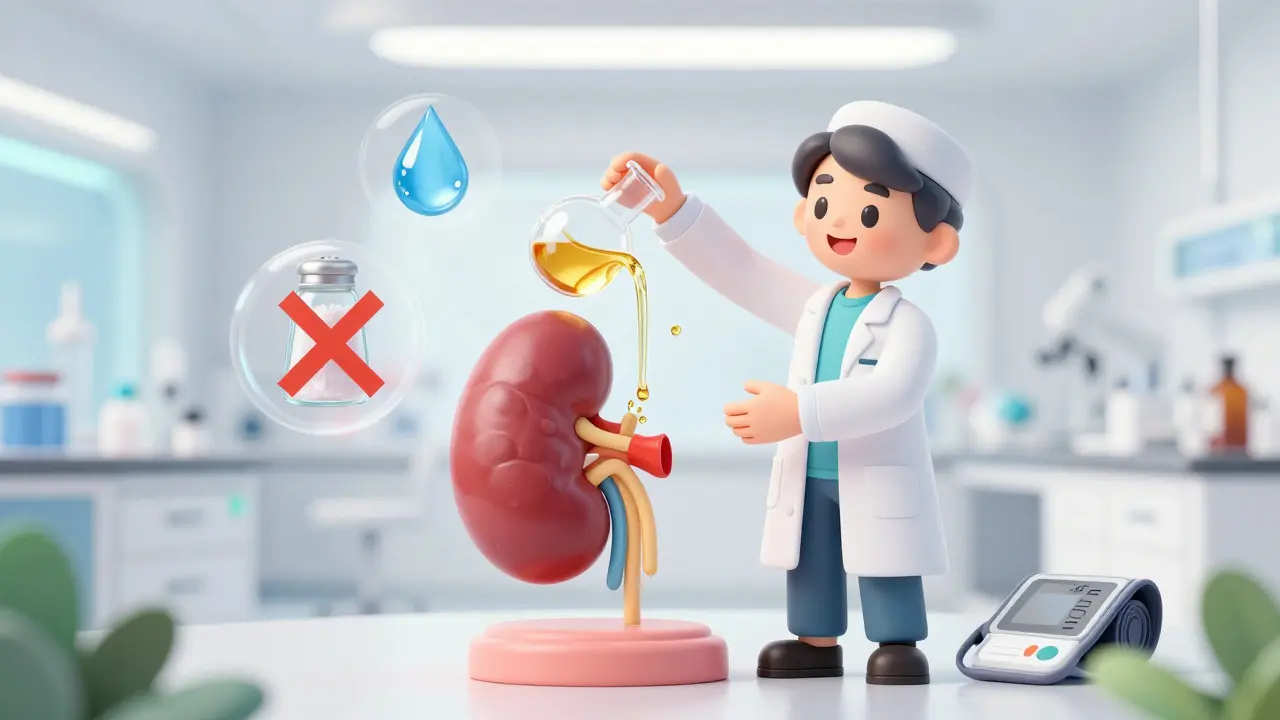
- Blood Pressure Control: Target levels below 130/80 mmHg are recommended. ACE inhibitors or ARBs are often the first line of defense. Recent studies suggest even tighter control (below 110/75 mmHg) might further slow kidney volume growth, though this should be discussed with your nephrologist.
- Dietary Adjustments: Limiting sodium helps control blood pressure. Some evidence suggests reducing caffeine intake may slow cyst growth, as caffeine can stimulate cell proliferation in kidney tissues.
- Hydration: Staying well-hydrated suppresses vasopressin naturally. Drinking enough water to keep urine pale yellow is a simple, free strategy that supports kidney health.
- Regular Monitoring: Annual eGFR (estimated glomerular filtration rate) tests track kidney function. Imaging via MRI or ultrasound measures total kidney volume, which correlates with disease progression.
Living with PKD: Emotional and Practical Realities
Managing a chronic genetic condition takes a toll. Surveys show that 63% of PKD patients report anxiety about eventual kidney failure. The uncertainty is heavy. Will I need a transplant? Will my children inherit this?
Genetic counseling can provide clarity. Testing costs around $1,200 and can confirm diagnoses, guide family planning, and help identify at-risk relatives early. Knowing your status empowers you to take control of your health rather than waiting for symptoms.
Community support is also vital. Connecting with others who understand the daily challenges-from managing pain to navigating insurance for expensive medications-can reduce isolation. Many patients find that starting aggressive blood pressure control in their late 20s or early 30s keeps their kidney function stable well into middle age.
The Future of PKD Treatment
Research is moving fast. New therapies targeting different molecular pathways are in Phase 3 trials. Lixivaptan, another vasopressin antagonist, aims to offer similar benefits with potentially fewer side effects. Bardoxolone methyl, which targets oxidative stress and inflammation, showed promise in improving eGFR in recent studies. While there is still no cure, the pipeline of treatments gives hope for even better outcomes in the coming decade.
Is Polycystic Kidney Disease hereditary?
Yes, PKD is primarily a genetic disorder. ADPKD is autosomal dominant, meaning if one parent has it, each child has a 50% chance of inheriting it. ARPKD is autosomal recessive, requiring both parents to carry the gene mutation for a child to develop the disease.
What is the life expectancy with Polycystic Kidney Disease?
Life expectancy varies widely depending on the severity and management of the disease. About 50% of ADPKD patients develop kidney failure by age 60, but many live normal lifespans thanks to effective treatments like dialysis and transplantation. Early intervention with blood pressure control and tolvaptan can significantly delay kidney failure.
Can diet affect the progression of PKD?
Yes. A low-sodium diet helps control blood pressure, which is critical for slowing cyst growth. Some studies suggest limiting caffeine may also help, as it can promote cell division in kidney cysts. Staying hydrated is also essential to suppress vasopressin levels naturally.
What are the side effects of Tolvaptan (Jynarque)?
Common side effects include frequent urination, excessive thirst, and dry mouth. More serious risks involve potential liver damage, so regular liver enzyme monitoring is required. Patients must drink plenty of water to avoid dehydration while on this medication.
How is PKD diagnosed?
Diagnosis typically involves imaging tests like ultrasound, CT, or MRI to detect cysts in the kidneys. For adults with a family history, finding at least 10 cysts is often sufficient for diagnosis. Genetic testing can confirm the specific gene mutation (PKD1, PKD2, or PKHD1) and is useful for family planning or unclear cases.
Callie Skipper
June 10, 2026 AT 23:29honestly the part about kidneys weighing as much as cement really puts things in perspective. makes you appreciate your own health a bit more i guess
Miranda River
June 12, 2026 AT 06:37look, its not that hard to understand genetics if you actually paid attention in school but here we are explaining it like everyone is stupid. the whole concept of dominant vs recessive is basic biology 101 stuff. people always forget that just because something is hereditary doesnt mean its inevitable destiny or whatever dramatic nonsense they post online. also why do doctors use such fancy words when simple ones work fine? its almost like they want to confuse us. anyway, the drug sounds expensive which is typical for these miracle cures that dont actually cure anything. just manage symptoms and take the money run.
Hailey Dunston
June 13, 2026 AT 11:20I must disagree with the notion that this article simplifies things adequately. It seems to cater to the lowest common denominator rather than addressing the nuanced molecular pathways involved in cystogenesis. :/ One cannot simply dismiss the complexity of PKD1 versus PKD2 mutations as 'basic' without acknowledging the profound differences in phenotypic expression and progression rates. Furthermore, suggesting that hydration is merely a 'simple strategy' ignores the intricate balance of vasopressin regulation required to prevent adverse outcomes. It is quite pretentious to assume that laypeople can grasp these subtleties from a blog post. The reality is far more complex and requires specialized knowledge to navigate effectively. We should not trivialize serious medical conditions with oversimplified advice.
Brandon Brodsky
June 13, 2026 AT 13:02Oh wow, another day another genetic doom scroll. Just what I needed to ruin my morning coffee. Thanks for the scare tactics though.
Christina S.
June 13, 2026 AT 15:22I know how scary this can be so please remember that early detection is key. If you have a family history don't wait until you feel pain. Talk to your doctor about screening options now. You are stronger than you think and there are real treatments available today that weren't around even ten years ago. Stay proactive and keep fighting!
Ganesh Honikol
June 14, 2026 AT 12:59It is truly fascinating to observe the intricate mechanisms by which genetic mutations manifest in such distinct physiological outcomes, particularly when considering the differential impacts of autosomal dominant versus autosomal recessive inheritance patterns on renal function over time. :D The introduction of Tolvaptan represents a significant milestone in nephrology, yet one must remain cautious regarding the potential hepatotoxicity associated with its use, necessitating rigorous monitoring protocols that are often overlooked in general discussions. Moreover, the emphasis on blood pressure control cannot be overstated, as hypertension serves as both a symptom and a catalyst for further cyst expansion, creating a feedback loop that exacerbates the underlying pathology. Patients should engage in comprehensive lifestyle modifications, including dietary sodium restriction and adequate hydration, to support pharmacological interventions and potentially delay the onset of end-stage renal disease. Genetic counseling remains an essential component of care, providing individuals with the information necessary to make informed decisions about family planning and preventive health measures. Ultimately, a multidisciplinary approach involving nephrologists, geneticists, and dietitians offers the best chance for optimizing long-term outcomes and improving quality of life for those affected by this challenging condition.
Emily Barnhill
June 15, 2026 AT 19:55Stop spreading fear mongering and start focusing on actionable steps. If you are reading this and have PKD you need to get your blood pressure under control immediately. Do not ignore the signs. Get tested. Know your status. This is not a game and pretending otherwise helps no one. Take responsibility for your health right now before it is too late. The resources are there if you actually look for them instead of complaining online.
AnneKatherine Stiekes
June 17, 2026 AT 19:07its interesting how different people react to this info some get scared others get motivated. i think its good to have all perspectives represented here. maybe we can learn from each other experiences and find ways to support those who are struggling with diagnosis or management. community matters a lot in chronic illness journeys