
Psychiatric Medications: Class Interactions and Dangerous Combinations
 Mar, 14 2026
Psychiatric Medication Interaction Checker
This tool helps identify dangerous interactions between psychiatric medications based on clinical guidelines. Select medications from the dropdowns to check for potential risks. Note: This tool is for educational purposes only and should not replace professional medical advice.
Select two medications to check for potential interactions.
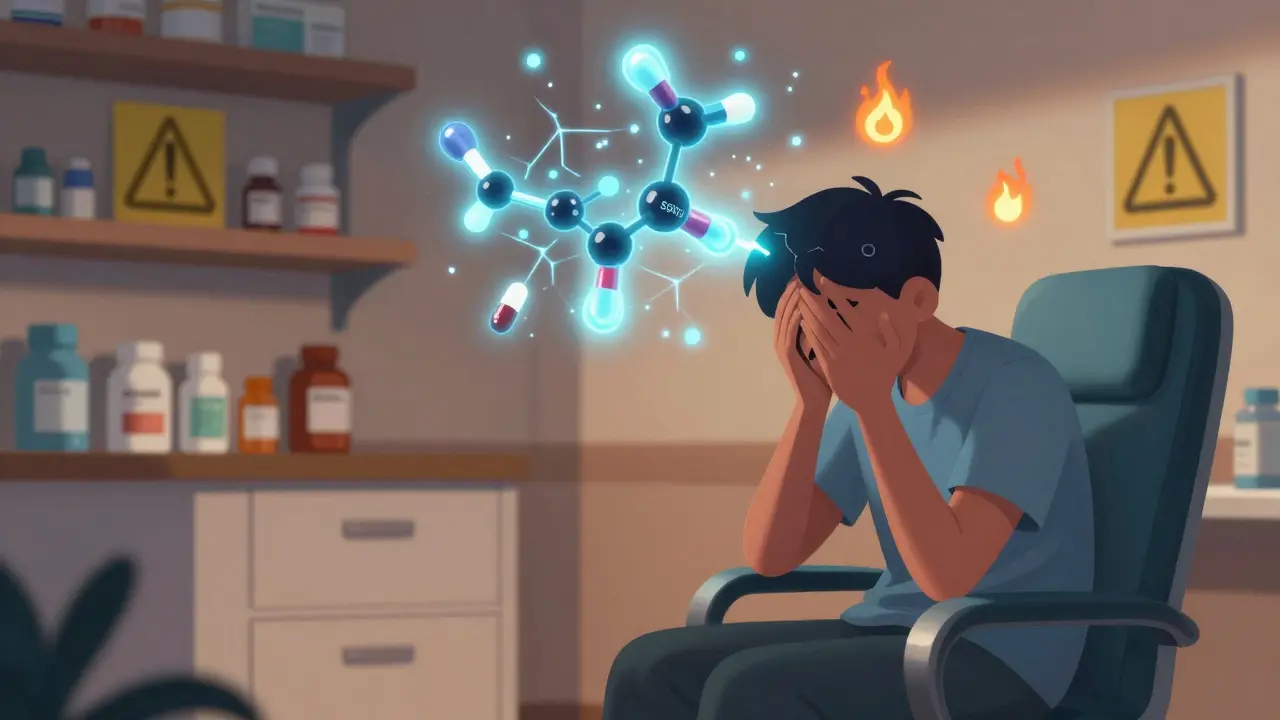
When someone is taking more than one psychiatric medication, the risk of dangerous interactions doesn’t just go up-it can spike unexpectedly. Many people assume that if a doctor prescribed both drugs, they must be safe together. But that’s not always true. Some combinations can cause life-threatening reactions, even when taken exactly as directed. The real danger often comes from serotonin syndrome, a condition that can develop when two or more drugs overstimulate the brain’s serotonin system. This isn’t rare. It’s one of the most common causes of preventable hospitalizations in psychiatric care.
How Serotonin Syndrome Happens
Serotonin is a brain chemical that helps regulate mood, sleep, and digestion. But too much of it-especially when two drugs push levels higher at the same time-can trigger a cascade of symptoms. These include confusion, rapid heartbeat, high blood pressure, muscle rigidity, fever, and seizures. In severe cases, it can be fatal. Mortality rates for serious serotonin syndrome range from 2% to 12%, according to The Black Book of Psychotropic Dosing and Monitoring (2021).The most dangerous combo? SSRIs and MAO inhibitors. SSRIs like fluoxetine (Prozac) or sertraline (Zoloft) are common antidepressants. MAO inhibitors like phenelzine (Nardil) or tranylcypromine (Parnate) are older, less used, but still prescribed for treatment-resistant depression. When taken together, they can cause serotonin levels to skyrocket. Even a single dose of an SSRI after stopping an MAOI can trigger symptoms. That’s why doctors require a 14-day washout period between these drugs-no exceptions.
It’s not just MAOIs. Other drugs can also push serotonin too high. Tramadol, a painkiller, has strong serotonergic effects. Dextromethorphan, found in many cough syrups, can do the same. Even supplements like St. John’s Wort or tryptophan can add fuel to the fire. The combination of an SSRI with any of these is a red flag.
Other High-Risk Combinations
Not all dangerous interactions involve serotonin. Some affect the heart, liver, or brain function in ways that aren’t obvious until it’s too late.
TCAs and anticholinergic drugs-like diphenhydramine (Benadryl) or certain antipsychotics-can cause extreme dry mouth, blurred vision, urinary retention, and dangerously slow heart rates. The risk goes up sharply when combined with alcohol, which adds sedation and lowers blood pressure. This combo can lead to falls, fainting, or even cardiac arrest in older adults.
Lithium and NSAIDs is another high-risk pair. Lithium is used for bipolar disorder, and its therapeutic window is razor-thin: 0.6 to 1.0 mmol/L. Too much, and you get tremors, confusion, kidney damage, or seizures. NSAIDs like ibuprofen or naproxen can raise lithium levels by 25-50%, according to The Black Book of Psychotropic Dosing and Monitoring (2021). A patient taking lithium for years might suddenly start feeling sick after picking up a bottle of Advil for a headache. That’s not coincidence-it’s a drug interaction.
Antipsychotics and anticholinergics can lead to a dangerous buildup of anticholinergic effects: constipation, heat intolerance, memory problems. When combined with drugs like oxybutynin (for overactive bladder) or certain antihistamines, the risk of delirium increases, especially in elderly patients.
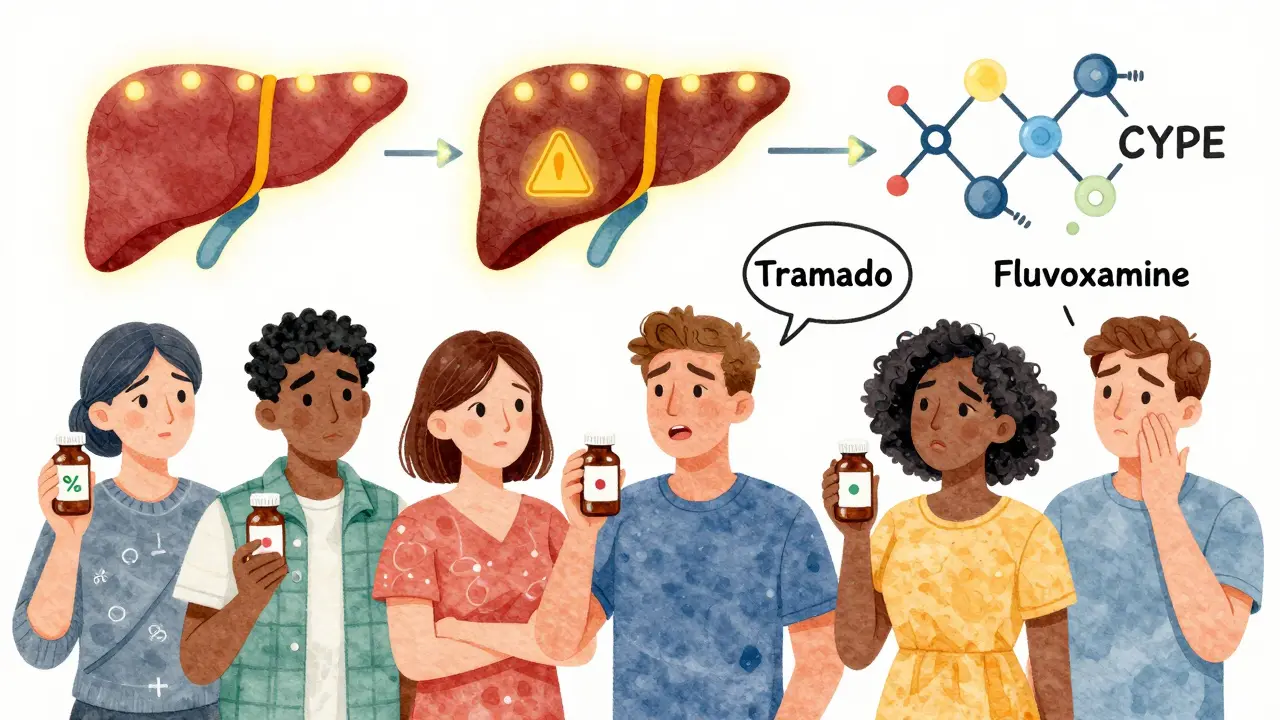
Fluvoxamine and other CYP enzyme inhibitors are another hidden threat. Fluvoxamine, an SSRI, is one of the strongest inhibitors of liver enzymes CYP1A2, CYP2C19, and CYP3A4. This means it can drastically increase levels of other drugs metabolized by those enzymes. For example, it can raise clozapine (an antipsychotic) levels by over 300%, increasing the risk of seizures and low white blood cell counts. It can also boost the effects of caffeine, theophylline, and even some blood thinners like warfarin, raising INR values by 20-30% and increasing bleeding risk.
Why New Combinations Are the Most Dangerous
Most serious interactions don’t happen after months or years of taking the same meds. They happen within hours or days of adding a new drug. That’s why the first dose is the most critical moment. The American Association of Psychiatric Pharmacists (AAPP) recommends that patients starting a new combination be observed for at least 2-4 hours after the first dose. Follow-up within 7-10 days is non-negotiable.
Think about this: a patient on sertraline for depression is prescribed a new medication for anxiety. The doctor doesn’t check for interactions. The patient starts both on the same day. Within 36 hours, they feel dizzy, nauseous, and their muscles feel stiff. They think it’s just side effects. But it’s serotonin syndrome. By the time they go to the ER, they’re running a fever of 103°F. That’s preventable.
That’s why the first-dose monitoring rule exists. It’s not just a suggestion. It’s a safety standard. And it’s often ignored.
Monitoring and Prevention
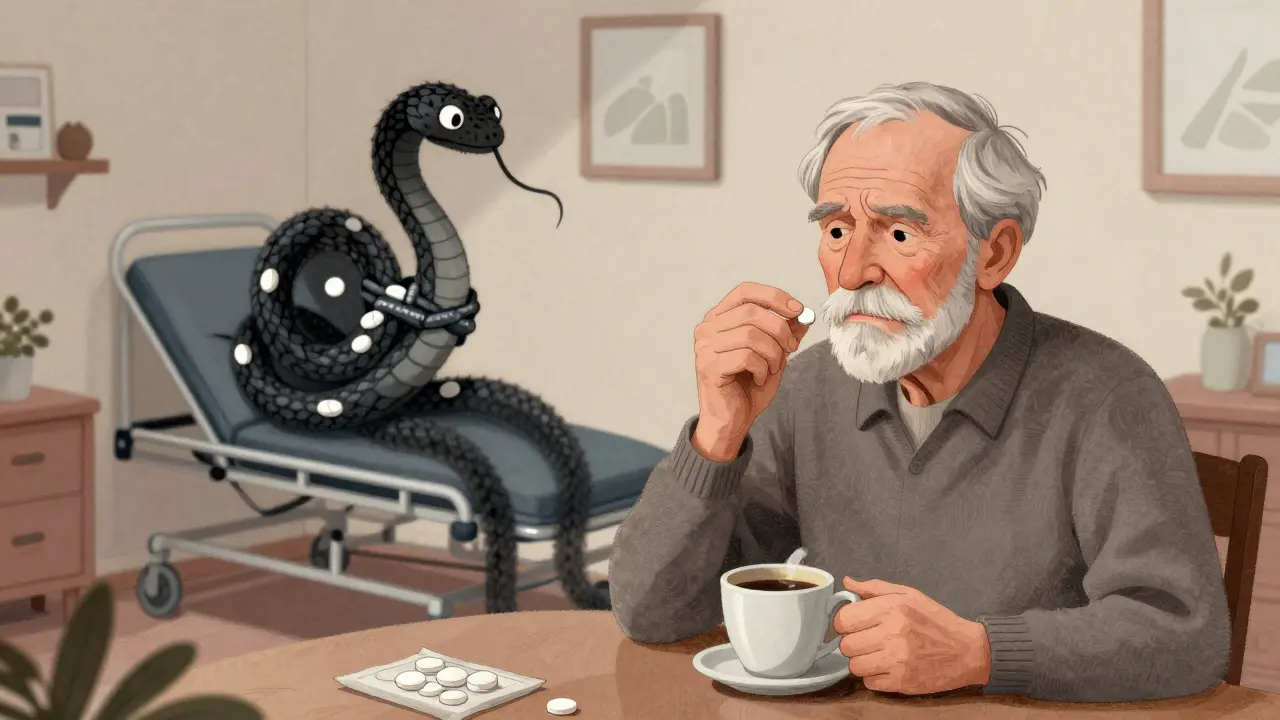
Safe prescribing isn’t about guessing. It’s about tracking. Here’s what works:
- Use standardized tools: The PHQ-9 for depression, GAD-7 for anxiety, and AIMS for movement disorders (especially with antipsychotics). These aren’t just paperwork-they’re early warning systems.
- Check liver and kidney function: Lithium, valproate, and clozapine all need regular blood tests. Lithium levels should be checked every 3-6 months, but more often if other drugs are added. Liver enzymes should be monitored every 3 months for valproate. Clozapine requires weekly blood counts for the first 6 months.
- Watch for INR changes: If someone on warfarin starts an SSRI like fluoxetine or fluvoxamine, check INR weekly for the first month. A jump from 2.0 to 4.0 can mean internal bleeding.
- Know your CYP enzymes: Fluvoxamine? Avoid it with clozapine or theophylline. Sertraline and citalopram? Safer choices if polypharmacy is needed.
There’s also growing use of pharmacogenomic testing-blood tests that show how your body processes drugs. For example, if someone is a poor metabolizer of CYP2D6, they’re at higher risk of side effects from certain antidepressants or antipsychotics. The Clinical Pharmacogenetics Implementation Consortium (CPIC) released updated guidelines in 2022 to help doctors use this data. It’s not perfect, but it’s a step toward personalized safety.
What Patients Should Do
You don’t have to be a doctor to protect yourself. Here’s what you can do:
- Always tell your prescriber about every medication, supplement, or OTC drug you take-even if you think it’s harmless.
- Ask: “Could this new drug interact with what I’m already taking?”
- Keep a written list of all your meds, including dosages and times taken.
- If you start a new drug and feel strange-dizzy, hot, shaky, confused-don’t wait. Call your doctor or go to urgent care.
- Don’t self-medicate. Cough syrups, sleep aids, and herbal supplements are not harmless.
There’s no shame in asking questions. In fact, the most dangerous patients are the ones who don’t speak up.
What’s Changing Now
Technology is starting to help. Digital monitoring tools now alert doctors in real time when a dangerous combination is prescribed. One study showed a 37% drop in serious interactions when these systems were used with proper training. The National Institute of Mental Health is testing AI models in 2024-2025 that predict individual risk based on genetics, age, kidney function, and medication history. These won’t replace doctors-but they’ll make them better at spotting hidden dangers.
Meanwhile, guidelines keep evolving. New drugs like brexanolone for postpartum depression and cariprazine for bipolar depression have been added to interaction databases since 2023. What was safe last year might not be today.
The Bottom Line
Psychiatric medications save lives. But they can also harm-especially when their interactions aren’t taken seriously. The most dangerous combinations aren’t random. They’re predictable. And they’re preventable. The key isn’t avoiding multiple meds altogether-it’s knowing which ones to pair, which to avoid, and how to monitor closely. If you’re on more than one psychiatric drug, your safety depends on awareness, communication, and consistent monitoring. Don’t assume it’s fine. Ask. Track. Report. It could save your life.
Elsa Rodriguez
March 15, 2026 AT 16:38Serena Petrie
March 15, 2026 AT 17:25Buddy Nataatmadja
March 17, 2026 AT 00:14mir yasir
March 17, 2026 AT 19:47Stephanie Paluch
March 19, 2026 AT 07:05tynece roberts
March 19, 2026 AT 19:28Hugh Breen
March 21, 2026 AT 03:58Byron Boror
March 21, 2026 AT 20:00