
When a doctor prescribes a drug for something it wasn’t originally approved for, that’s off-label drug use, the practice of using a medication for a purpose not listed on its FDA-approved label. Also known as unlabeled use, it’s not just common—it’s a routine part of modern medicine. Think of it like using a hammer to drive a screw: the tool wasn’t built for it, but sometimes it works better than the screwdriver. About one in five prescriptions in the U.S. are for off-label uses, according to real-world data from major health systems. This happens because science moves faster than bureaucracy. A drug might be proven effective for a new condition years before the manufacturer can afford to submit new approval paperwork.
That’s where off-label regulations, the legal and ethical guidelines that govern how doctors can prescribe drugs outside their approved uses come in. The FDA doesn’t regulate how doctors practice medicine, so they can legally prescribe any approved drug for any condition. But the drug manufacturer? They can’t promote it for off-label uses—that’s illegal. This creates a weird gap: doctors can use it, but the company can’t tell you about it. That’s why you might hear about a drug helping with a rare condition from your doctor, but never see an ad for it. The real risk isn’t the use itself—it’s when patients assume off-label means untested. Many off-label uses are backed by solid studies, like using low-dose amitriptyline, a tricyclic antidepressant commonly used off-label for nerve pain and migraines, or metaxalone, a muscle relaxant often prescribed off-label for chronic back pain despite limited formal approval for long-term use.
But here’s the catch: just because it’s legal doesn’t mean it’s safe for everyone. Off-label use carries more uncertainty. Side effects might be unknown. Drug interactions might not be studied. Insurance might not cover it. That’s why smart patients ask: "Is this backed by research?" and "What are the alternatives?" The posts below show real cases—like how statins raise blood sugar in some people, or how immunosuppressants are monitored in cancer survivors—where off-label decisions shape outcomes. You’ll see how doctors weigh risk, how patients navigate insurance denials, and why some off-label uses become standard while others fade away. This isn’t about breaking rules. It’s about using science to fill gaps the system hasn’t caught up to yet.
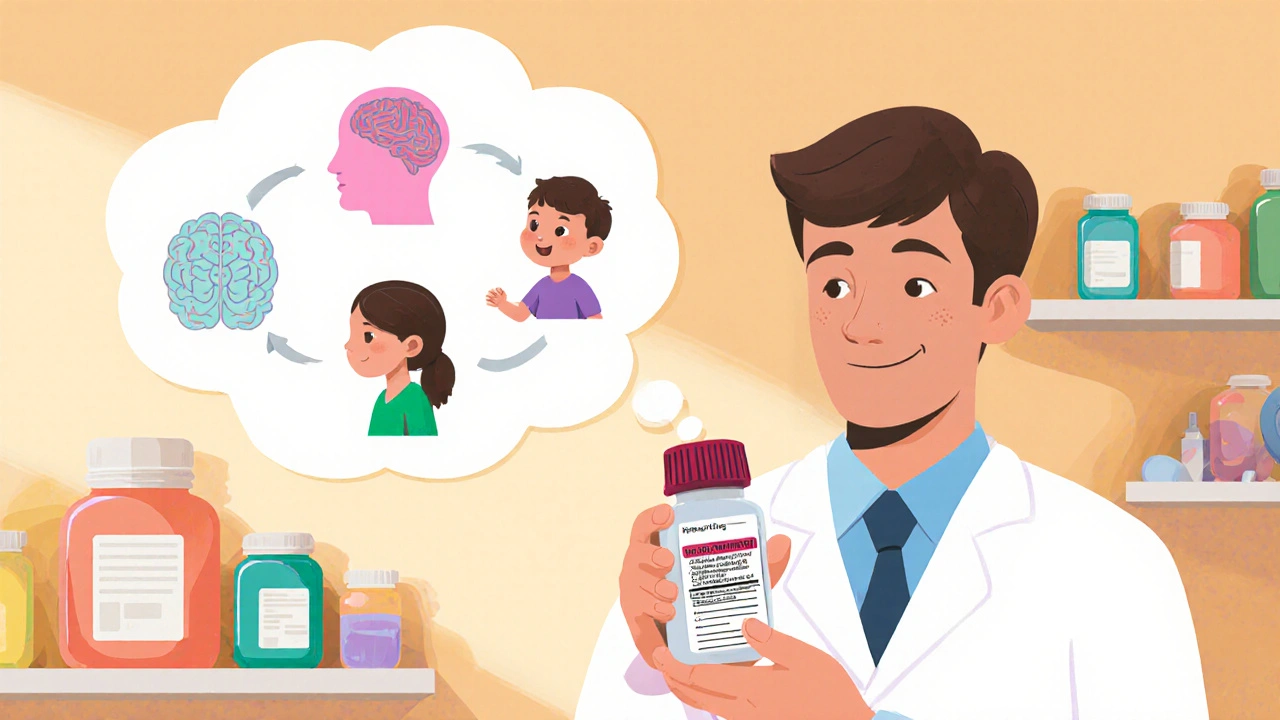
Learn why doctors prescribe medications beyond approved labels, the legal framework, risks, benefits, insurance hurdles, and future trends of off‑label drug use.
More