
When you hear specialty medication costs, high-priced drugs used for complex, chronic conditions like cancer, rheumatoid arthritis, or multiple sclerosis, it’s easy to feel overwhelmed. These aren’t your typical pills from the corner pharmacy—they’re often injectables, infusions, or pills that cost hundreds or even thousands per month. And yes, that’s after insurance. For many, Medicare Part D, the prescription drug benefit for seniors and people with disabilities is the only thing keeping these drugs within reach, but even then, the out-of-pocket hit can be brutal. The real question isn’t just how much they cost—it’s why they cost so much, and who actually gets to afford them.
Behind every high-cost drug, a medication priced above $670 per month by Medicare standards is a story of R&D, patent protection, and limited competition. Many of these drugs have no generic version for years—sometimes decades—because they’re biologics, made from living cells, not chemicals. That means even if your plan covers them, you’re stuck paying tier 4 or 5 copays. But here’s the thing: not everyone pays full price. Programs like Medicare Extra Help, a federal program that lowers drug costs for low-income beneficiaries can cut your monthly bill to under $5 for generics. And while specialty meds are often brand-only, switching to a similar, lower-cost alternative—like a generic maintenance drug for a chronic condition—is sometimes possible. It’s not always easy, but it’s often doable with the right info.
You don’t have to guess how much you’ll pay next month. The same posts that break down generic copays vs. brand copays also show you how to spot hidden costs in your plan’s tier system. Others walk you through applying for assistance, reading your prescription label for refill rules, or using automated refills to avoid lapses that trigger higher prices. Some even explain how drugs like tirzepatide or PCSK9 inhibitors, while life-changing, come with price tags that make you pause. The good news? You’re not powerless. Whether you’re managing diabetes, heart failure, or an autoimmune disease, the tools to reduce your burden are out there—you just need to know where to look.
Below, you’ll find real, no-fluff guides on how to navigate these costs—from understanding your copay structure to using government programs, spotting when a cheaper alternative works, and protecting yourself from surprise bills. No jargon. No sales pitches. Just what actually helps people pay less and stay healthy.
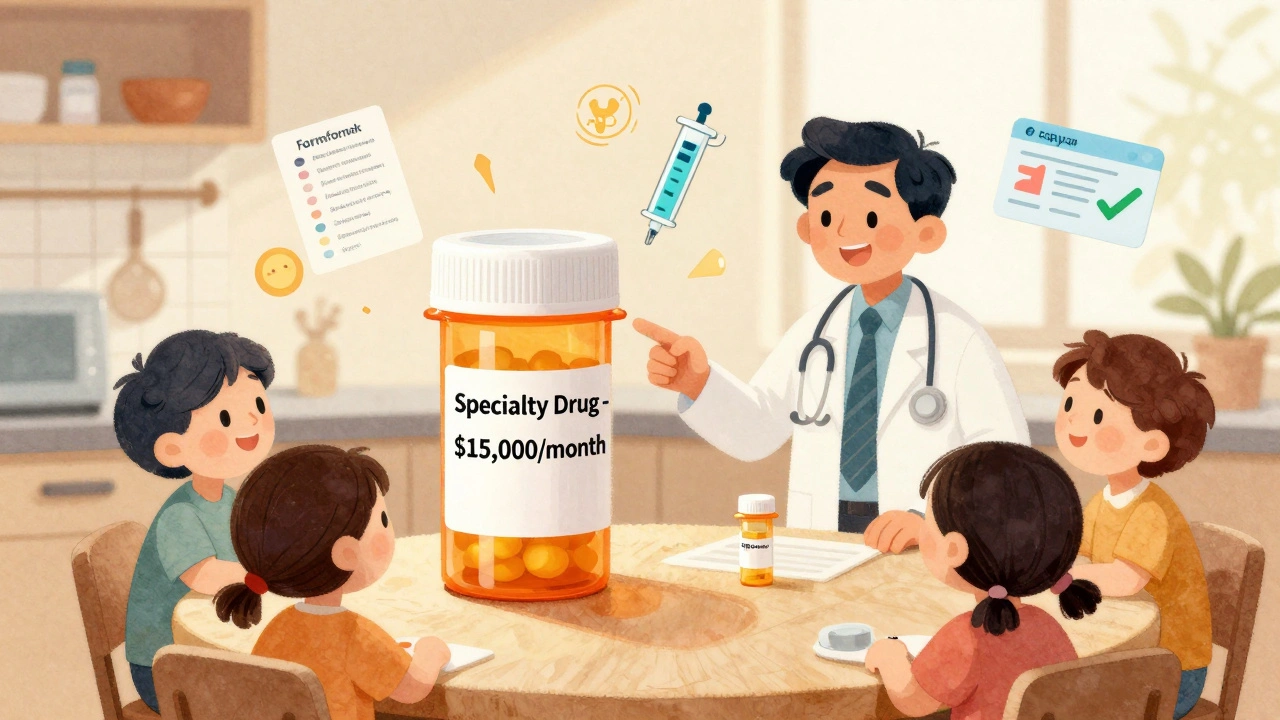
Specialty medications cost thousands per month, but proven strategies like biosimilars, narrow pharmacy networks, and treatment setting changes can slash costs by 40-50%. Learn how to save without sacrificing care.
More