
Tirzepatide for Weight Loss: How Dual Incretin Therapy Works and What to Expect
 Nov, 29 2025
What is Tirzepatide and Why Does It Work So Well for Weight Loss?
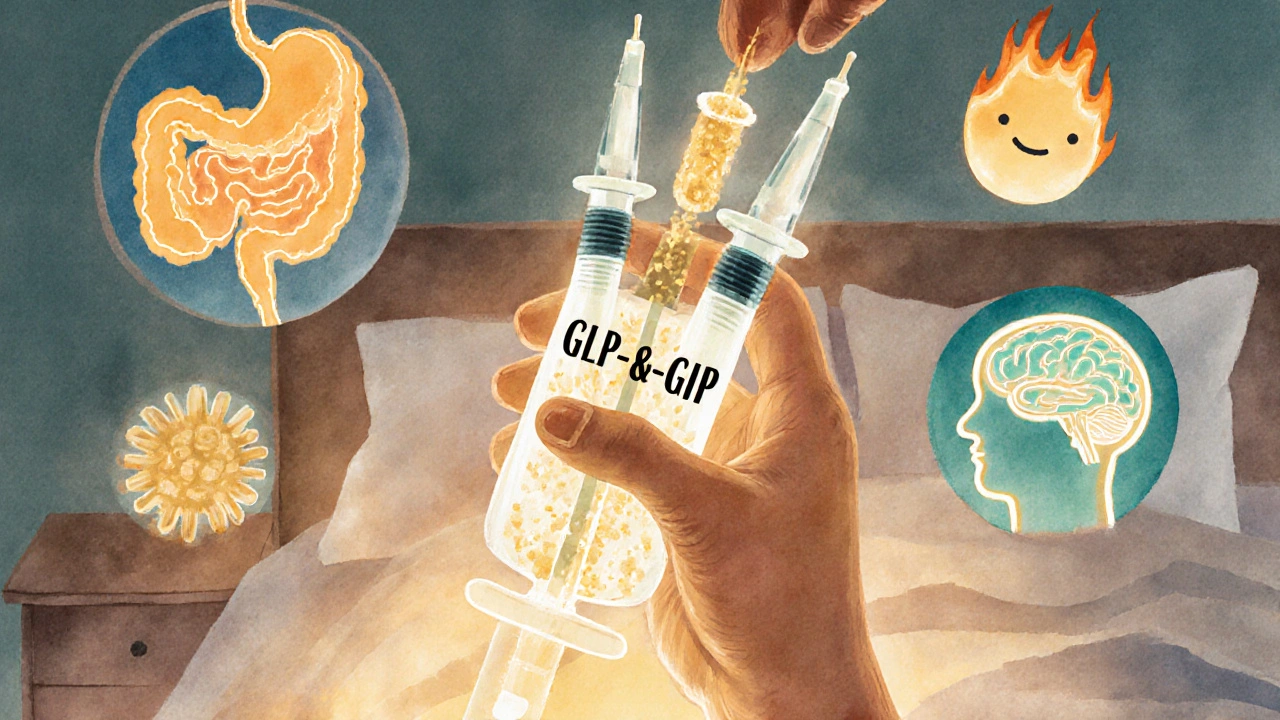
Tirzepatide is not just another weight loss drug. It’s the first medication approved to activate two hormones at once: GLP-1 and GIP. These are called incretin hormones, and they naturally help your body manage blood sugar and appetite. While older drugs like semaglutide (Wegovy) only target GLP-1, tirzepatide hits both. This dual action is why it works better for weight loss.
In clinical trials, people using the highest dose (15 mg weekly) lost an average of 22.5% of their body weight over 72 weeks. That’s more than 50 pounds for someone weighing 250 pounds. Compare that to semaglutide, which led to about 14.9% weight loss in the same timeframe. The difference isn’t small-it’s game-changing.
The reason? Tirzepatide doesn’t just make you feel full. It changes how your body stores fat, burns energy, and responds to food. It slows down digestion so food stays in your stomach longer. It tells your brain you’re satisfied, even if you eat less. And it improves how your muscles and fat cells use glucose, which helps reduce fat buildup over time.
How Tirzepatide Works: More Than Just Suppressing Appetite
Many people think weight loss drugs only work by reducing hunger. Tirzepatide does that-but it does a lot more. Here’s what’s really happening inside your body when you take it:
- Slows gastric emptying: Food moves slower from your stomach to your intestines. This keeps you full longer and reduces sudden hunger spikes.
- Boosts insulin sensitivity: Your body uses insulin more efficiently, which helps lower blood sugar and reduces fat storage.
- Reduces liver fat: Studies show it lowers fat buildup in the liver, which is common in people with obesity and type 2 diabetes.
- Increases adiponectin: This hormone helps break down fat and reduces inflammation in fat tissue.
- Targets brain appetite centers: It acts on the hypothalamus and reward pathways, making high-calorie foods less appealing without causing cravings or mood swings.
One study from Duke University found that tirzepatide’s dual action creates a synergy-something you can’t get by just doubling the dose of a single hormone drug. The two hormones work together like a team, not just side by side.
Real Results: What People Are Losing and How Fast
Numbers matter. Here’s what real patients experienced in the largest trials:
- At 12 weeks on 5 mg: Average weight loss of 7-9%
- At 24 weeks on 10 mg: Average weight loss of 13-15%
- At 72 weeks on 15 mg: Average weight loss of 20-22.4%
On Reddit’s r/Mounjaro community, users report losing 40 to 60 pounds within six months. One person lost 58 pounds at 15 mg without feeling constant hunger-something they couldn’t achieve with semaglutide.
But results aren’t the same for everyone. About 32% of people stop treatment because of side effects. The biggest reason? Nausea. Vomiting and diarrhea are also common, especially when the dose is increased too quickly.
The Dosing Schedule: Why Slow and Steady Wins
You don’t start tirzepatide at 15 mg. That’s dangerous and unnecessary. The FDA-approved schedule takes 20 weeks to reach the full dose:
- Weeks 1-4: 2.5 mg once weekly
- Weeks 5-8: 5 mg once weekly
- Weeks 9-12: 7.5 mg once weekly
- Weeks 13-16: 10 mg once weekly
- Weeks 17-20: 12.5 mg once weekly
- Week 21+: 15 mg once weekly (if tolerated)
Many people need to stay at a lower dose longer. About 38% of patients require extra time at 5 mg or 10 mg before moving up. Rushing the process increases side effects dramatically.
Doctors recommend taking the injection with a small, low-fat meal to reduce nausea. If you feel sick, wait a few days before increasing the dose. Don’t push through discomfort-your body needs time to adjust.
Side Effects: What to Expect and How to Manage Them
The most common side effects are gastrointestinal:
- Nausea: 20-25% of users
- Diarrhea: 15-18%
- Vomiting: 7-10%
- Constipation: 8-12%
These usually improve after the first 4-8 weeks. But for some, they’re severe enough to stop treatment. Here’s what helps:
- Drink plenty of water
- Eat smaller meals with less fat and sugar
- Avoid lying down right after eating
- Use ginger tea or OTC anti-nausea meds like dimenhydrinate (with doctor approval)
- Inject at night before bed to sleep through early side effects
More serious risks include pancreatitis and gallbladder disease, but these are rare. Tirzepatide is not safe for people with a personal or family history of medullary thyroid cancer or multiple endocrine neoplasia syndrome type 2.
Cost and Access: Is It Affordable?
The list price for a 4-week supply of Zepbound is over $1,000. But most people don’t pay that.
Thanks to manufacturer co-pay programs and insurance, 89% of commercially insured patients pay less than $100 per month. Some pay as little as $45. The Lilly Cares Foundation offers free medication to eligible low-income patients.
Medicare Part D coverage varies. Some plans cover it for weight loss if you have obesity-related conditions like high blood pressure or sleep apnea. Medicaid coverage is inconsistent across states.
Insurance denials are common if you don’t have a BMI over 30 with a weight-related condition, or over 27 with a condition like hypertension or type 2 diabetes. Work with your doctor to submit prior authorization with supporting lab results and medical history.
How Tirzepatide Compares to Other Weight Loss Drugs
Here’s how tirzepatide stacks up against the most common alternatives:
| Medication | Target | Average Weight Loss (72 weeks) | Dosing Frequency | Common Side Effects |
|---|---|---|---|---|
| Tirzepatide (Zepbound) | GLP-1 + GIP | 20-22.5% | Once weekly | Nausea, diarrhea, vomiting |
| Semaglutide (Wegovy) | GLP-1 only | 14.9% | Once weekly | Nausea, constipation, fatigue |
| Liraglutide (Saxenda) | GLP-1 only | 8-10% | Once daily | Nausea, dizziness, increased heart rate |
| Orlistat (Xenical) | Fat blocker | 5-7% | Three times daily | Oily stools, gas, bowel urgency |
Tirzepatide is the most effective option currently available. But it’s not the only one. If side effects are too strong, semaglutide is a solid second choice. Orlistat is cheaper but far less effective and harder to tolerate long-term.
What Happens When You Stop Taking It?
This is the big question no one wants to talk about: What happens after you stop?
Weight comes back. On average, people regain 12-15% of lost weight within six months of stopping tirzepatide. This isn’t a failure-it’s biology. Obesity is a chronic condition, like high blood pressure or diabetes. Stopping the medication removes the biological support your body was relying on.
Studies show that people who combine tirzepatide with lifestyle changes-regular movement, balanced meals, sleep hygiene-regain less weight. Some maintain 70-80% of their loss even after stopping, if they keep up healthy habits.
There’s no magic fix. Tirzepatide gives you a powerful tool, but it doesn’t replace the need for sustainable habits.
The Future: What’s Next After Tirzepatide?
Scientists are already working on the next generation. Eli Lilly is testing retatrutide-a triple agonist that targets GLP-1, GIP, and glucagon. Early results show up to 24.2% weight loss in just 24 weeks.
Tirzepatide is also being studied for new uses:
- Obstructive sleep apnea (FDA approved in October 2024)
- Non-alcoholic steatohepatitis (NASH)
- Cardiovascular protection in obese patients
These aren’t side effects-they’re benefits. By improving metabolism, tirzepatide helps more than just weight. It improves liver health, lowers blood pressure, and reduces inflammation throughout the body.
Final Thoughts: Is Tirzepatide Right for You?
Tirzepatide is the most effective weight loss medication ever approved. But it’s not for everyone. It works best if:
- You have a BMI over 30 (or 27 with a weight-related condition)
- You’re ready to commit to a slow, gradual dose increase
- You’re willing to manage side effects with diet and timing
- You understand this is a long-term treatment, not a quick fix
If you’re looking for a pill that melts fat without changing your life, this isn’t it. But if you’re ready to use science to reset your body’s metabolism and take control of your health, tirzepatide could be the most powerful tool you’ve ever had.
Peter Axelberg
November 30, 2025 AT 15:56Also, the cost thing? My insurance paid 95%. Lilly's co-pay card cut the rest to $37. Don't let the $1000 sticker price scare you. Talk to your doctor about financial aid. It's not as bad as it sounds.
Andrew Keh
November 30, 2025 AT 22:00Sara Shumaker
December 1, 2025 AT 14:15Also, the fact that it helps with liver fat and insulin sensitivity? That’s not just weight loss. That’s healing.
Brandy Johnson
December 3, 2025 AT 01:00Monica Lindsey
December 4, 2025 AT 14:44Geoff Heredia
December 6, 2025 AT 06:50Tina Dinh
December 7, 2025 AT 13:59Mary Kate Powers
December 8, 2025 AT 04:57Scott Collard
December 10, 2025 AT 03:04Steven Howell
December 10, 2025 AT 05:03Robert Bashaw
December 11, 2025 AT 11:33jamie sigler
December 13, 2025 AT 06:43Bernie Terrien
December 14, 2025 AT 12:37Jennifer Wang
December 15, 2025 AT 03:40