
Understanding Contact Allergens: Patch Testing Procedures and Common Skin Irritants
 Mar, 30 2026
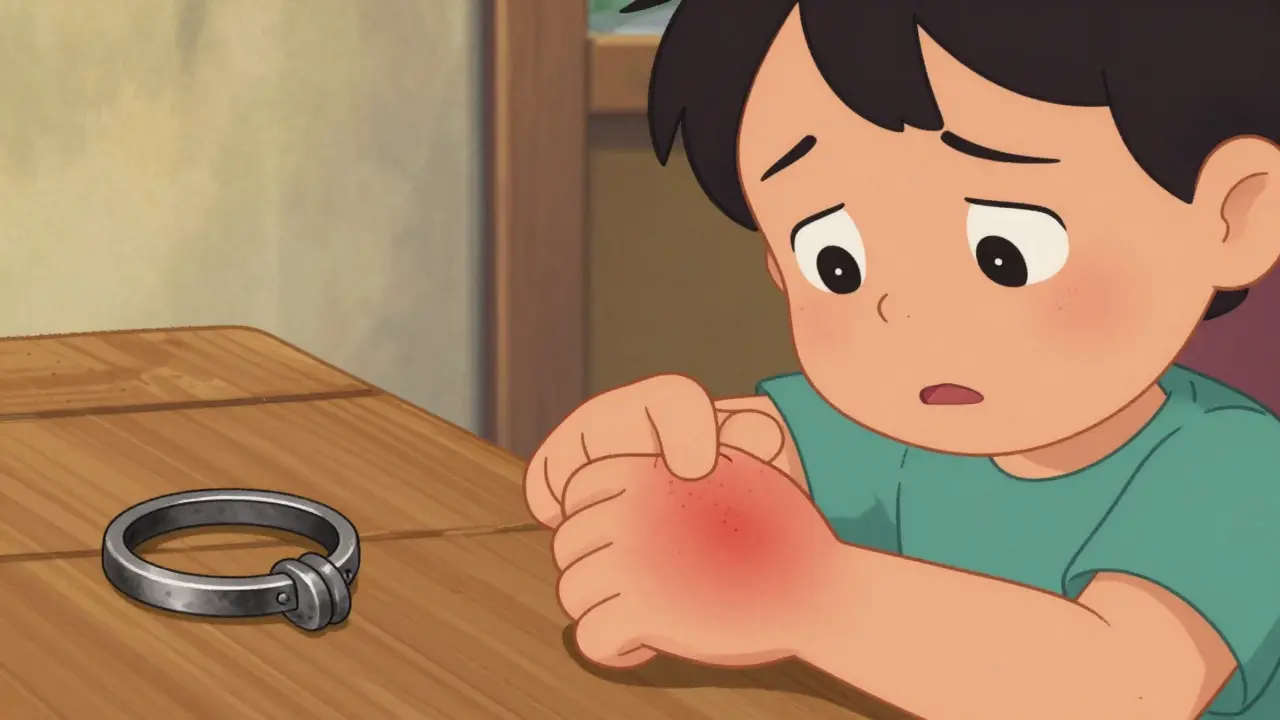
Have you ever worn a piece of jewellery or used a new skincare product and woke up with a burning, itchy rash the next day? You might think it was just bad luck, but your skin is often sending a very specific signal. That reaction is usually a sign of contact dermatitis. While the symptoms look similar to many other skin issues, pinpointing the exact cause requires more than just a guess. For millions of people struggling with recurring rashes, identifying the trigger is the difference between living with constant itching and enjoying clear, healthy skin.
The process to find the culprit involves a procedure called patch testing. It stands as the gold standard in dermatology for diagnosing allergies that develop slowly over time. Unlike the prick tests used for hay fever, this method uncovers hidden sensitivities that show up days later. Understanding how this works can save you from months of trial and error with creams and lotions. Let’s break down exactly what happens during the test, which substances are most likely to blame, and how to handle the results once you have them.
What Is Contact Dermatitis?
Contact Dermatitis is a skin condition caused by exposure to an external substance that irritates or triggers an immune response. It splits into two main categories, and confusing them can lead to the wrong treatment plan. The first type is irritant contact dermatitis, which happens when something damages your skin barrier directly. Think of washing dishes with harsh soap repeatedly until your hands crack. No immune system involvement here; it is simply chemical damage.
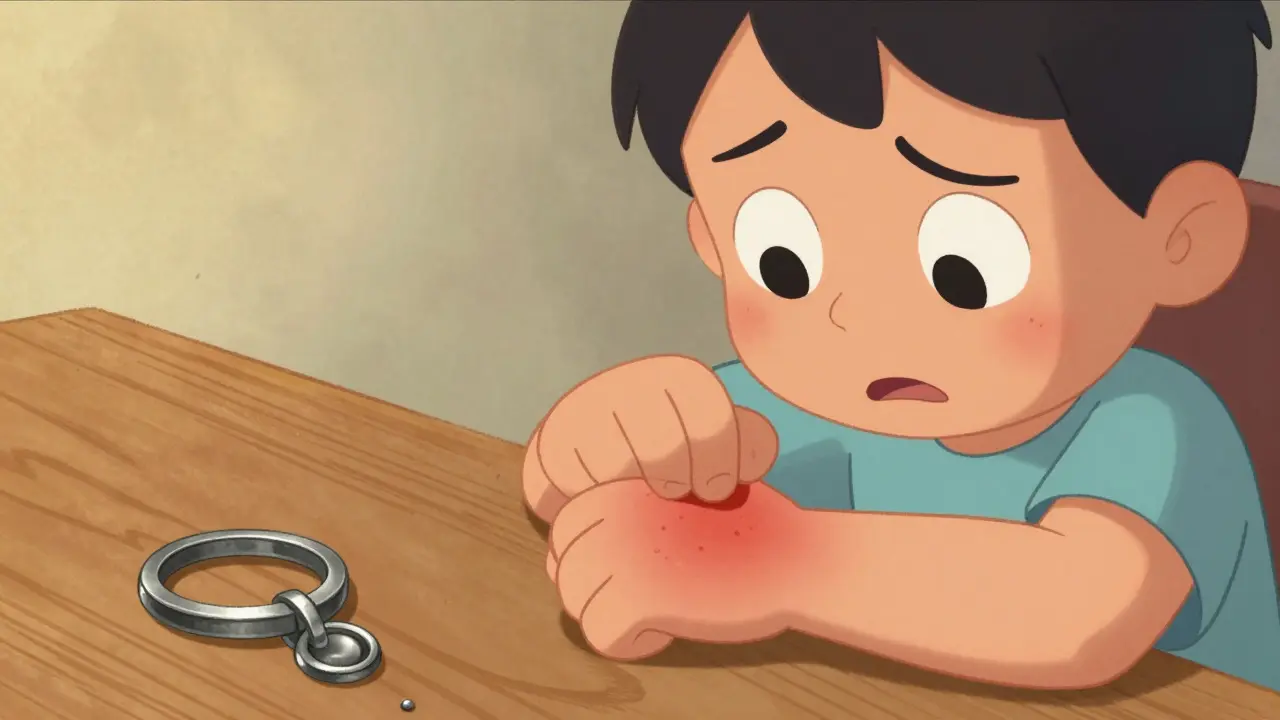
However, Allergic Contact Dermatitis is different. This is a cell-mediated immune response, specifically a delayed-type hypersensitivity known as type IV hypersensitivity. Your body mistakes a harmless substance for a threat and attacks it. If you touch poison ivy or nickel in a cheap belt buckle, your immune system launches an assault. The rash appears red, blistered, and intensely itchy. Because the reaction happens slowly, often 48 to 96 hours after contact, it is difficult to link the symptom back to the cause without professional help.This distinction matters because treatments vary. Simply using steroid cream on an irritant issue might not fix the root cause, which could be continued exposure to the damaging agent. Identifying whether you are dealing with a true allergy or just irritation sets the stage for effective long-term management.
The Mechanics of Patch Testing
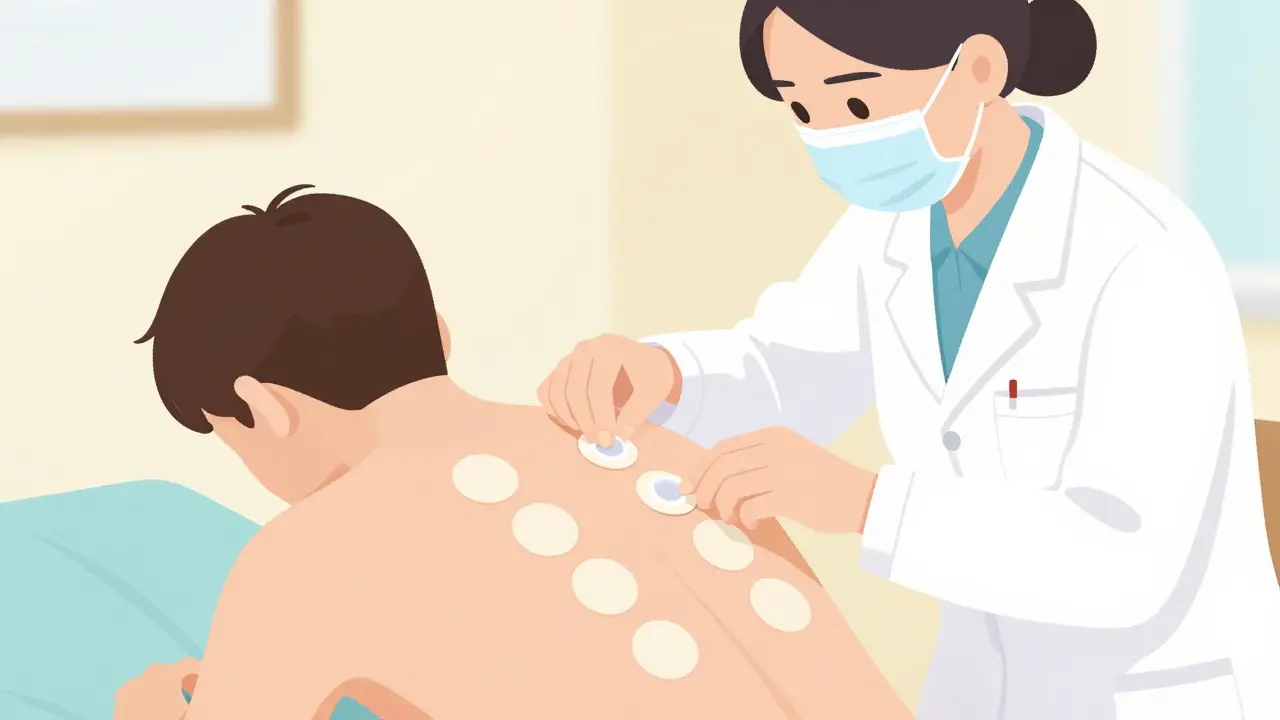
When a specialist suspects an allergic reaction, they order a patch test. Patch Testing is an epicutaneous diagnostic provocation test using standardized haptens to identify substances causing allergic contact dermatitis. It is considered the most reliable way to diagnose these specific allergies according to major organizations like the American Academy of Dermatology. The test works by applying small amounts of potential allergens onto your skin to see if your body reacts.
The equipment used is quite specific. Specialists apply allergens into small chambers mounted on tape, often called Finn Chambers. These discs sit on special adhesive pads placed firmly on your upper back. You might wonder why the back is chosen. It is largely practical; the skin there is less likely to move compared to arms or hands, ensuring the test stays secure for the required duration. Typically, anywhere from 30 to over 100 allergens can be tested simultaneously depending on the panel size.
The timeline is crucial for accuracy. The patches stay on for exactly 48 hours. During this period, you must keep them dry. Water or sweat can wash away the chemicals, ruining the test. After removing the patches at the 48-hour mark, the specialist marks the spots. They do not read the results immediately because the reaction is delayed. The final reading happens around 96 hours after the initial application. Some protocols even add a third check later to catch late reactions.
Common Allergens and Irritants
Knowing what typically triggers reactions helps in daily avoidance. The baseline series used in clinics covers the most frequent culprits, catching about 70% of cases. However, expanded panels are necessary for occupational workers or those with chronic issues, boosting detection rates significantly. Here is a breakdown of the most common offenders found in standard testing series.
| Allergen Category | Common Sources | Typical Reaction Time |
|---|---|---|
| Nickel | Jewellery, belt buckles, phone chargers | 12-48 hours |
| Fragrance Mix | Perfumes, soaps, lotions | 24-72 hours |
| Balsam of Peru | Cosmetics, processed foods, beer | 24-48 hours |
| Rubber Accelerators | Gloves, elastic, shoes | 48-72 hours |
| Preservatives | Shampoos, moisturizers, wipes | 48-96 hours |
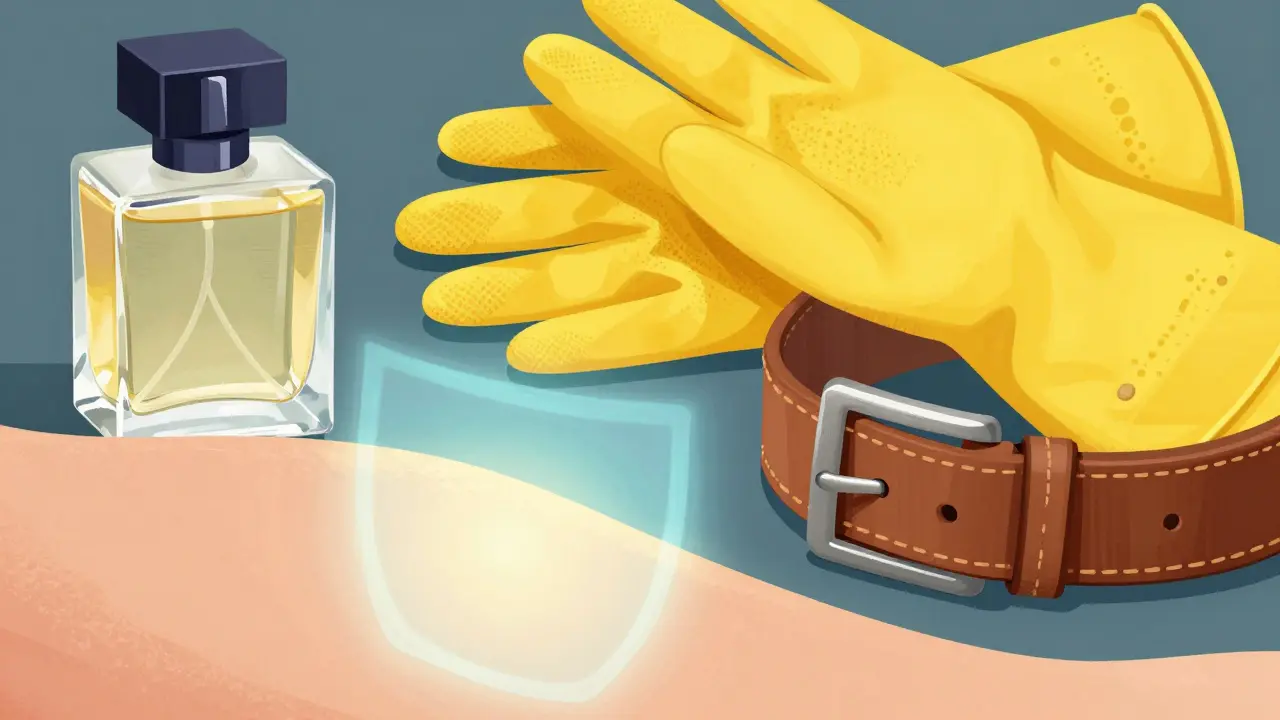
While nickel dominates the jewellery sector, fragrance mixes are rampant in daily personal care products. Even ingredients listed as "natural" can be potent allergens. Balsam of Peru, for example, shows up in surprising places like lipstick and beer. If you wear latex gloves frequently for work, you are at risk for sensitivity to rubber accelerators. These chemicals harden the rubber but sensitize the skin upon repeated contact.
Preparing for and Enduring the Test
Successful testing relies heavily on patient compliance. If you cannot follow the rules, the results become unreliable. The primary instruction is to keep the patch test site completely dry. This means no swimming, no hot baths, and avoiding heavy exercise that causes sweating. Moisture disrupts the adhesion of the tape and dilutes the allergen solution.
You do not need to stop taking oral antihistamines before the test. Unlike skin prick tests for seasonal allergies, antihistamines do not interfere with the type IV hypersensitivity measured here. This is good news for anyone who regularly treats allergies with medication. However, you should avoid topical steroids on your back for a week prior to the appointment. Using strong creams near the test site can suppress your skin's ability to react, leading to false negatives.
Sometimes, patients feel worried that the chemicals being applied are dangerous. The concentrations used in patch testing are carefully diluted, often mixed with petrolatum to ensure safety. While you might feel some itching under the patches during the wait, scratching or picking them off early invalidates the study. If the tape starts peeling, call your clinic immediately rather than trying to re-tape it yourself.
Interpreting Results and Treatment Plans
When the specialist reads your results at the 96-hour mark, they look for signs of eczema confined to the test area. A positive result looks like redness, swelling, or tiny blisters exactly where the chamber was applied. Not everyone will have a positive reaction, and that is valuable information too. It tells us your rash is likely not caused by contact allergy and suggests we look elsewhere for the cause.
Once a specific allergen is identified, the treatment focuses on avoidance strategies. Education becomes part of the therapy. You learn to read labels to spot hidden triggers like preservatives or fragrance variants. For the existing inflammation, doctors prescribe topical corticosteroid creams to calm the active outbreak. In severe cases involving widespread swelling, oral steroids might be necessary for short-term relief.
Prevention remains the priority. Once you know nickel makes you sick, you buy stainless steel jewellery instead. If you are allergic to fragrances, you switch to unscented toiletries. This proactive approach reduces the frequency of flare-ups significantly. Follow-up visits are sometimes required to confirm you have successfully avoided the trigger and that your skin has healed fully.
Does patch testing hurt?
Most patients report little to no pain during the actual application. The chambers simply adhere to the skin like tape. You might feel itching or mild soreness while the patches are on, especially if you are reacting to a substance. Removing the tape can feel sticky but does not usually cause injury.
Can I shower while I have the patches on?
No, you should strictly avoid showering or bathing while the patches are attached. Water interferes with the allergens and can cause the tape to fall off prematurely. Sponging the rest of your body while keeping your back dry is allowed, but direct water contact on the back must be avoided.
How long does it take to get results?
The entire process spans approximately one week. You visit for the first application, return at 48 hours for removal, and come back again at 96 hours for the final reading. Sometimes a fourth visit occurs several days later to check for late-stage reactions.
Will insurance cover patch testing?
Coverage varies widely depending on your provider and region. Many insurers cover patch testing if it is medically necessary for a diagnosed skin condition. Occupational health requirements might also offer coverage for industrial exposure checks. Always check with your administrator beforehand.
What if the test doesn't find a cause?
A negative result does not mean nothing is wrong. It may indicate the rash is due to irritant dermatitis rather than allergy, or that the offending substance isn't included in the standard series. Doctors can perform repeat open testing on suspected products if necessary.
Cameron Redic
March 31, 2026 AT 07:55People really do not understand how the immune system works when dealing with delayed hypersensitivity. It is annoying to see articles skip over the cellular mechanism entirely. You cannot diagnose a Type IV reaction with a prick test, and pretending otherwise is medically negligent. The difference between irritant damage and true allergy is where most patients get confused. Treatment plans fail when doctors conflate chemical burns with sensitization issues. I wish more specialists explained the pathophysiology before jumping straight to steroid prescriptions. Understanding the cell-mediated response is critical for long term management of skin health.
Calvin H
April 1, 2026 AT 13:52Everyone ignores the rules about keeping the patches dry until it gets ruined anyway.
Kendell Callaway Mooney
April 2, 2026 AT 06:50I appreciate the technical breakdown of the test mechanics here. It helps when people explain the Finn Chambers setup clearly. Keeping the back dry is a hard thing for many to manage but necessary. Moisture is the enemy during those forty eight hours of application. Reading labels for hidden preservatives makes such a huge difference in daily life. Switching to unscented products is easier once you know what triggers exist. This guide provides solid groundwork for anyone avoiding flare ups in the future.
Carolyn Kask
April 3, 2026 AT 21:49In this country we used to manufacture high quality goods that did not leak nickel into the air. Now everything is imported slop that makes people sick constantly. Patch testing is basically cleaning up the mess caused by cheap manufacturing standards. You should demand better safety regulations instead of just taking more steroids. It is pathetic that we rely on tests to find toxins in basic clothing items. We need stricter import laws rather than more dermatology appointments for preventable issues. Stop blaming the patient and start blaming the supply chain.
Katie Riston
April 4, 2026 AT 17:47We often overlook how much our bodies communicate with us through invisible signals.
It is fascinating to consider that a rash is essentially a letter from our immune system.
I have always believed that modern medicine tries to suppress these letters rather than read them.
You mentioned patch testing is the gold standard which is a crucial distinction to make.
But beyond the science, there is a spiritual aspect to healing that we rarely discuss in clinics.
The patience required for the forty-eight hour wait mirrors the patience needed for recovery itself.
We live in an instant gratification society that hates waiting for delayed reactions.
If your skin needs three days to tell you something is wrong why should you be angry at it.
This test forces you to slow down in a world that moves too fast for comfort.
Avoiding water for forty-eight hours is a small sacrifice for long term clarity.
Think about the discipline required to simply sit still and let the process unfold naturally.
Most people would panic if they could not shower but true understanding requires restraint.
We trust machines to fix us yet we ignore the biological wisdom built into our cells.
When the result comes back negative it is still data points toward finding balance.
Ultimately the goal is harmony between external substances and internal defenses.
I hope everyone reading this realizes their skin deserves more respect.
emma ruth rodriguez
April 5, 2026 AT 22:30The procedure; however; remains vital for accurate diagnosis. It is important, truly, that we follow protocol strictly. Results, if mishandled, become void or misleading. Patients must avoid topical steroids prior to testing, as noted in the guidelines. Compliance is the key factor in obtaining valid clinical data. Hygiene practices during the test window are non negotiable. Medical accuracy depends on adherence to the ninety six hour timeline.
Beccy Smart
April 7, 2026 AT 05:19Sometimes the simplest advice is ignored completely 🙄 People think they are immune to chemicals in soap 💅 Health is wealth but nobody pays attention to the basics 😒 Just buy hypoallergenic stuff if you want clear skin 👏👎
sanatan kaushik
April 9, 2026 AT 02:53I see similar patterns in my own community where natural remedies clash with industrial pollution. Many people here wear metals that cause severe reactions without knowing the source. Education is needed on reading ingredient lists properly. Avoidance is the best medicine if you can identify the trigger early. We need to be aware of what we touch in daily work environments. Prevention saves money and prevents suffering in the long run.
Rick Jackson
April 9, 2026 AT 16:52That is a great point about awareness in work environments. Occupational exposure is often underestimated by general practitioners.
Jonathan Alexander
April 10, 2026 AT 21:20I went through this exact nightmare with my wedding ring recently. The itching was absolutely unbearable for weeks until I found a specialist. You never realize how much metal is in daily tools until your body rebels. The emotional toll of chronic skin irritation is harder than the physical pain. Finally getting answers felt like winning a battle against an invisible enemy.
Biraju Shah
April 12, 2026 AT 08:40Glad you found relief. Identifying the culprit is half the victory.
Marwood Construction
April 13, 2026 AT 20:52The distinction between irritant and allergic contact dermatitis is clinically significant. Management strategies differ significantly based on the etiology of the presentation. Further investigation into patient history aids the diagnostic process effectively.
Charles Rogers
April 14, 2026 AT 10:00Exactly. Without that knowledge the treatment fails repeatedly. Specialists must educate patients on the specific differences involved. General practice often lacks the nuance required for complex skin cases. Proper diagnosis prevents years of unnecessary suffering for the patient.