
Why Drug Shortages Are Happening: The Financial Strain on Manufacturers in 2026
 Aug, 2 2026
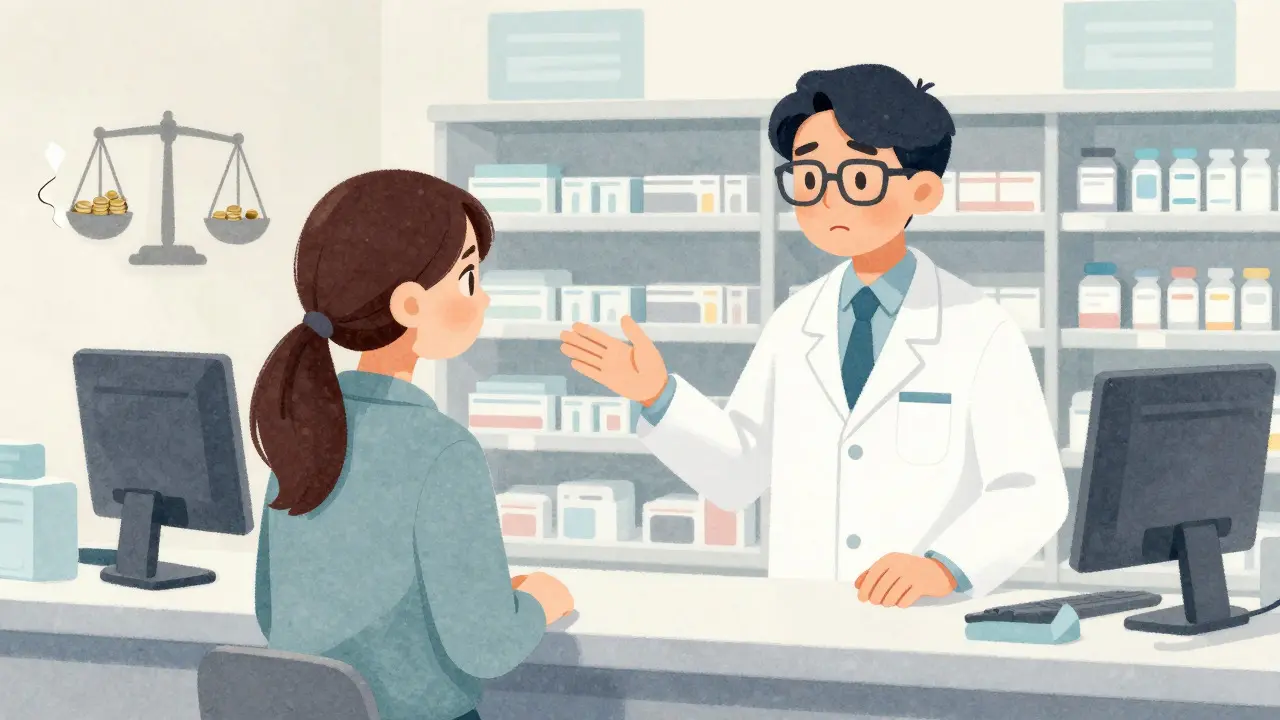
Have you ever walked into a pharmacy, handed over your prescription, and been told the medication is out of stock? It’s frustrating. But have you ever wondered why this happens so often? You might think it’s just bad luck or poor inventory management. In reality, we are facing a perfect storm. Manufacturers are squeezed between rising costs and strict price controls. This manufacturer financial strain is the hidden engine driving the global shortage of essential medicines.
We are not talking about a temporary glitch. We are looking at a structural crisis that has intensified through 2025 and continues to shape the landscape in 2026. From raw material scarcity to geopolitical tariffs, every link in the supply chain is under pressure. If you want to understand why your blood pressure meds or insulin are hard to find, you need to look at the balance sheets of the companies making them.
The Margin Squeeze: Why Making Drugs Is Getting Harder
Let’s start with the basics. For years, many drugs-especially generics-were cheap to produce. That kept prices low for patients but also left manufacturers with razor-thin profit margins. Now, those margins are disappearing entirely.
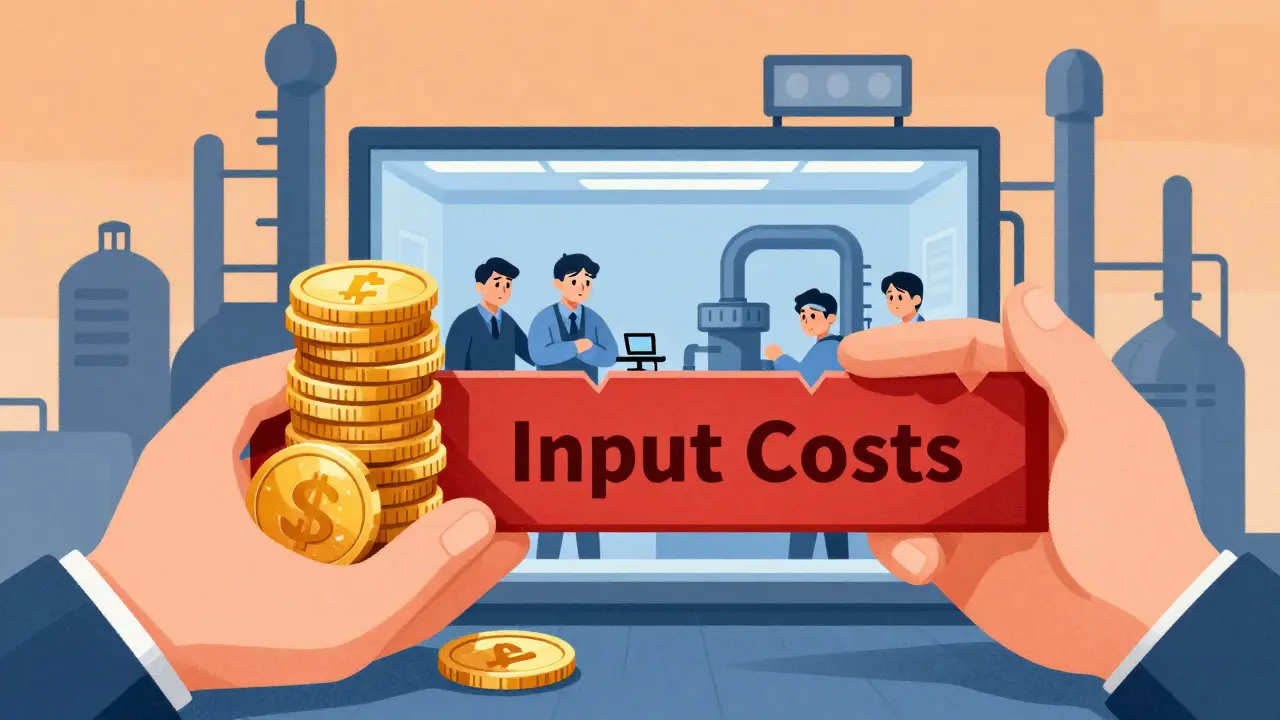
In late 2023 and throughout 2024, manufacturers faced a sudden spike in input costs. A survey by the BCG Henderson Institute in early 2025 found that 86% of manufacturing executives cited rising input costs as their biggest headache. We aren’t just talking about minor increases. We’re seeing double-digit jumps in the cost of critical raw materials like active pharmaceutical ingredients (APIs), packaging supplies, and energy.
Consider the case of a mid-sized generic drug maker in the Midwest. Let’s call them "MidwestPharma." In January 2025, they saw a 23.7% increase in the cost of key chemical precursors. To stay afloat, they had to raise prices. But here is the catch: insurance companies and government payers push back hard against price hikes. They demand volume discounts. So, MidwestPharma raises prices by 18%, but because they can’t pass on the full cost, they absorb the difference. Their profit margin shrinks by 5.5%. Do that for twelve months, and you are bleeding cash.
| Factor | Impact on Manufacturer | Data Point / Source |
|---|---|---|
| Rising Input Costs | Direct reduction in gross profit per unit | 86% of execs cite this as top pressure (BCG, Q1 2025) |
| Tariff Volatility | Unpredictable landed costs for imported APIs | Tariffs surged to avg 10-11.5% effective rate (Yale Budget Lab, Aug 2025) |
| Price Controls | Limit ability to raise consumer prices | Consumer sensitivity forces abandonment of indiscriminate hikes (Nielsen, 2024) |
| Supply Chain Disruption | Increased inventory holding costs and delays | 17-day average production delay in related sectors (IHS Markit, Q2 2025) |
The Tariff Trap: Geopolitics Meets Pharmacy Shelves
You cannot talk about drug shortages without talking about trade policy. The pharmaceutical industry is deeply globalized. Most active ingredients come from Asia, while final assembly and packaging often happen in Europe or North America. When governments introduce tariffs, the ripple effects are immediate.
In 2025, tariff rates didn’t just tick up; they jumped. According to the Yale Budget Lab, effective tariff rates rose from 2.4% at the start of 2025 to an average of 10-11.5% by summer. While these numbers might sound small, they add up quickly when you are dealing with billions of dollars in imports. More importantly, the uncertainty is paralyzing.
Imagine trying to plan your budget for the next year when you don’t know if your aluminum packaging will cost $10 or $15 next month. Dr. Maximiliano A. Dvorkin, a senior economist at the St. Louis Federal Reserve, noted in October 2025 that these measures exert "measurable upward pressure" on prices. But here is the twist: manufacturers often eat these costs rather than passing them all to consumers, fearing backlash. This creates a silent erosion of profitability. When profits vanish, investment in new production lines stops. And when investment stops, capacity shrinks. Shrinking capacity leads to shortages.
Raw Material Scarcity: The Bottleneck Behind the Bottle
Even if you have the money to make drugs, you need the stuff to make them. This is where the shortage becomes physical. Key raw materials, particularly rare earth metals used in specialized equipment and specific chemical precursors, are controlled by a handful of nations.
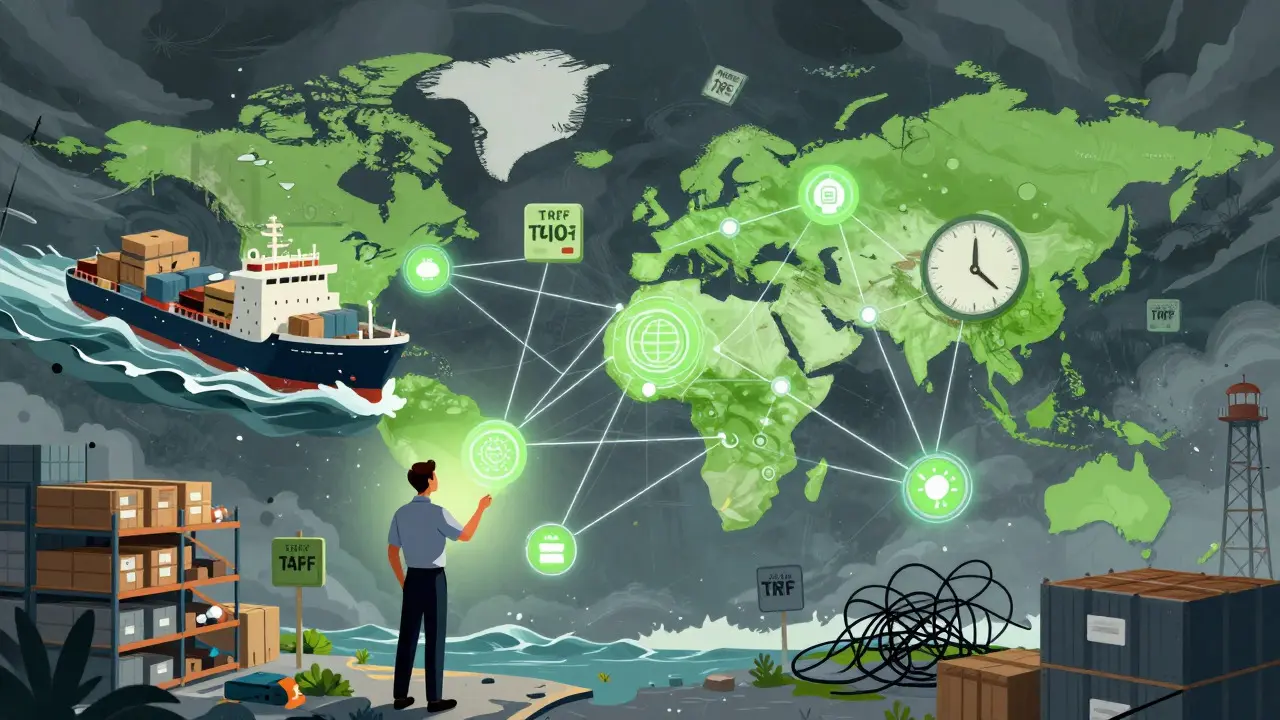
Zilliant’s analysis in late 2024 showed that protectionist policies restricted access to these strategic materials, driving prices up by 15-20% in related industrial sectors. For pharmaceuticals, this means longer lead times. If it takes three months to get a shipment of a critical API instead of six weeks, you need more warehouse space. Warehouses cost money. Inventory ties up cash flow. For a company already struggling with thin margins, this cash trap can be fatal.
User experiences from the field highlight this chaos. On a manufacturing forum in August 2025, a user identified as "SupplyChainVeteran87" described how month-to-month price swings of 14-19% made forecasting impossible. Without accurate forecasts, you either overproduce (wasting money) or underproduce (causing shortages). Most manufacturers choose the latter to protect their bottom line, leaving shelves empty.
Who Gets Hit Hardest? Sector Vulnerabilities
Not all manufacturers suffer equally. The pain is distributed unevenly across the industry.
- Generic Drug Makers: These companies operate on volume, not high margins. A small increase in cost can wipe out their profit entirely. They are the most likely to halt production of less profitable drugs first.
- Specialty Biologics: While they have higher margins, their supply chains are incredibly complex and fragile. A single disruption in cold-chain logistics can ruin millions of dollars in product.
- Consumer Health Products: Companies making over-the-counter painkillers or vitamins face direct consumer price sensitivity. Nielsen’s 2024 report indicates consumers feel more "pressured" than ever. If a brand raises prices too much, shoppers switch brands. This limits the manufacturer’s ability to offset rising costs.
In contrast, some industrial manufacturers can absorb 1.8% higher input costs before passing them on, whereas consumer-facing pharma players can only absorb about 0.7%. This tiny buffer makes the pharmaceutical sector uniquely vulnerable to current economic headwinds.
Survival Strategies: How Manufacturers Are Adapting
So, what are companies doing? They aren’t sitting still. Many are turning to technology and strategic shifts to survive.
Revenue Growth Management (RGM): This is a fancy term for smart pricing. Instead of raising prices across the board, manufacturers use data analytics to adjust prices based on customer segment, region, and competitor activity. RevenueML’s case studies show that companies using RGM frameworks retain 3.2% higher margins compared to those using traditional pricing models. One electronics manufacturer reported reducing margin erosion from 8.3% to 2.1% using dynamic pricing algorithms. Pharma companies are adopting similar tools.
Dual-Sourcing Strategies: Reliance on a single supplier for a critical ingredient is no longer an option. The Manufacturers Alliance reports that 53% of manufacturers are now implementing dual-sourcing strategies for critical materials, up from 29% in 2023. This reduces risk but increases complexity and cost.
Digital Transformation: Deloitte’s research shows that manufacturers investing in digital foundations see 14.2% higher operational efficiency within 18 months. This includes using AI to predict supply chain disruptions before they happen. However, this requires upskilling teams. About 62% of finance teams need advanced analytics training to support these new systems.
What Does This Mean for Patients?
If you are a patient, the takeaway is clear: expect volatility. The financial strain on manufacturers is not going away overnight. Oxford Economics forecasts a gradual reduction in volatility from 2026 to 2030, but MIT’s Center for Transportation and Logistics warns that without fundamental restructuring, inflation in manufacturing could remain 1.5-2.0 percentage points higher than pre-2020 norms.
This translates to two things for you: 1. Potential Price Increases: As manufacturers try to stabilize margins, you may see gradual price hikes at the pharmacy counter. 2. Ongoing Shortages: Until supply chains stabilize and raw material costs drop, intermittent shortages will persist. It is wise to maintain a small buffer of non-perishable medications if possible, always consulting with your pharmacist.
The era of cheap, abundant generic drugs is under siege. The solution lies not just in better manufacturing, but in a broader rethinking of how we value healthcare products in a volatile global economy.
Why are there so many drug shortages in 2026?
Drug shortages in 2026 are primarily driven by manufacturer financial strain. Rising costs for raw materials, increased tariffs, and supply chain disruptions have compressed profit margins. Many manufacturers, especially of generic drugs, cannot afford to produce certain medications at current prices, leading them to reduce output or halt production entirely.
How do tariffs affect the price of my medication?
Tariffs increase the cost of importing active pharmaceutical ingredients and packaging materials. While manufacturers often absorb some of these costs to avoid backlash, the cumulative effect erodes their profits. Over time, these costs are passed on to consumers in the form of higher prices, contributing to overall inflation in healthcare costs.
Are generic drugs more likely to go out of stock?
Yes. Generic drug makers operate on very thin profit margins and rely on high volume. When input costs rise, they have little room to maneuver. Unlike specialty drug makers who can charge higher prices, generic manufacturers often face strict price caps from insurers and governments, making them the first to cut production when costs spike.
What is "Revenue Growth Management" in pharma?
Revenue Growth Management (RGM) is a strategy that uses data analytics to optimize pricing and product mix. Instead of blanket price increases, manufacturers adjust prices dynamically based on market conditions, customer segments, and competitor actions. This helps preserve margins without alienating price-sensitive customers.
Will drug shortages improve soon?
Improvement is expected to be gradual. Experts forecast a reduction in supply chain volatility from 2026 to 2030 as manufacturers adopt dual-sourcing and digital tools. However, structural issues like geopolitical tensions and raw material scarcity mean that occasional shortages and price pressures will likely persist for several years.