
When you take a medication, you expect it to help—not hurt. But adverse drug reactions, unintended and harmful responses to medications at normal doses. Also known as drug side effects, they can be anything from a rash or upset stomach to severe organ damage or life-threatening allergic responses. These aren’t rare mistakes—they happen to millions every year, often because people don’t recognize the warning signs or feel unsure about reporting them.
Not all reactions are the same. Some are predictable, like nausea from antibiotics or dizziness from blood pressure pills. Others, like sudden swelling or trouble breathing, are allergic reactions and need immediate attention. Then there are the delayed ones—like liver damage from long-term use of certain painkillers, or low potassium from diuretics that creep up over weeks. Drug interactions, when two or more medications affect each other’s behavior in the body. Also known as medication conflicts, they’re a major cause of avoidable harm, especially in people taking multiple prescriptions. And if you’re immunocompromised, on blood thinners, or managing chronic conditions like diabetes or heart failure, your risk goes up. Even something as simple as taking a pill with food instead of on an empty stomach can change how your body handles the drug—and trigger an unexpected reaction.
What makes adverse drug reactions so dangerous isn’t just the symptom—it’s the silence around them. Many people think side effects are normal, or they’re afraid to bother their doctor. But reporting even small changes—like unusual fatigue, skin changes, or new dizziness—can save lives. The FDA’s MedWatch system exists because patient reports lead to drug safety updates, label changes, and sometimes, withdrawals. And when you know what to watch for, you’re not just protecting yourself—you’re helping others too.
Below, you’ll find real-world guides on spotting, managing, and reporting these reactions. From how to talk to your doctor about side effects, to what to do if you suspect an allergic response, to how expired drugs can turn deadly in people with narrow therapeutic index meds—these aren’t theory pieces. They’re tools built from patient experiences and clinical data. Whether you’re on antibiotics, statins, anticoagulants, or immunosuppressants, you’ll find answers that match your situation. No fluff. Just what you need to stay safe and speak up when something feels off.
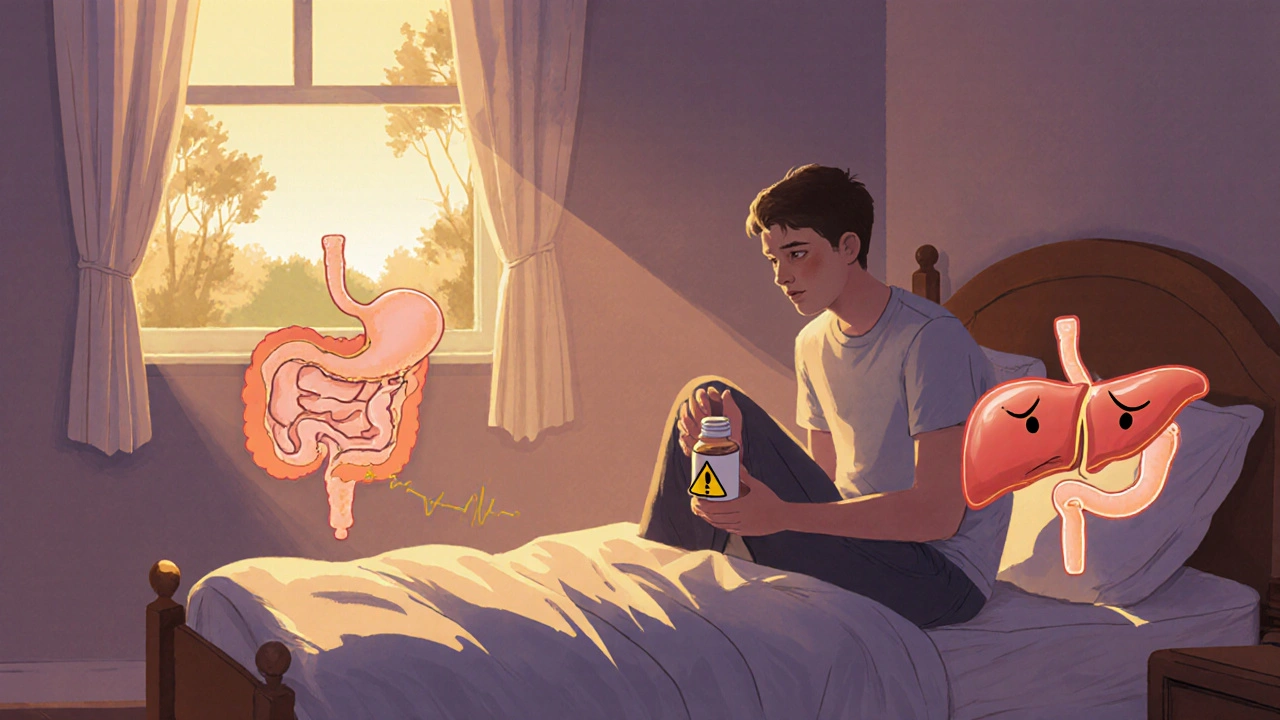
Learn how predictable and unpredictable drug side effects differ, why some reactions strike without warning, and what you can do to stay safe. Understand the real risks behind your medications.
More