
When you take an antibiotic, a medicine used to kill or slow the growth of bacteria. Also known as antibacterial agents, these drugs target infections but often disrupt your gut in the process. Antibiotic nausea isn’t rare—it’s one of the most common reasons people stop taking their prescribed meds. You’re not alone if you feel queasy after popping that pill. It’s not just in your head. Antibiotics don’t just attack bad bacteria—they also wipe out the good ones living in your stomach and intestines. This imbalance triggers nausea, bloating, and sometimes vomiting.
Not all antibiotics cause this the same way. amoxicillin, a widely used penicillin-type antibiotic and doxycycline, a tetracycline often prescribed for acne and respiratory infections are top offenders. Even azithromycin, a macrolide known for its short course, can upset your stomach. Why? Some antibiotics irritate the stomach lining directly. Others change how fast your stomach empties or alter gut bacteria too quickly. The result? Your body reacts with nausea, even if you’re taking it with food.
But here’s the good news: you don’t have to suffer through it. Simple changes make a big difference. Taking your antibiotic with a light snack—like toast or rice—can buffer your stomach. Avoid dairy right after taking certain antibiotics like doxycycline; it blocks absorption. Stay upright for 30 minutes after swallowing the pill. And if nausea sticks around, talk to your doctor about switching to a different antibiotic or adding a probiotic. Not all probiotics work the same—look for ones with Lactobacillus or Saccharomyces boulardii, strains shown in studies to reduce antibiotic-related nausea.
Some people think they should just tough it out. But ignoring nausea can lead to skipping doses, which makes the infection harder to treat and increases the risk of antibiotic resistance. Your body needs the full course to kill the infection completely. Managing side effects isn’t weakness—it’s smart treatment.
Below, you’ll find real stories and practical advice from people who’ve been there. We’ve gathered posts that explain how food affects drug absorption, how to report side effects to the FDA, and how to tell if your nausea is just a side effect or something more serious. You’ll also find tips on safe medication storage, what to do if you miss a dose, and how to talk to your doctor without feeling dismissed. This isn’t just about feeling better today—it’s about staying on track so you actually get better.
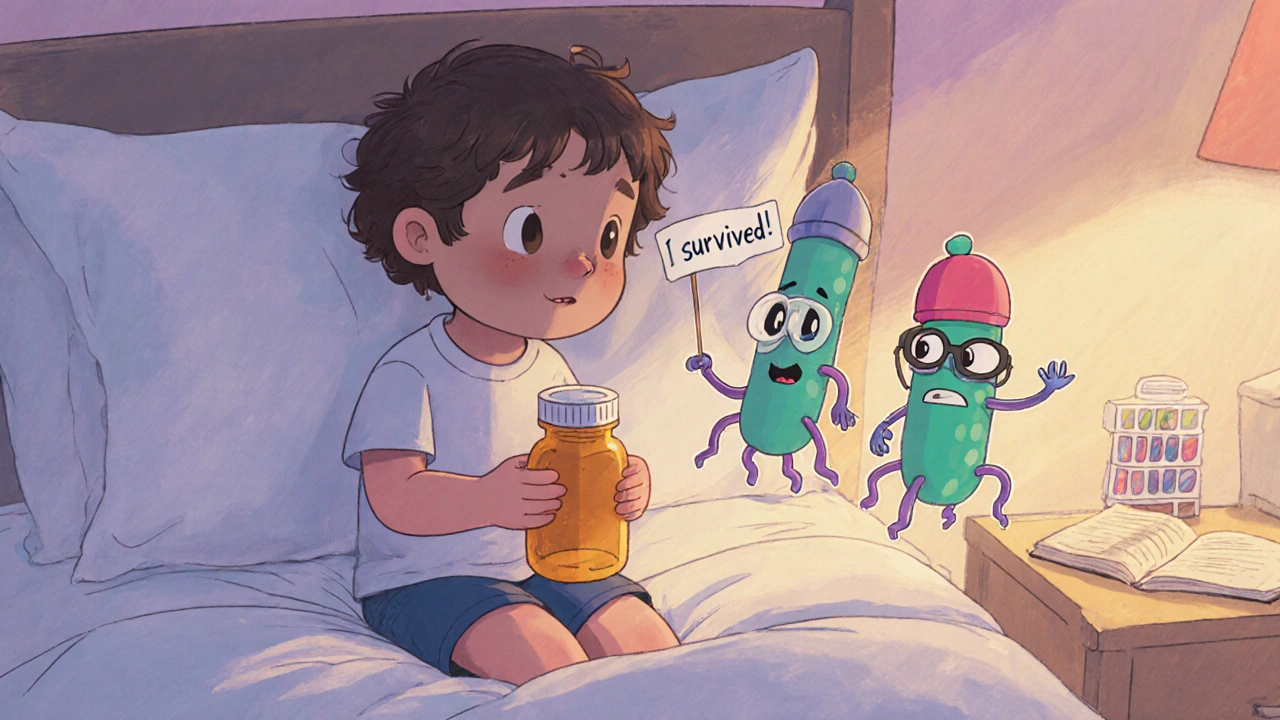
Learn how to manage common antibiotic side effects like nausea, diarrhea, and bloating so you can finish your full course and prevent dangerous antibiotic resistance. Practical, science-backed tips for real-life use.
More