
When you take an antibiotic stewardship, a set of practices designed to ensure antibiotics are used only when necessary and in the most effective way. Also known as antimicrobial stewardship, it’s not just a hospital policy—it’s something that affects every person who’s ever taken a pill for a sore throat or sinus infection. Antibiotics save lives, but they don’t work on viruses like colds or flu. Yet, nearly half of all antibiotic prescriptions in the U.S. are unnecessary. That’s not just a waste—it’s dangerous.
Every time you take an antibiotic when you don’t need it, you’re helping bacteria learn how to survive. These survivors multiply, and soon you’ve got antibiotic resistance, when bacteria evolve to resist the drugs meant to kill them. This isn’t science fiction—it’s why some infections now require hospitalization, IV drugs, or even surgery. The appropriate antibiotic use, choosing the right drug, dose, and duration based on the actual infection. It’s not about avoiding antibiotics—it’s about using them like a scalpel, not a sledgehammer.
Doctors aren’t the only ones who need to get this right. Patients ask for antibiotics because they want to feel better fast. But pushing for a prescription when it won’t help doesn’t speed up recovery—it just increases your risk of side effects like diarrhea, yeast infections, or even life-threatening gut infections like C. diff. And if you take antibiotics too often, the next time you really need them, they might not work.
Antibiotic stewardship isn’t just about prescriptions. It’s about knowing when to wait, when to ask for tests, and when to trust your body’s ability to heal. It’s about understanding that a fever doesn’t always mean you need a pill. It’s about asking your doctor: "Is this really an infection? And if so, is it bacterial?"
The posts here don’t just talk about drugs—they talk about how you interact with them. You’ll find real stories about side effects from antibiotics, how to spot when they’re being overused, and what to do if you’re on long-term treatment. You’ll learn how immunocompromised patients are especially vulnerable to resistant bugs, and why proper disposal of leftover pills matters more than you think. You’ll see how timing, food, and even your gut health play a role in whether antibiotics help or hurt.
This isn’t about fear. It’s about control. You have more power over your health than you think. By understanding antibiotic stewardship, you’re not just protecting yourself—you’re helping protect your family, your community, and future generations from a world where common infections become deadly again.
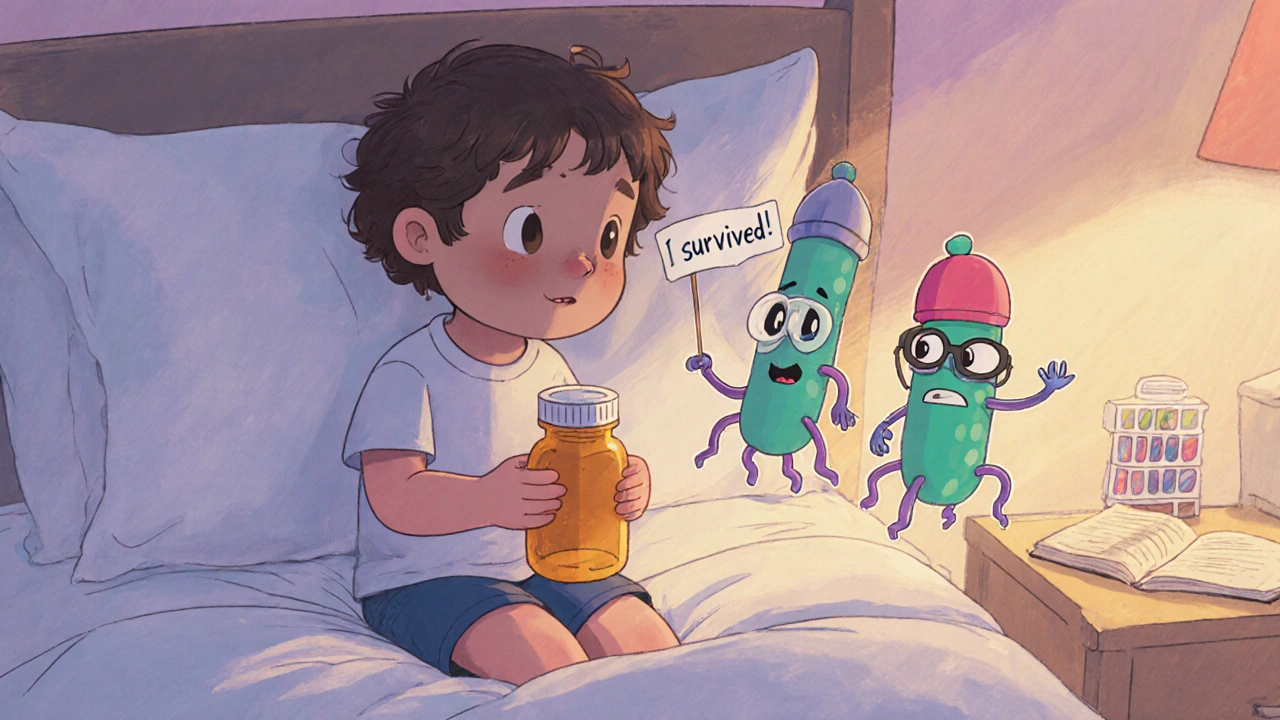
Learn how to manage common antibiotic side effects like nausea, diarrhea, and bloating so you can finish your full course and prevent dangerous antibiotic resistance. Practical, science-backed tips for real-life use.
More