
When you hear biosimilars, copycat versions of complex biologic drugs made to match the original in safety, purity, and potency. Also known as biologic generics, they’re not simple copies like pills you buy at the corner store—they’re made from living cells, which makes them incredibly hard to replicate exactly. But when done right, they work just like the original drug, often at a fraction of the price. These aren’t just theoretical—they’re already helping millions of people with arthritis, cancer, diabetes, and autoimmune diseases get the treatment they need without going broke.
Biologic medications, drugs made from proteins or living organisms, like insulin, Humira, or Enbrel, cost thousands per month. That’s why generic drugs, simple chemical copies of old, off-patent pills don’t cut it here. Biosimilars fill that gap: they’re the middle ground between expensive originals and simple generics. They’re not identical twins—they’re close enough that your body can’t tell the difference in how they work. The FDA requires them to show no meaningful difference in safety or effectiveness before they’re approved. That’s not marketing—it’s science.
People switching from brand-name biologics to biosimilars often see their monthly costs drop by 30% to 80%. For someone on a drug like Humira, that could mean saving $1,000 to $5,000 a year. Insurance plans are pushing biosimilars hard because they’re cheaper, and many now require you to try one before covering the brand. But it’s not just about money. For people with chronic conditions who’ve been on these drugs for years, switching can feel scary. What if it doesn’t work? What if side effects change? The good news: studies show most people switch without issue. The key is working with your doctor, tracking how you feel, and knowing what to report.
And it’s not just about cost or safety. Biosimilars are making treatments more accessible. In rural areas or countries with limited healthcare budgets, they’re the reason more people get life-changing therapy. They’re also pushing drug makers to lower prices across the board—even the original brands are dropping theirs to compete.
Below, you’ll find real-world guides on how to handle the switch to cheaper medications, what to watch for when your prescription changes, how insurance rules affect your access, and how to save on long-term treatments without risking your health. Whether you’re on a biologic right now or just curious why your copay dropped, these posts give you the facts—no fluff, no jargon, just what matters.
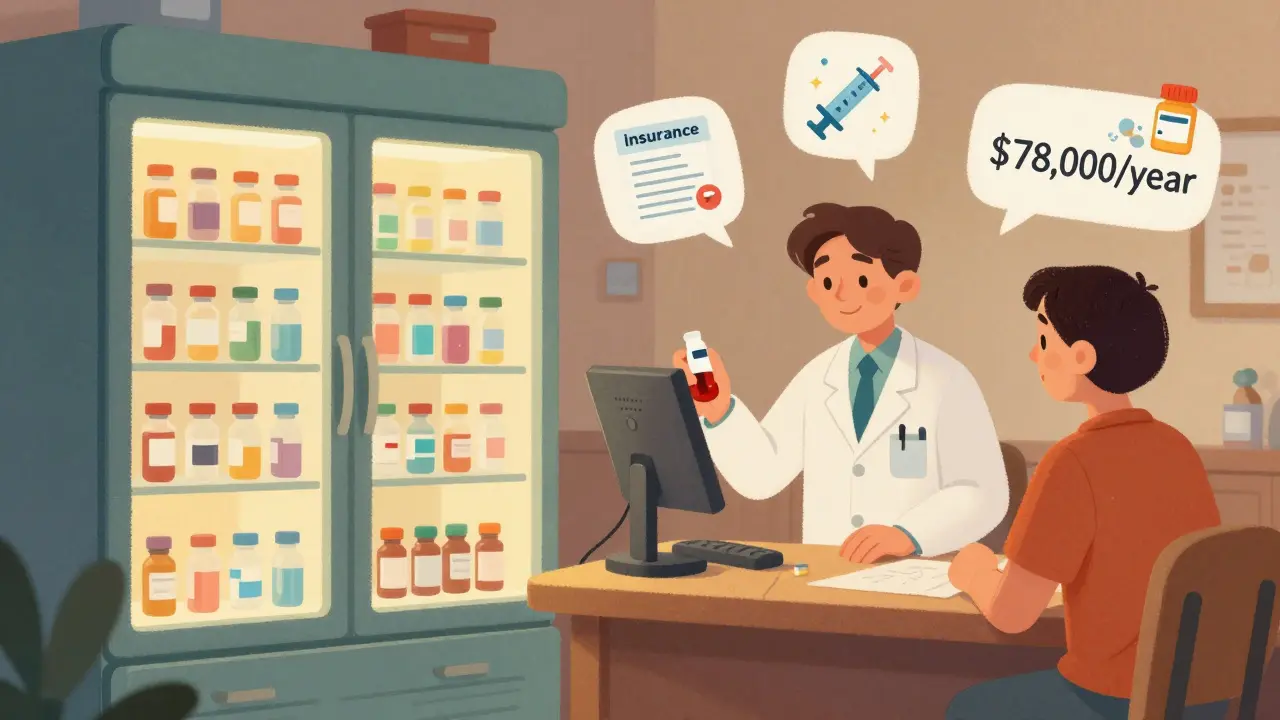
Specialty pharmacies handle high-cost, complex drugs for chronic conditions. As generics and biosimilars enter this space, they bring major cost savings-but also new risks and operational challenges for pharmacists and patients.
More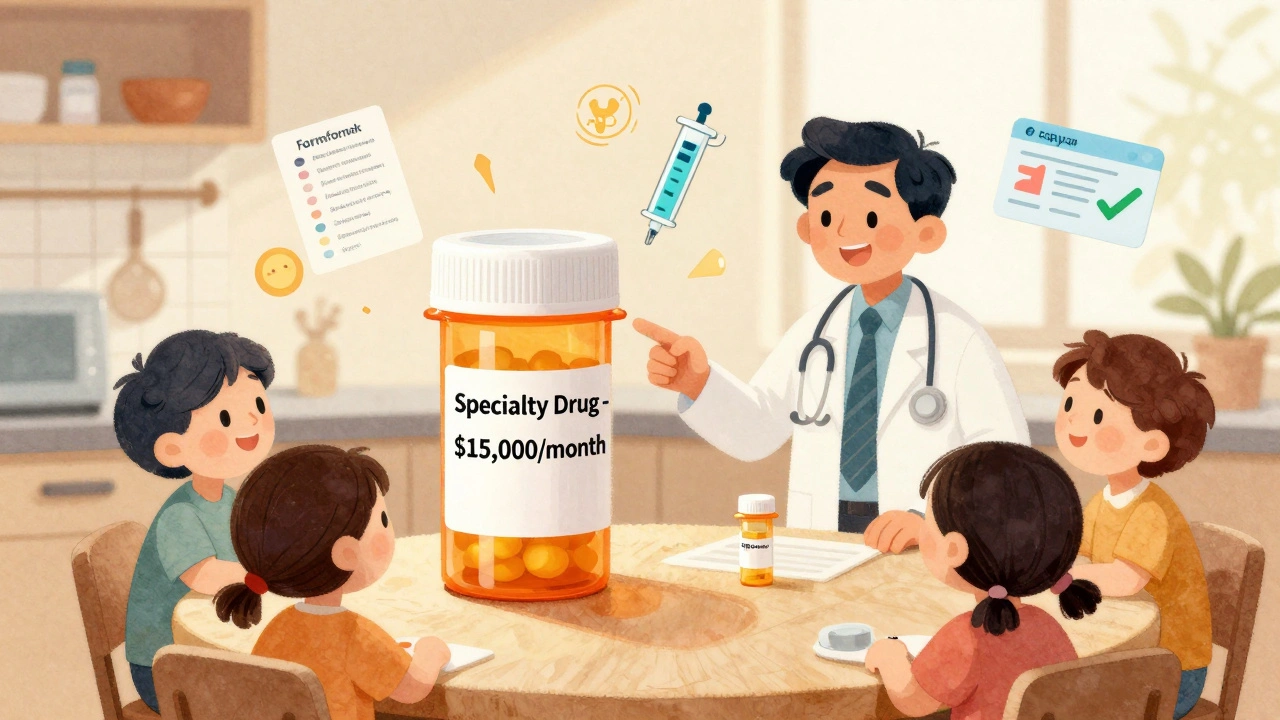
Specialty medications cost thousands per month, but proven strategies like biosimilars, narrow pharmacy networks, and treatment setting changes can slash costs by 40-50%. Learn how to save without sacrificing care.
More