
When it comes to managing heart failure or irregular heart rhythms, digoxin, a cardiac glycoside used for decades to strengthen heart contractions and slow rapid heart rates. Also known as digitalis, it’s one of the oldest heart medications still in use today. But here’s the catch: digoxin has a very narrow safety window. The difference between a helpful dose and a dangerous one is small—too much can cause serious side effects like nausea, confusion, or even life-threatening heart rhythms. That’s why digoxin toxicity, a condition caused by excessive levels of the drug in the blood is a real concern, especially in older adults or those with kidney problems.
Many people taking digoxin also use other heart meds like diuretics, drugs that remove extra fluid but can lower potassium and magnesium, which increases digoxin’s risk of toxicity. Low potassium or low magnesium doesn’t just make digoxin more dangerous—it makes it harder to control. That’s why regular blood tests for electrolytes and kidney function aren’t optional; they’re essential. And because digoxin interacts with so many other drugs—antibiotics, antifungals, even some over-the-counter supplements—it’s not something you adjust on your own. Your doctor needs to know everything you’re taking.
Not everyone needs digoxin anymore. Newer drugs like metoprolol, a beta-blocker that slows the heart and reduces strain, or amiodarone, an antiarrhythmic for stubborn irregular beats, often do the job better and safer. Even SGLT2 inhibitors, originally diabetes drugs now proven to help heart failure patients live longer, have pushed digoxin to the sidelines for many. But for some—especially those with atrial fibrillation and heart failure who haven’t responded to other treatments—digoxin still has a place. The key is knowing when it’s right, how to monitor it, and when to switch.
If you’re on digoxin, you’re not just taking a pill—you’re managing a tightrope walk. It’s not about avoiding the drug, but understanding how to use it safely. That means knowing the signs of trouble, keeping up with lab work, and asking questions when something feels off. Below, you’ll find real-world guides on how digoxin compares to other heart meds, how to spot early warning signs of toxicity, and what steps patients have taken to stay safe while staying on treatment. This isn’t theory. These are the stories and tools people use every day to balance effectiveness with safety.
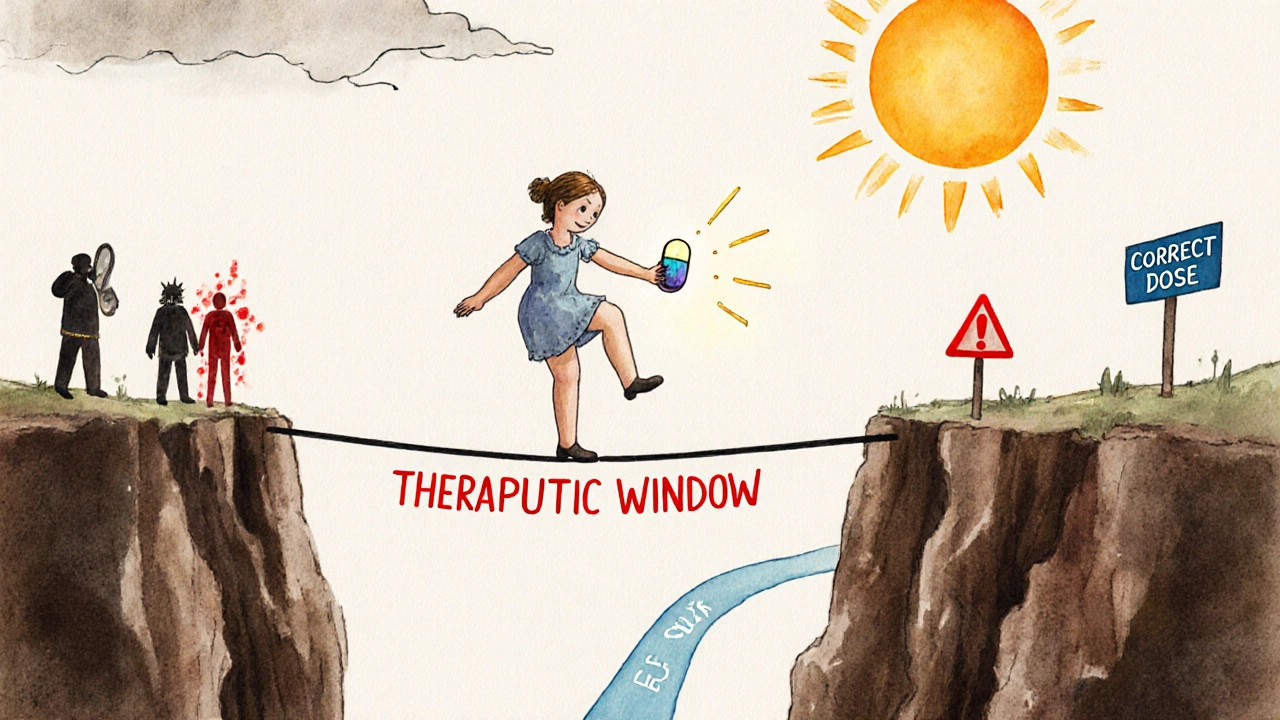
Expired medications with a narrow therapeutic index can be deadly. Learn why drugs like warfarin, lithium, and digoxin require strict adherence to expiration dates-and what happens if you take them after they expire.
More