
When your body holds onto too much fluid, it can lead to swelling, high blood pressure, or trouble breathing. That’s where diuretics, medications that help your kidneys remove excess water and salt from your body. Also known as water pills, they’re one of the most prescribed drug classes in the world. Diuretics don’t just make you pee more—they help your heart, kidneys, and blood vessels work better by reducing pressure and fluid overload.
There are different types of diuretics, each working in a slightly different part of your kidneys. Loop diuretics like furosemide act fast and are often used for heart failure or severe swelling. Thiazide diuretics, like hydrochlorothiazide, are common for high blood pressure and work more slowly. Then there are potassium-sparing diuretics, which help you keep important minerals while still removing fluid. These aren’t interchangeable—your doctor picks one based on your condition, other meds, and how your body responds.
Diuretics are often linked to blood pressure, a key health marker that affects your heart and arteries. Many people take them daily without knowing why—until they feel dizzy, get muscle cramps, or notice their pee habits changed. That’s because diuretics affect more than just fluid. They can lower potassium, sodium, and even magnesium levels. That’s why some people need supplements or blood tests to stay balanced. They’re not magic pills—they’re tools, and like any tool, they work best when used with the right understanding.
They also show up in stories about kidney function, how your kidneys filter waste and manage fluid balance. If your kidneys aren’t working right, diuretics can help take some of the load off. But if they’re too weak, the drugs might not work as well. That’s why doctors check kidney labs before and after starting them. And if you’re on other meds—like for heart failure, gout, or diabetes—diuretics can interact. It’s not just about taking a pill; it’s about knowing how it fits into your whole health picture.
You’ll find posts here that dive into how diuretics compare to other treatments, what side effects really matter, and how to talk to your doctor if you’re feeling off. Some people use them for swelling after surgery. Others take them for years to control blood pressure. A few even use them for athletic performance—though that’s risky and often illegal. What’s clear is this: diuretics are simple in concept but complex in practice. They’re not just about peeing more. They’re about balance, timing, and knowing when to push and when to hold back. Below, you’ll find real stories, comparisons, and insights from people who’ve lived with these meds—and the doctors who help them stay safe.
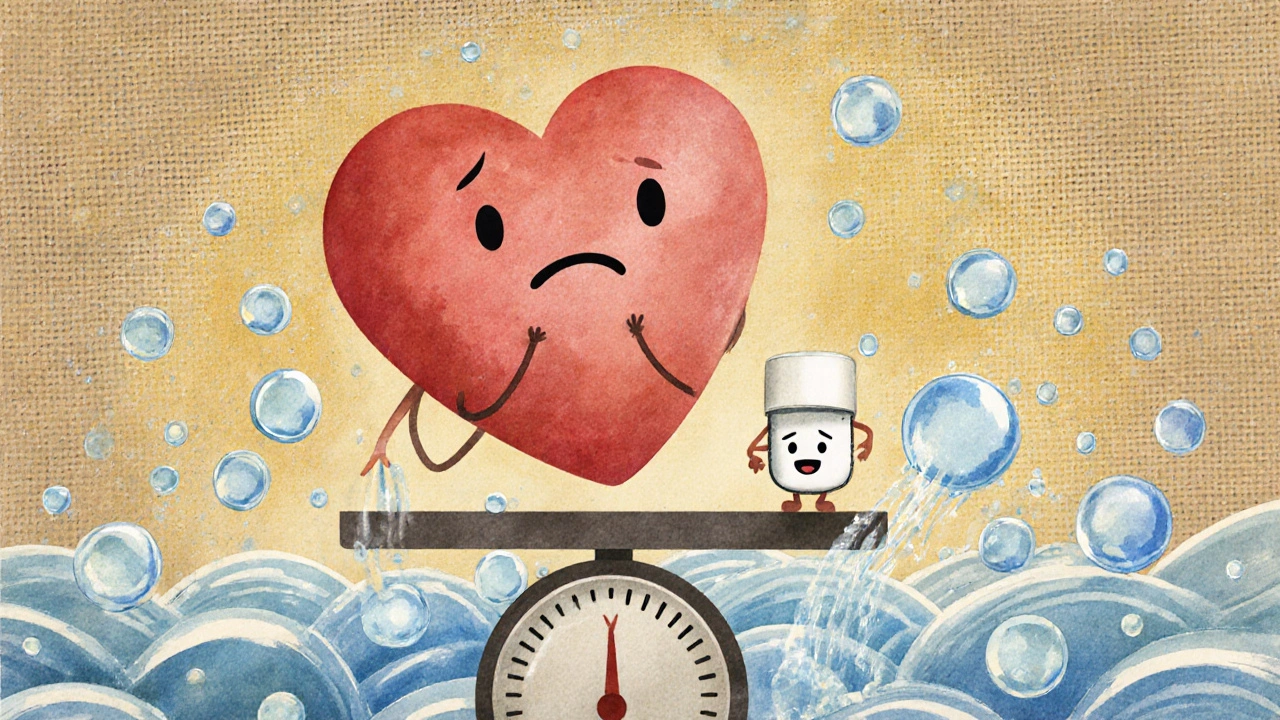
Diuretics help manage fluid in heart failure but often cause dangerous low potassium. Learn how to prevent and treat hypokalemia with proven strategies like MRAs, SGLT2 inhibitors, and smart monitoring.
More