
When you take a medication, you're trusting that it will help—not hurt. But drug safety, the practice of using medications in a way that minimizes harm while maximizing benefit. Also known as medication safety, it’s not just about following the label—it’s about understanding how your body reacts, what else you’re taking, and when to speak up. Every year, hundreds of thousands of people end up in the hospital because of preventable drug errors. Many of these aren’t mistakes by doctors or pharmacists—they’re gaps in what patients know.
Real drug interactions, when one medication changes how another works in your body can turn a safe pill into a danger. Take warfarin, for example. A single change in your diet or adding an over-the-counter painkiller can throw off your blood thinning. Or consider statins—they lower cholesterol, but can raise blood sugar in people already at risk for diabetes. Then there’s medication side effects, unwanted reactions that aren’t the intended purpose of the drug. Nausea from antibiotics? Diarrhea from muscle relaxants? These aren’t just annoyances—they’re warning signs. And if you ignore them, you might stop taking your medicine entirely, which can lead to antibiotic resistance or worsening conditions.
It’s not just about what’s in the bottle. How you store it matters too. Keeping opioids or benzodiazepines in an open cabinet puts kids and teens at risk. Throwing old pills in the trash? That’s a privacy risk—your name, dosage, and diagnosis are still on the label. Even the timing of your dose affects safety. Taking a pill with food when it should be on an empty stomach can make it useless—or worse, toxic.
What you’ll find here isn’t theory. These are real stories from people who learned the hard way: the dad who kept his naloxone ready after his son started on opioids, the woman who finally told her doctor her fatigue wasn’t just aging, the patient who caught a dangerous drop in potassium because she tracked her symptoms. This collection gives you the tools to spot red flags, ask the right questions, and take control before something goes wrong. No fluff. Just what you need to stay safe.
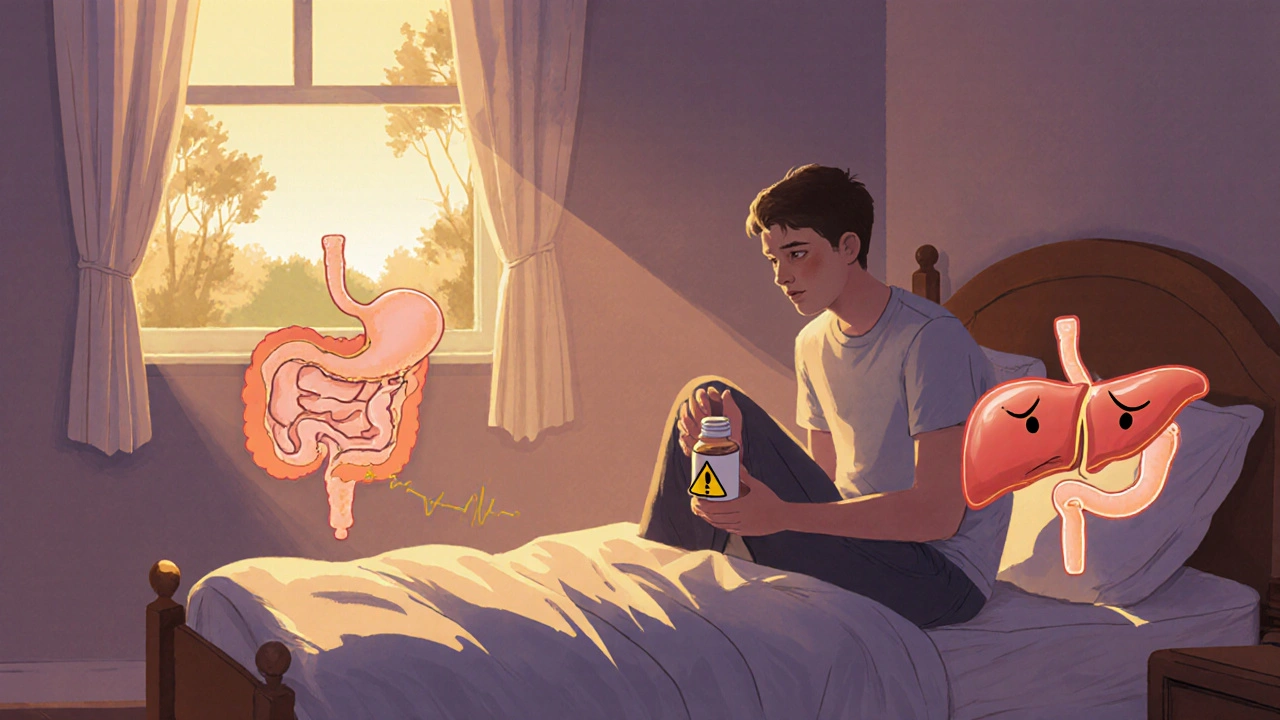
Learn how predictable and unpredictable drug side effects differ, why some reactions strike without warning, and what you can do to stay safe. Understand the real risks behind your medications.
More