
When your kidneys can't filter waste anymore, you're facing end-stage renal disease (ESRD), the final stage of chronic kidney disease where dialysis or a transplant becomes necessary to survive. Also known as kidney failure, this isn't just about stopping toxins—it's about keeping your heart, bones, and blood pressure stable every single day. Most people with ESRD need dialysis, a process that filters blood outside the body using a machine three times a week, or a kidney transplant, a surgical replacement with a healthy donor kidney. But neither option is a cure. Both come with strict rules: fluid limits, special diets, and meds that keep your electrolytes from going haywire.
Many think dialysis is the only path, but transplant offers better long-term survival and quality of life—if you're eligible. Still, waiting lists are long, and not everyone can handle surgery. That’s why some people stay on dialysis for years, managing side effects like fatigue, low blood pressure, and itchy skin. What most don’t realize? The drugs you take alongside treatment matter just as much. Medications for anemia, phosphate binders, and vitamin D aren’t optional—they’re the glue holding your system together. And skipping them? That’s how you end up in the ER with a heart rhythm gone wrong or bones turning brittle.
There’s no magic fix, but the people who do best are the ones who treat their ESRD like a full-time job. They track their fluid intake, know their lab numbers, and speak up when something feels off. You’ll find real stories here about how people cut costs on dialysis supplies, handle medication side effects without quitting, and avoid the traps that land others back in the hospital. Whether you’re newly diagnosed, caring for someone with ESRD, or just trying to understand the options, these posts give you the no-fluff facts you need to make smarter choices every day.
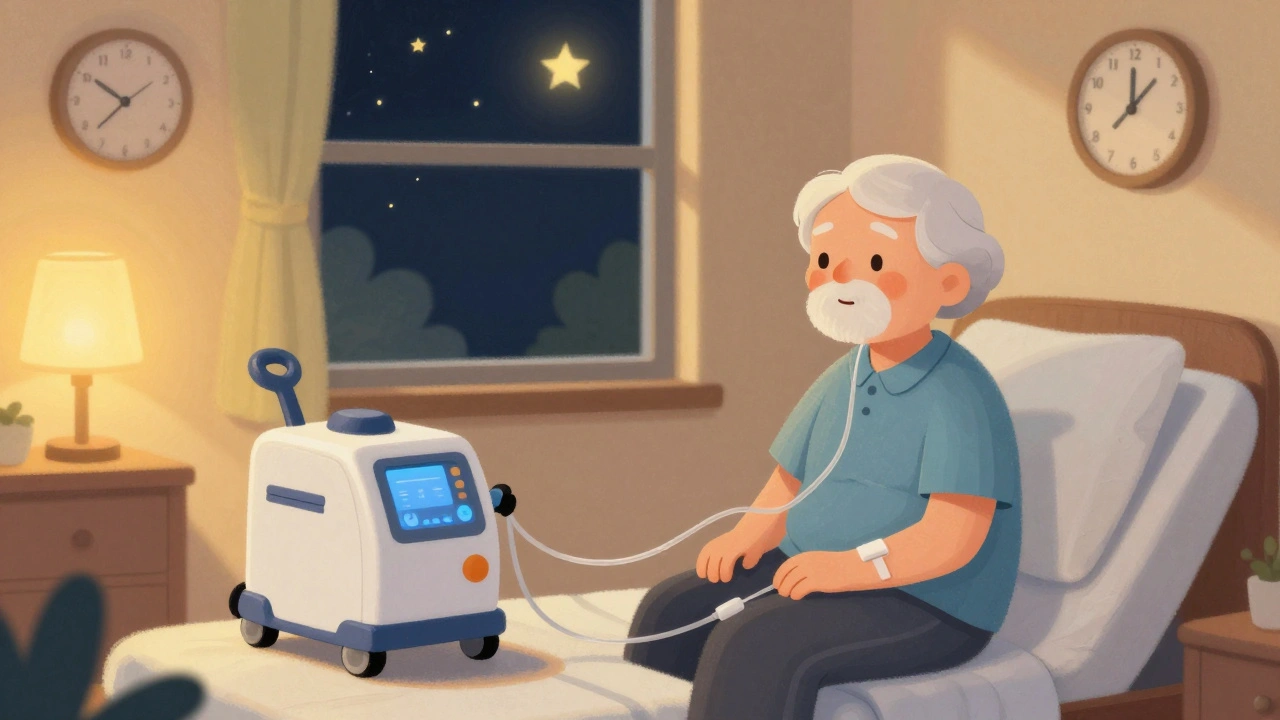
Hemodialysis and peritoneal dialysis both replace kidney function, but they work differently. Learn how each affects your body, lifestyle, and long-term health-so you can choose what fits you best.
More