
When we talk about fall prevention, the set of strategies used to reduce the risk of accidental falls, especially in older adults and those on chronic medications. Also known as fall risk reduction, it's not just about installing handrails—it's about understanding how your body, your medicines, and your environment interact. Every year, millions of people over 65 fall, and many of those falls aren’t accidents. They’re the quiet result of side effects from medications, poor balance, or hidden hazards in the home. The truth? A simple pill you take every day might be making you unsteady without you even knowing it.
Take medication risks, the unintended effects drugs can have on movement, cognition, and blood pressure. Drugs like sedatives, blood pressure pills, and even some antidepressants can lower your blood pressure too fast when you stand up, making you dizzy. Others, like muscle relaxants or sleep aids, slow your reflexes. Studies show that people taking four or more medications have a 40% higher chance of falling. And it’s not just the drugs themselves—it’s how they interact. A pill that’s fine alone might become dangerous when mixed with another. That’s why knowing what’s in your medicine cabinet matters as much as knowing how to use it.
elderly safety, the practice of adapting living spaces and routines to reduce injury risk for older adults goes beyond grab bars and non-slip mats. It’s about lighting, clutter, footwear, and even the height of your couch. But it also includes knowing when to ask your doctor about cutting or changing a drug. Many people don’t realize that stopping a medication can be just as important as starting one—especially if it’s contributing to dizziness or confusion. And it’s not just for seniors. People with chronic conditions like diabetes, heart failure, or Parkinson’s are also at higher risk. The goal isn’t to eliminate all risk—it’s to reduce the most dangerous ones.
Then there’s balance disorders, conditions that affect your sense of stability and spatial orientation, often caused by inner ear issues, nerve damage, or medication side effects. These aren’t always obvious. You might not feel like you’re dizzy, but if you’re shuffling your feet, holding onto walls, or avoiding stairs, your body is already compensating. Simple tests—like standing on one foot for 10 seconds—can reveal early warning signs. Physical therapy, tai chi, and even walking with proper shoes can help rebuild confidence and strength.
And don’t forget the home. A loose rug, a dark hallway, or a phone charger stretched across the floor can be just as dangerous as a slippery bathtub. Many of the posts below show how people are managing these risks—whether it’s using a lockbox to keep high-risk meds out of reach, adjusting how they take their pills with food to avoid dizziness, or learning how to report side effects that could lead to a fall. You’ll find real stories about people who’ve cut their fall risk by changing just one thing: their medication timing, their lighting, or their daily walk routine.
This collection doesn’t just list tips. It shows you the real connections—how a blood pressure drug might lead to a fall, how a forgotten pill bottle can become a tripping hazard, how a simple conversation with your doctor can change everything. You don’t need to be old to care about fall prevention. You just need to care about staying steady on your feet.
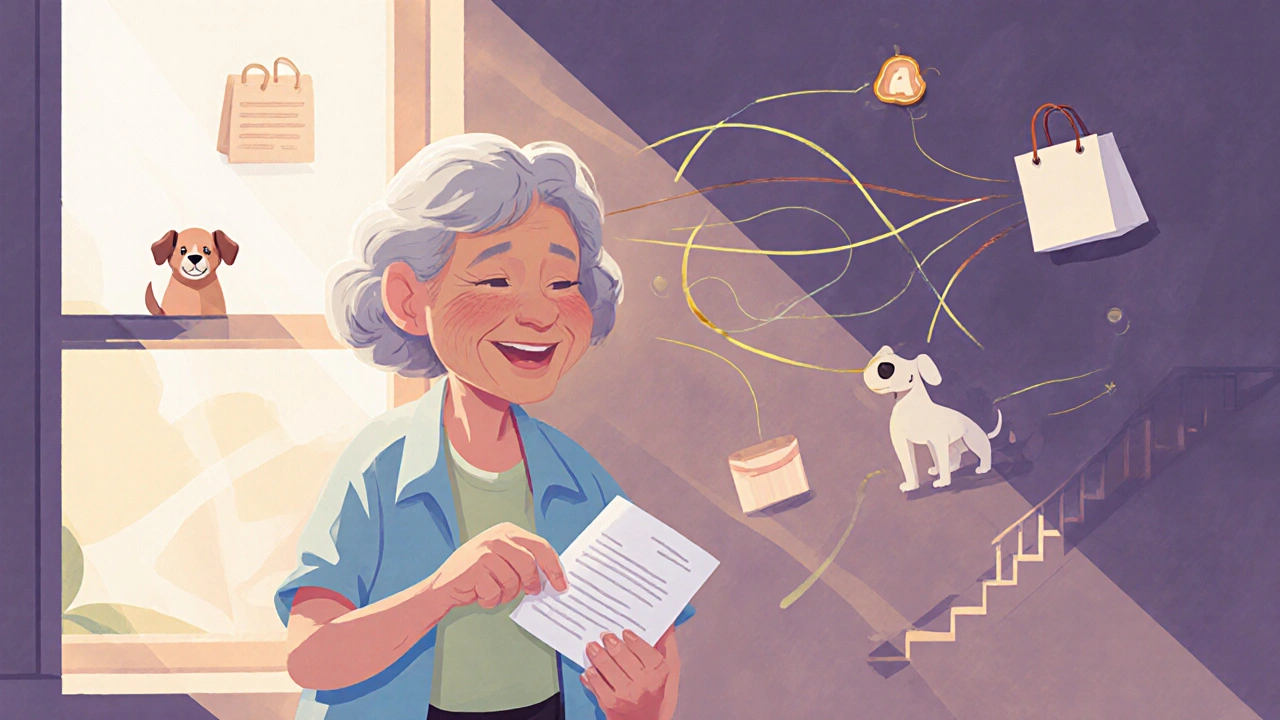
Vestibular rehabilitation therapy uses targeted exercises to improve balance, reduce dizziness, and prevent falls. Proven to help 89% of patients regain daily activities, it’s a drug-free solution for age-related and inner ear balance disorders.
More