
When you need to take a drug every day for years—maybe for high blood pressure, diabetes, or thyroid issues—you’re likely on a generic maintenance medication, a long-term, low-cost version of a brand-name drug that works the same way but costs far less. Also known as generic prescriptions, these drugs are the backbone of chronic disease management for millions of people in the U.S. and around the world. They’re not optional extras. They’re the reason someone with diabetes stays out of the hospital, or someone with high cholesterol avoids a heart attack. And unlike painkillers you take once in a while, these meds are meant to be taken daily, often for life.
What makes a drug a "maintenance" medication? It’s simple: if you take it regularly to prevent something bad from happening—not to fix something right now—it’s maintenance. Think of it like oil changes for your car. You don’t wait until the engine seizes. You do it on schedule. That’s what generic maintenance medications, like metformin for diabetes or lisinopril for high blood pressure do for your body. They’re not flashy. They don’t make headlines. But they’re the quiet heroes keeping you alive and well. And because they’re generic, they’re often just a few dollars a month—sometimes even free with programs like Medicare Extra Help, a federal program that cuts out-of-pocket costs for low-income seniors on Part D.
But here’s the catch: taking these meds every day sounds easy until you forget one dose, run out, or get scared by a side effect. That’s why so many people stop. One in three people on long-term meds don’t take them as prescribed. And that’s not laziness—it’s confusion, cost, or fear. You might wonder: "Is this pill really necessary?" or "Why am I taking this if I feel fine?" That’s normal. But skipping doses can lead to strokes, kidney damage, or worse. The good news? There are real, practical ways to stay on track. Automated refills, lockboxes for safety, knowing when to talk to your doctor about side effects, and understanding your prescription label all make a difference. You don’t need to be a medical expert. You just need to know what to look for.
Below, you’ll find real, no-fluff guides on how to handle these meds safely and smartly. Learn how to protect your privacy when tossing old bottles, how to spot dangerous interactions with food, why expired drugs like warfarin can be deadly, and how to use tools like pill organizers or online pharmacies to never miss a dose. You’ll also see how drugs like statins can affect blood sugar, why diuretics can drop your potassium too low, and how immunosuppressants interact with other conditions. This isn’t theory. These are the exact issues people face every day—and the exact solutions that work.
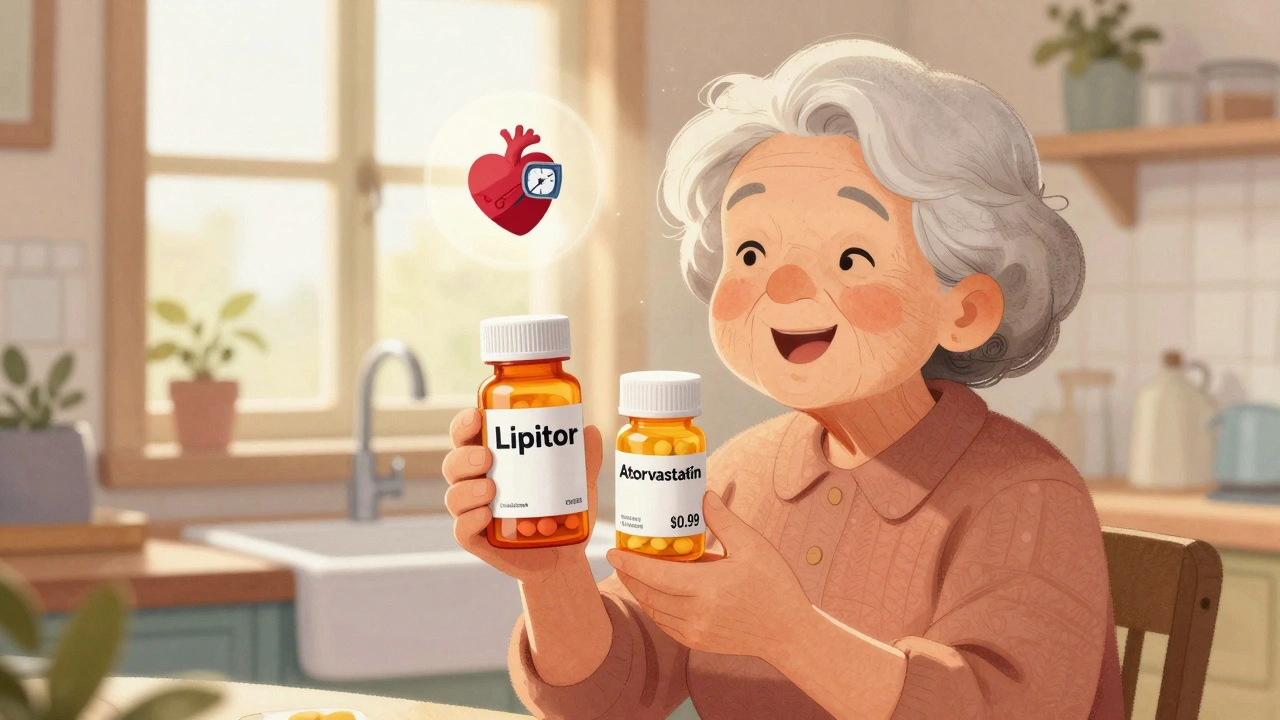
Switching to generic maintenance medications can save money without losing effectiveness for most chronic conditions. Learn how to make the transition safely, spot potential issues, and stay in control of your health.
More