
When you hear generic medicines, pharmaceutical products that contain the same active ingredients as brand-name drugs but are sold under their chemical name. Also known as generic drugs, they are the backbone of affordable healthcare worldwide. They’re not cheaper because they’re weaker—they’re cheaper because they don’t carry the marketing and development costs of the original brand. The FDA and similar agencies around the world require them to match the brand-name version in dosage, strength, route of administration, and performance. That means if your doctor prescribes a generic version of a blood pressure pill, it works just as well as the name-brand one.
Many people worry that generics are "second-rate," but that’s not true. The same factories often make both brand-name and generic versions. What changes is the label, the color, the shape, and the price. For example, the generic version of duloxetine, an antidepressant and pain reliever also sold as Cymbalta works the same way in your body. Same molecule. Same effect. Same risks. Same benefits. And when you buy generic Zovirax, the antiviral medication used to treat herpes outbreaks, also known as acyclovir, you’re getting the exact same compound that’s been used for decades. The only difference? You might save 80%.
But knowing they’re safe isn’t enough—you need to know how to use them right. Some generics have different fillers or coatings, which can affect how fast they dissolve. That’s why it matters to stick with the same generic brand if you notice a change in how you feel. And while most generics are interchangeable, always check with your pharmacist if you’re switching between brands, especially for drugs with narrow therapeutic windows like warfarin or thyroid meds. Also, don’t confuse generics with counterfeit drugs. Buying online? Only use verified pharmacies. Sites selling "cheap generic Cymbalta" without a prescription are risky. Legit generics come with proper labeling, batch numbers, and are dispensed by licensed professionals.
Why does this matter to you? Because medication costs are one of the biggest reasons people skip doses or stop treatment. A study from the American Heart Association found that patients on generic statins were 20% more likely to stick with their treatment than those on brand-name versions. That’s not just savings—that’s saved lives. Whether you’re managing diabetes with generic metformin, controlling cholesterol with generic atorvastatin, or treating allergies with generic loratadine, you’re not settling. You’re choosing smart.
Below, you’ll find real, practical guides on how to use these medicines safely, how to spot the difference between good and bad sources, how to talk to your doctor about switching, and how to avoid hidden risks like interactions with food or other drugs. From how statins, a class of cholesterol-lowering drugs, can slightly raise blood sugar in some people to why PCSK9 inhibitors, a newer class of injectable cholesterol drugs often used when statins aren’t enough are sometimes needed, you’ll see how generics fit into the bigger picture of your health. These aren’t theoretical articles. They’re written by people who’ve seen patients struggle with cost, confusion, and fear—and found real solutions.
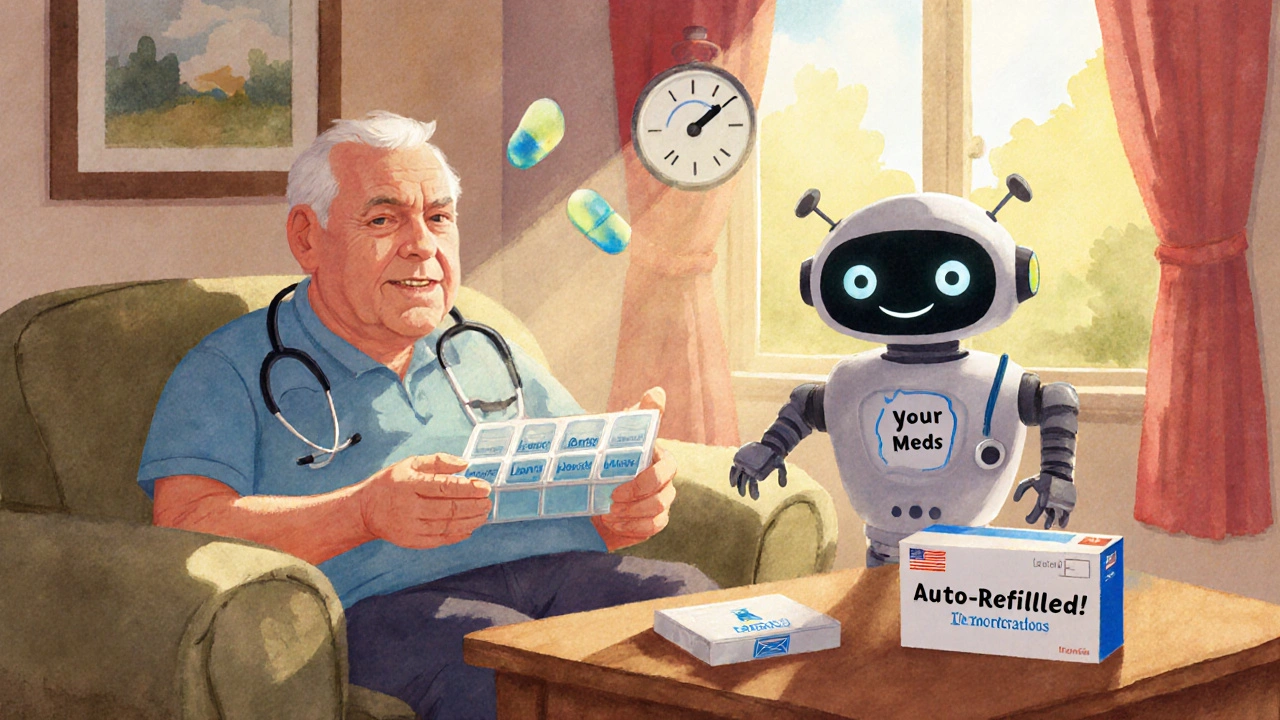
Automated refills for generic medicines help patients stay on track with chronic meds by eliminating refill reminders and missed doses. Learn how online pharmacies make adherence easier-and what to watch out for.
More