
When you pick up a prescription, you might see two names: one you recognize, and another that looks like a random string of letters. That’s the difference between generic vs brand name, two versions of the same medicine, where the generic contains the same active ingredient as the original but is sold without the brand name. Also known as non-brand drugs, they’re not cheaper because they’re weaker—they’re cheaper because the company didn’t spend millions on ads or patents. The FDA requires generics to work the same way, in the same amount, and with the same safety profile as the brand version. If your doctor prescribes Lipitor, and you get atorvastatin instead, you’re getting the exact same molecule. Same effect. Same risks. Same benefits.
But not all drugs are created equal when it comes to switching. For medications with a narrow therapeutic index, drugs where even tiny changes in dosage can cause serious harm or reduced effectiveness—like warfarin, lithium, or thyroid meds—some doctors and patients prefer sticking with one version. Why? Because small differences in how the body absorbs the drug can add up. That doesn’t mean generics are unsafe here; it just means consistency matters more. If you’ve been stable on a brand for years, switching to a generic might require closer monitoring. But for most people, switching to generic saves hundreds a year with zero loss in results.
Then there’s the cost gap. A brand-name drug can cost $300 a month. The generic? Often under $10. That’s why programs like Medicare Extra Help, a federal program that cuts out-of-pocket drug costs for low-income beneficiaries push people toward generics—they’re the backbone of affordable care. And with automated refills for generic medicines, a system that ensures you never run out of your cheapest, most effective option, staying on track gets easier than ever. You don’t need to be a pharmacist to understand this: if two pills do the same thing, and one costs a tenth as much, the smarter choice is obvious.
Still, confusion lingers. Some people think generics are made in lesser factories (they’re not—often the same ones make both). Others believe the inactive ingredients matter more than they do (they rarely do). And while brand names come with fancy packaging and TV ads, generics come with receipts you can actually afford. The truth is simple: for the vast majority of medications, generic is not a compromise. It’s the standard.
What you’ll find below are real stories and clear facts about how this plays out in everyday life—from saving money on heart meds to understanding why your doctor might hesitate to switch you on a critical drug. Whether you’re managing diabetes, high cholesterol, or just trying to stretch your budget, the choices you make between generic and brand aren’t just about price. They’re about control, safety, and knowing exactly what you’re taking—and why it works.
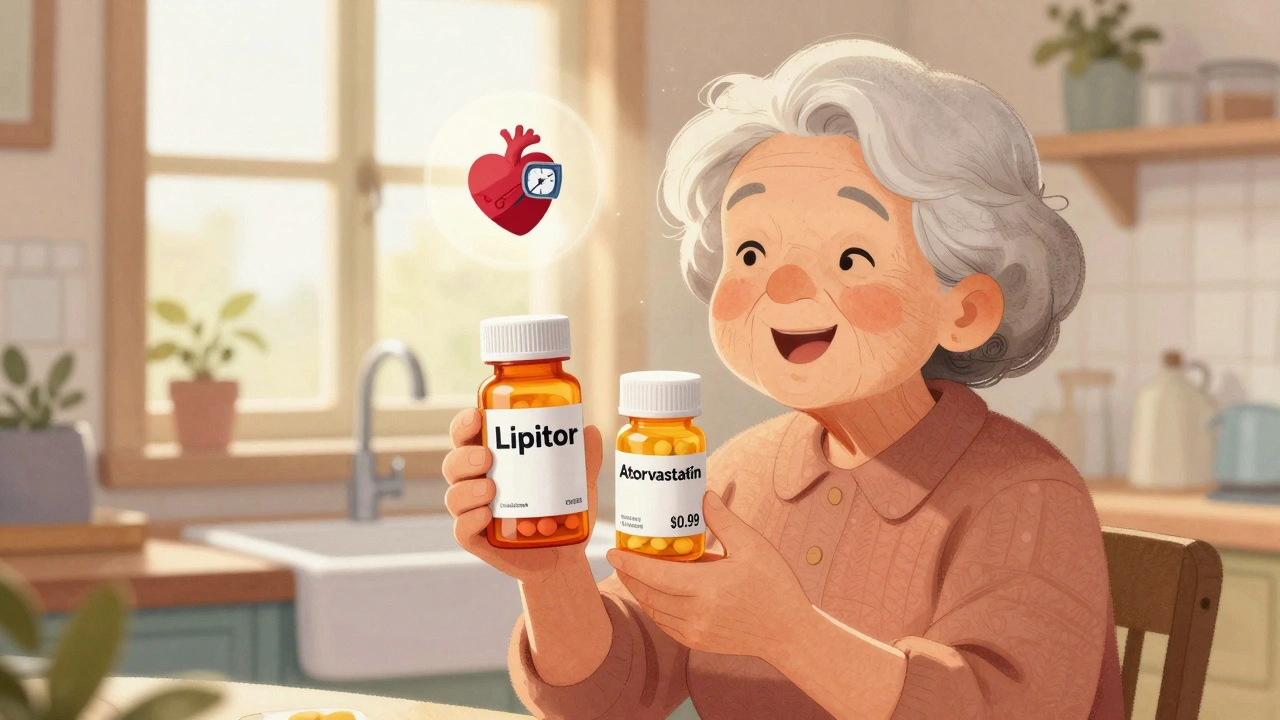
Switching to generic maintenance medications can save money without losing effectiveness for most chronic conditions. Learn how to make the transition safely, spot potential issues, and stay in control of your health.
More