
When someone says heart failure, a condition where the heart can't pump enough blood to meet the body's needs. Also known as congestive heart failure, it doesn't mean the heart has given up—it means it's struggling to keep up. Think of it like a worn-out pump in your home’s water system: it’s still running, but not as strongly as it should. This isn’t a single disease, but a syndrome with many causes—high blood pressure, damaged heart muscle from a past heart attack, or even long-term valve problems.
Many people with heart failure are on medications that help the heart work better or reduce the strain on it. digoxin, a drug that strengthens heart contractions and slows certain irregular rhythms has been used for over 200 years and is still part of treatment plans today. Others take anticoagulant medications, drugs that prevent dangerous blood clots because heart failure can cause blood to pool and clot, raising the risk of stroke. And for those with both heart failure and high cholesterol, statins, cholesterol-lowering drugs that also reduce inflammation in blood vessels are often prescribed—not just for their lipid effects, but because they help protect the heart muscle over time.
Heart failure doesn’t happen overnight. It’s usually the result of years of uncontrolled risk factors: high blood pressure, diabetes, obesity, or smoking. But the good news? Managing those risks can slow or even stop its progress. Lifestyle changes like reducing salt, staying active within your limits, and tracking your weight daily can make a real difference. Medications don’t cure it, but they help you live longer and feel better. Some people need devices like pacemakers; others need to adjust their meds as their condition shifts. It’s not one-size-fits-all, and that’s why understanding your specific situation matters.
What you’ll find below is a collection of real, practical articles that connect directly to heart failure management. You’ll see how drugs like digoxin compare to newer options, how anticoagulants fit into the bigger picture, and why statins are often part of the plan—even when diabetes is also a concern. There are no fluff pieces here. Just clear, evidence-backed info on what works, what doesn’t, and what you should ask your doctor about.
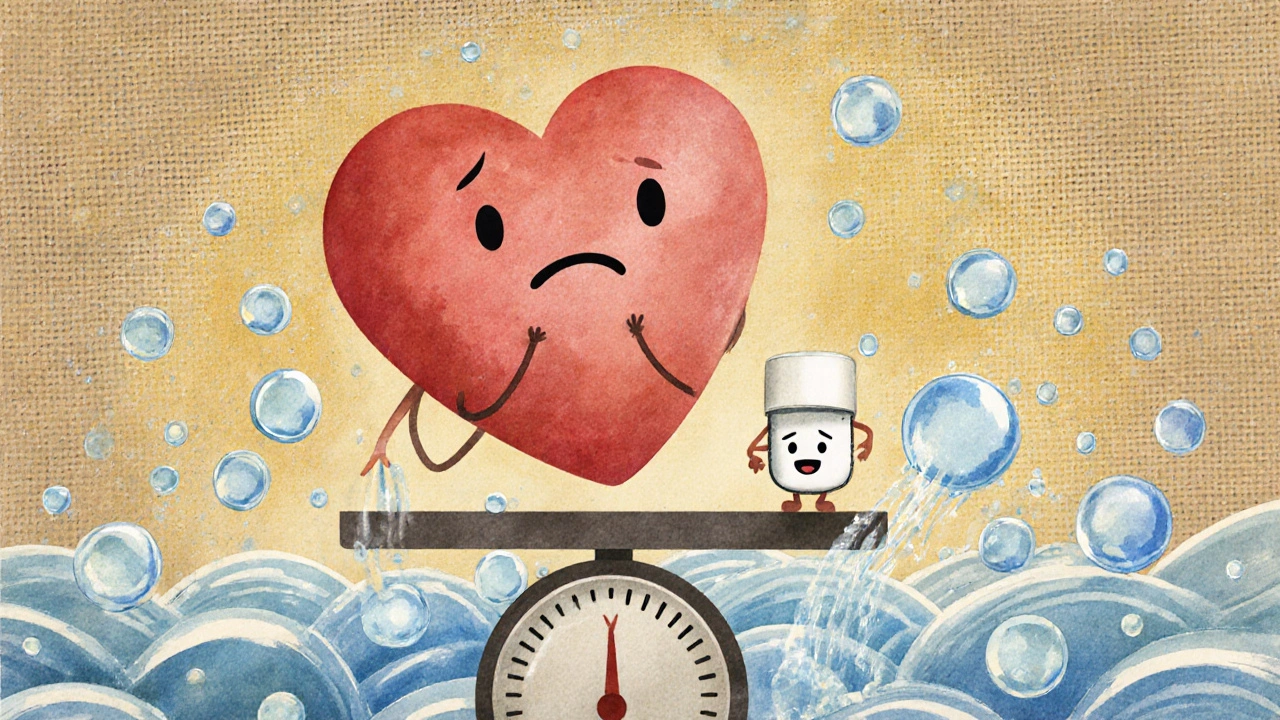
Diuretics help manage fluid in heart failure but often cause dangerous low potassium. Learn how to prevent and treat hypokalemia with proven strategies like MRAs, SGLT2 inhibitors, and smart monitoring.
More