
When we talk about high-risk drugs, medications that can cause serious harm if not used correctly, often requiring close monitoring or special precautions. Also known as dangerous medications, they include drugs like anticoagulants, blood thinners that prevent clots but can cause life-threatening bleeding, statins, cholesterol-lowering pills that protect the heart but may raise blood sugar in some, and immunosuppressants, drugs that calm the immune system but increase infection or cancer risks. These aren’t dangerous because they’re weak—they’re dangerous because they’re powerful.
What makes a drug high-risk isn’t just its side effects. It’s how easily things can go wrong. A tiny dose mistake with an anticoagulant can lead to a stroke or internal bleeding. Taking statins with certain foods or other meds can trigger muscle damage. Even something as common as diuretics for heart failure can drop your potassium so low it causes irregular heartbeat. These aren’t rare events—they happen every day in clinics and homes because people don’t know what to watch for. That’s why understanding high-risk drugs isn’t just about reading labels. It’s about knowing who’s most at risk, what symptoms to report, and how to talk to your doctor before something serious happens.
Many of the posts in this collection focus on real-world cases where these drugs caused problems—or saved lives when used right. You’ll find stories about patients managing hypokalemia from diuretics, others navigating the trade-offs between statins and diabetes risk, and people learning how to monitor their health while on immunosuppressants after cancer. There’s also guidance on how to ask your doctor about side effect burden, when off-label use makes sense, and how genetic factors like Factor V Leiden can turn a standard treatment into a hidden danger. These aren’t theoretical concerns. They’re daily realities for millions. The goal here isn’t to scare you off your meds. It’s to help you use them wisely—so you get the benefit without the backlash.
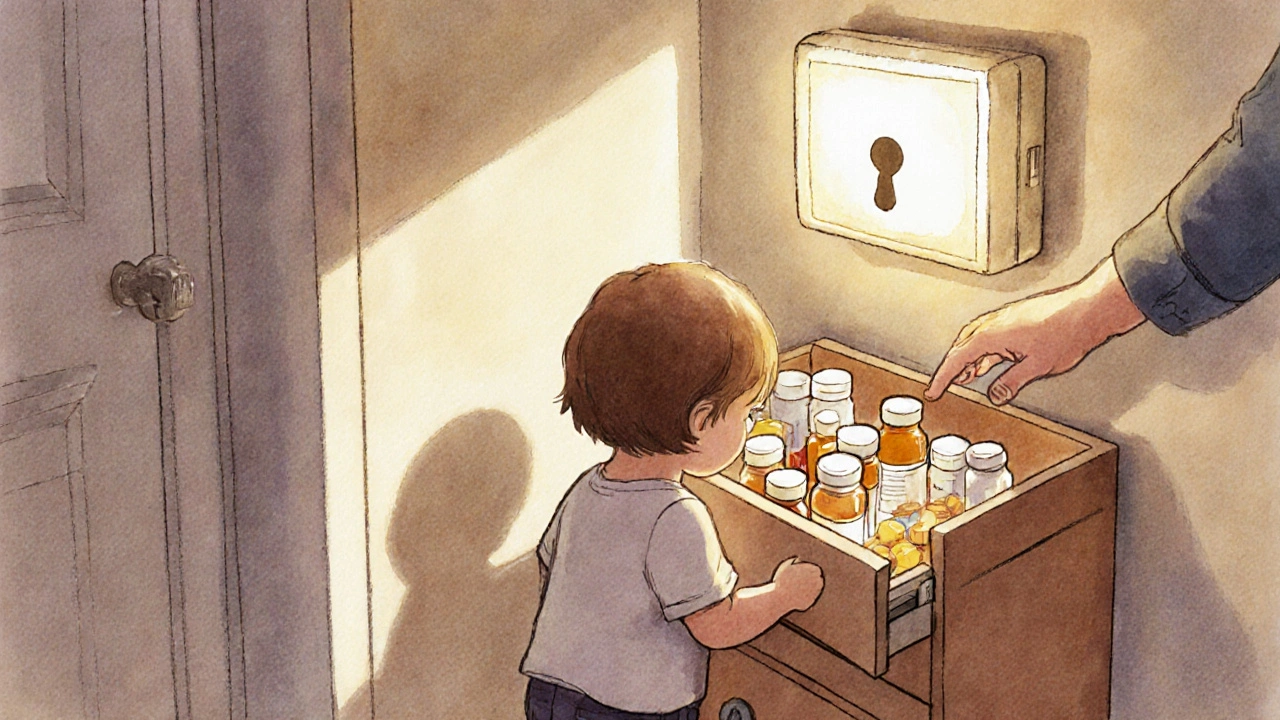
Learn how to use a medication lockbox to safely store high-risk drugs like opioids and benzodiazepines at home. Prevent accidental poisonings, misuse, and theft with proven, expert-recommended steps.
More