
When your kidneys stop working, your body can't filter waste or balance fluids on its own. That’s where kidney dialysis, a medical treatment that filters and purifies the blood using a machine when the kidneys can no longer do the job. Also known as renal dialysis, it’s not a cure—but for millions, it’s a lifeline. Without it, toxins build up fast, leading to confusion, swelling, heart problems, and worse. People turn to dialysis when they have chronic kidney disease, a progressive loss of kidney function over time, often caused by diabetes or high blood pressure that’s reached its final stage. It’s not just for the elderly—people in their 30s, 40s, and 50s rely on it too.
There are two main types of kidney dialysis, a treatment that replaces kidney function by removing waste and excess fluid from the blood: hemodialysis and peritoneal dialysis. Hemodialysis uses a machine outside your body to clean your blood through tubes connected to a vein, usually done three times a week at a clinic. Peritoneal dialysis uses the lining of your belly as a filter, with a fluid that’s swapped in and out through a catheter—often done at home, overnight. Each has trade-offs: one requires more trips to a center, the other needs daily care and a clean space. Neither is easy, but both let people live longer, stay active, and avoid the slow decline that comes with untreated kidney failure.
Side effects are common. Low blood pressure during dialysis, muscle cramps, itching, and fatigue show up often. Some people get infections at the access site, especially with catheters. Over time, bone and heart problems can develop if minerals like phosphorus and calcium aren’t tightly controlled. That’s why diet matters just as much as the treatment—limiting salt, potassium, and fluids isn’t optional. Medications like phosphate binders and erythropoietin help manage these issues. Many patients also deal with depression or anxiety. It’s not just physical—it’s emotional, too.
What you won’t find in most brochures is how much this affects daily life. Planning meals around dialysis schedules. Carrying extra clothes in case of leaks. Missing work or family events because you’re tied to a machine. But people adapt. They find routines. They join support groups. They learn to speak up when something feels off. And with better monitoring, newer machines, and smarter treatments, survival rates and quality of life have improved a lot in the last decade.
The posts below cover real-world issues tied to kidney dialysis—from how to manage medications safely when your body is under stress, to understanding how insurance and copays impact access to care. You’ll find advice on reducing drug costs, spotting dangerous side effects, and making sense of complex treatments. Whether you’re a patient, caregiver, or just trying to understand what dialysis really means, these articles give you the practical, no-fluff info you need to navigate it all.
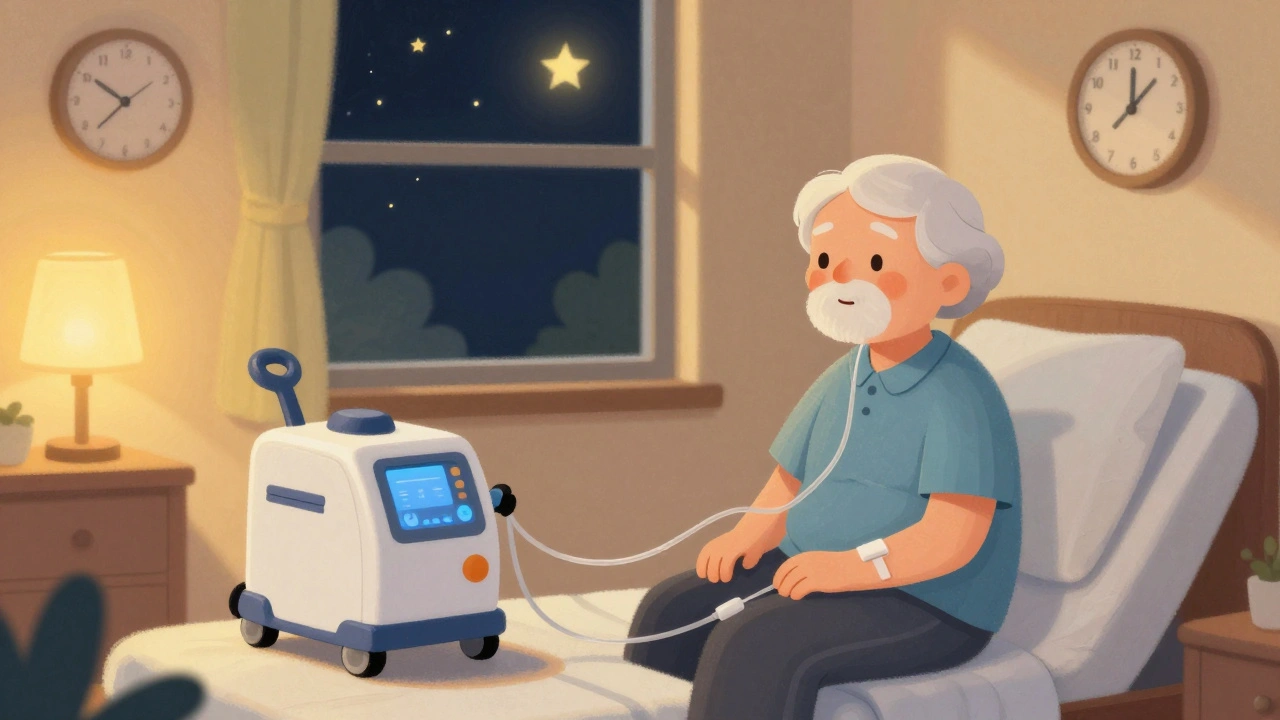
Hemodialysis and peritoneal dialysis both replace kidney function, but they work differently. Learn how each affects your body, lifestyle, and long-term health-so you can choose what fits you best.
More