
When you take a medication timing, the specific time of day or relationship to meals when a drug is taken to optimize its effect and minimize side effects. Also known as dosing schedule, it plays a bigger role in your health than most people realize. Taking a pill at the wrong time can cut its effectiveness in half—or make side effects worse. It’s not just about remembering. It’s about working with your body’s rhythms, digestion, and how your liver processes drugs.
For example, drug absorption, how quickly and completely a medication enters your bloodstream after ingestion changes based on whether you take it on an empty stomach or with food. Statins, like simvastatin, work better at night because your liver makes most cholesterol while you sleep. Diuretics? Taking them in the afternoon can mean midnight bathroom trips. And antibiotics like doxycycline? Eat too close to them and they won’t absorb at all. Even something as simple as medication adherence, how consistently a patient takes their prescribed drugs at the right time ties directly to whether your treatment works. Studies show people who stick to their timing have fewer hospital visits and better outcomes, especially with chronic conditions like high blood pressure, diabetes, or heart failure.
Some drugs need to be spaced evenly—every 8 or 12 hours—to keep steady levels in your blood. Others rely on meal timing to reduce stomach upset or boost absorption. Think about how pill schedule, a personalized plan for when to take each medication throughout the day fits into your life. If you’re on five meds, trying to remember when to take each one without mixing them up is exhausting. That’s why tools like pill organizers, phone alarms, and automated refills (like those mentioned in our posts) help so much. But even the best tool won’t fix bad timing. If you take your thyroid pill with coffee or your blood thinner with grapefruit juice, you’re undoing the work of your doctor and pharmacist.
And it’s not just about the drug itself. Your body’s internal clock affects how it handles everything from painkillers to antidepressants. Cortisol levels rise in the morning, which is why some anti-inflammatories are more effective then. Blood pressure naturally dips at night, so taking certain meds at bedtime can lower heart attack risk. These aren’t guesses—they’re backed by research, and they’re why your doctor or pharmacist might ask, "When do you usually take this?"
There’s no one-size-fits-all answer. A medication that works fine taken with breakfast might cause nausea if taken on an empty stomach. A drug that needs to be taken twice daily might be easier to manage if paired with your morning coffee and evening shower. That’s why we’ve gathered real stories and expert advice on how people manage complex regimens—like using lockboxes for high-risk drugs, automating refills for chronic meds, or adjusting timing to avoid side effects. You’ll find practical tips on diabetes meds, heart drugs, antibiotics, and more—all focused on one thing: getting the most out of every pill you take.
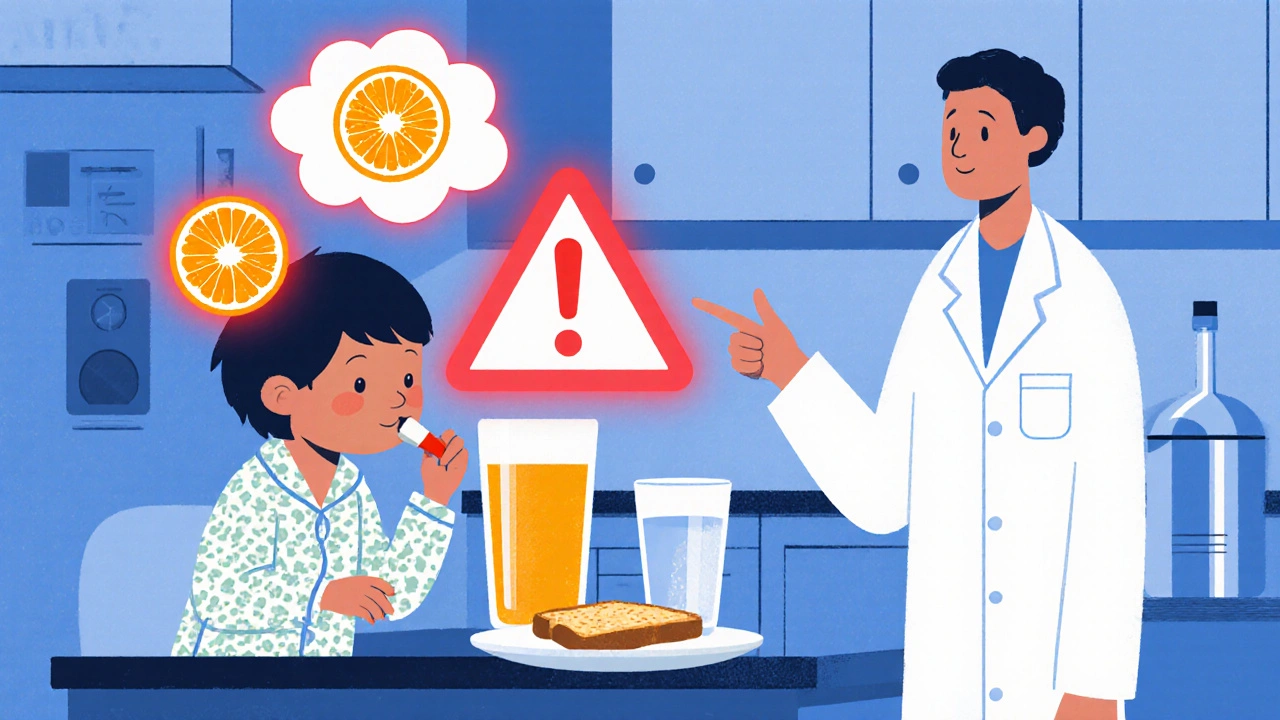
Learn how food affects medication absorption, when to take pills with or without meals, and how to avoid dangerous interactions that can reduce effectiveness or cause side effects.
More