
When you take a pill, what you eat at the same time can make it work better, worse, or even dangerous. This isn’t just a footnote in the leaflet—it’s medications with food, how the chemicals in your drugs react with what’s in your stomach. Also known as drug-food interactions, it’s something that affects nearly everyone on regular meds, from blood pressure pills to antibiotics. A grapefruit can turn a heart drug into a poison. Calcium in milk can block your thyroid medicine. Coffee can make your ADHD meds jittery. These aren’t myths—they’re proven, documented risks.
Medication absorption, how your body takes in the drug changes based on whether your stomach is full or empty. Some drugs need food to dissolve properly—like certain antibiotics or antifungals. Others need an empty stomach so they don’t get trapped in fat or fiber. Drug-food interactions, the science behind what happens when medicine meets meals can alter how fast a drug enters your blood, how strong it gets, or even how long it lasts. For example, statins work better with dinner, while levothyroxine must be taken on an empty stomach, 30 to 60 minutes before breakfast. Missing that window can mean your thyroid levels stay off for weeks.
It’s not just about timing. Certain foods are outright enemies. Dairy ruins tetracycline. Leafy greens mess with blood thinners like warfarin. Alcohol can turn painkillers into liver bombs. Even something as simple as a banana can be risky if you’re on ACE inhibitors—too much potassium, and your heart could skip a beat. These aren’t rare cases. Studies show over 90% of people on multiple medications have at least one risky food habit they don’t know about.
You don’t need to memorize a 200-page guide. You just need to know the basics: check the label, ask your pharmacist, and keep a simple log of what you eat and when you take your pills. If you’re on five or more meds, this isn’t optional—it’s essential. The posts below show real examples: how grapefruit breaks down cholesterol drugs, why you shouldn’t take iron with tea, how fiber can delay your diabetes pills, and what to do if you forget to take your antibiotic on an empty stomach. These aren’t theoretical warnings. These are the kinds of mistakes people make every day—and how to fix them before it’s too late.
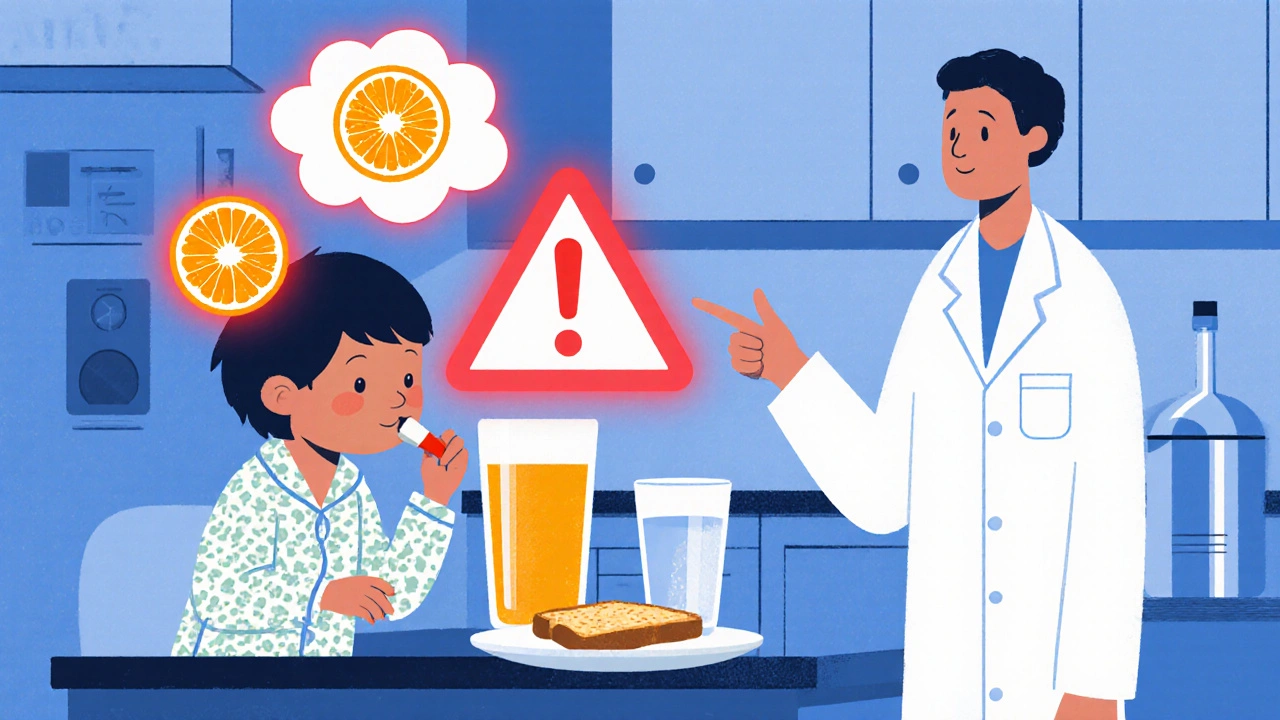
Learn how food affects medication absorption, when to take pills with or without meals, and how to avoid dangerous interactions that can reduce effectiveness or cause side effects.
More