
When someone overdoses on opioids, every second counts. naloxone, a life-saving medication that blocks opioid effects in the brain. Also known as Narcan, it’s the only FDA-approved drug that can quickly reverse an overdose and bring someone back to breathing. It doesn’t work on alcohol, benzodiazepines, or stimulants—but for heroin, fentanyl, oxycodone, or any opioid, it’s a game-changer.
Naloxone isn’t just for hospitals. It’s meant to be used by anyone—family members, friends, teachers, even strangers. The naloxone nasal spray, a simple, needle-free version that’s easy to use without training, is now available over the counter in many places. You don’t need a prescription in most states, and it’s safe even if you’re wrong about whether someone is overdosing. Giving it to someone who isn’t overdosing won’t hurt them. Not giving it to someone who is could kill them.
Many people don’t realize how common opioid overdoses are. Fentanyl, often mixed into other drugs without the user’s knowledge, is behind most recent overdose deaths. That’s why carrying naloxone isn’t just smart—it’s responsible. Whether you’re helping someone with chronic pain, supporting a loved one in recovery, or just want to be prepared, having naloxone on hand makes you part of the solution. It’s not about judgment. It’s about keeping people alive long enough to get help.
The opioid overdose, a medical emergency marked by slow or stopped breathing, unresponsiveness, and blue lips or fingernails doesn’t always look like what you see in movies. Sometimes, the person is just very still. Sometimes they’re snoring loudly. Sometimes they don’t respond when you shake them. If you suspect an overdose, call 911 first, then give naloxone right away. You can give a second dose if there’s no response after 2–3 minutes. Keep monitoring them until help arrives.
What you’ll find in this collection are real, practical guides on how to use naloxone correctly, where to get it, how to store it, and what to do after giving it. You’ll also learn how it fits into broader safety efforts—like safe storage of pain meds, recognizing signs of addiction, and helping someone after they wake up from an overdose. These aren’t theory pieces. They’re tools written by people who’ve seen what happens when no one acts—and what happens when someone does.
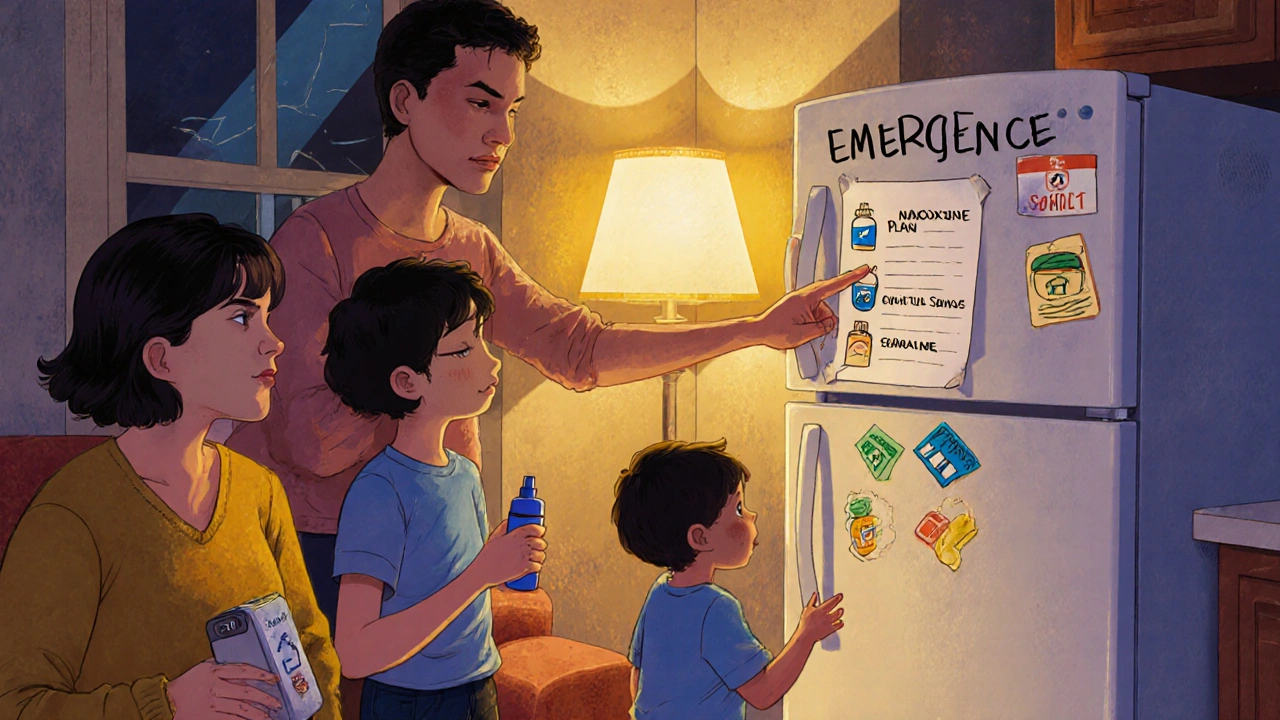
Learn how to create a family overdose emergency plan with naloxone, recognize opioid overdose signs, and respond quickly to save a life. Essential for households with prescription pain meds.
More