
When it comes to managing severe pain, opioids, a class of powerful pain-relieving drugs that include oxycodone, hydrocodone, and morphine. Also known as narcotics, they can be life-changing for people with cancer, surgery recovery, or serious injury—but they carry real risks if used carelessly. Opioid safety isn’t about avoiding them completely. It’s about knowing how to use them correctly, recognizing warning signs, and having a plan to stop safely.
Many people don’t realize that opioid misuse, taking more than prescribed, using someone else’s pills, or combining them with alcohol or sedatives is the leading cause of accidental drug overdose in the U.S. Even short-term use can lead to dependence. That’s why doctors now follow strict guidelines: start low, go slow, and never use opioids for routine back pain or headaches unless absolutely necessary. Pain management, the broader approach to treating discomfort without relying solely on drugs includes physical therapy, nerve blocks, acupuncture, and even cognitive behavioral therapy. These aren’t just alternatives—they’re often the first step.
Addiction prevention, the process of reducing the chance of developing opioid use disorder starts with open talk with your doctor. Ask: How long will I need this? Are there non-opioid options? What should I do if the pain doesn’t improve? Keep pills locked up. Dispose of leftovers properly. Never share them. If you’ve been on opioids for more than a few weeks, talk to your provider about tapering off before dependence sets in. Naloxone, the overdose reversal drug, should be kept on hand if you or someone you live with is using opioids—even if it’s just for a week.
The posts below cover real-world stories and science-backed advice on how people manage pain without falling into danger. You’ll find tips on recognizing early signs of dependence, what to do when a loved one is struggling, how to talk to your doctor about reducing opioids, and why some medications are safer than others. These aren’t theoretical ideas—they’re lessons from people who’ve been there, and the experts guiding them. Whether you’re on opioids now, thinking about starting, or helping someone who is, this collection gives you the clear, practical info you need to stay safe.
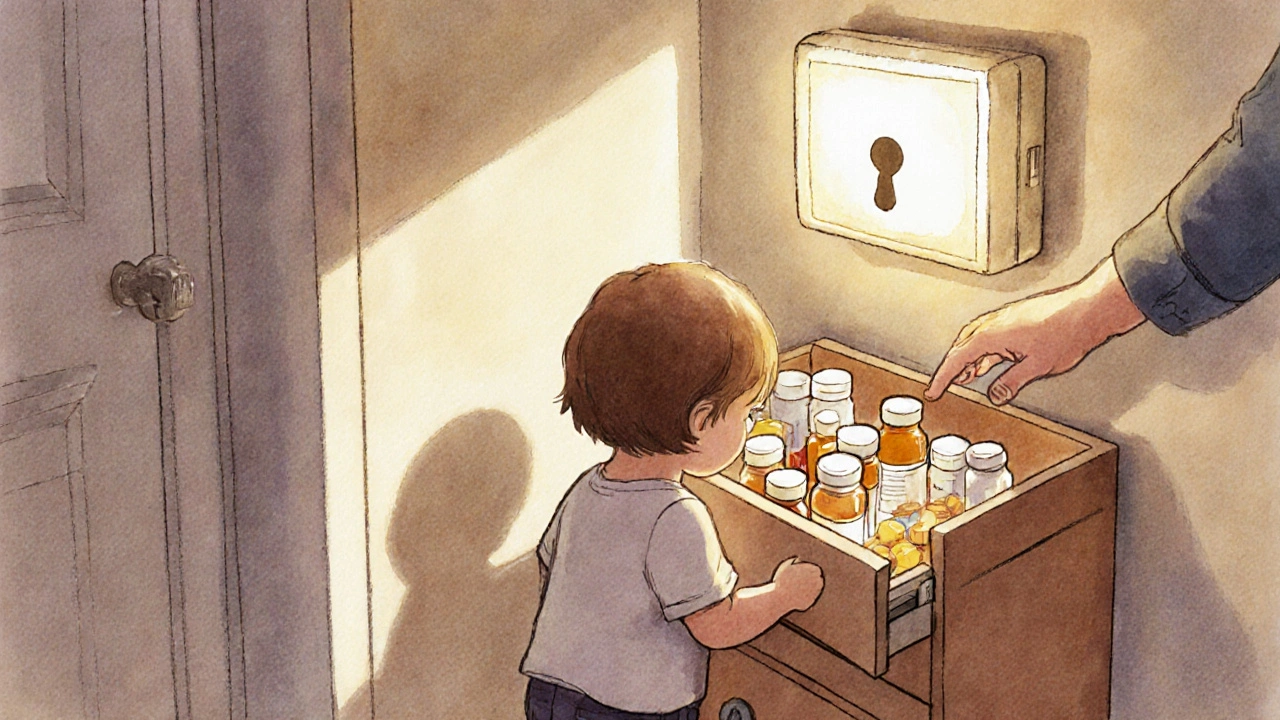
Learn how to use a medication lockbox to safely store high-risk drugs like opioids and benzodiazepines at home. Prevent accidental poisonings, misuse, and theft with proven, expert-recommended steps.
More