
When you take a medication, some side effects are predictable side effects, known reactions that occur in a consistent percentage of users and are listed in drug labeling. These aren’t surprises—they’re documented, studied, and often avoidable with the right steps. Think nausea from antibiotics, dizziness from blood pressure pills, or dry mouth from antihistamines. These aren’t signs something went wrong—they’re part of how the drug works in your body. What matters is how you respond.
Antibiotic side effects, like diarrhea or stomach upset, happen because antibiotics don’t just kill bad bacteria—they disrupt the good ones in your gut. That’s why taking probiotics or eating yogurt during a course helps. Drug reactions, especially those tied to chronic conditions like diabetes or heart disease, often follow patterns too. Statins can slightly raise blood sugar. Diuretics can drop your potassium. These aren’t random. They’re predictable. And knowing that lets you prepare.
Many people stop their meds because they don’t know these reactions are normal. They think, "This isn’t supposed to happen," and quit. But stopping can be more dangerous than the side effect itself. Antibiotic resistance starts when people skip doses. Low potassium from diuretics can cause heart rhythm problems if ignored. The key isn’t avoiding side effects entirely—it’s managing them so you can keep taking what you need. That’s why talking to your doctor about side effect management, a practical approach to reducing discomfort without stopping treatment isn’t optional. It’s part of your care plan.
You’ll find posts here that show exactly how people handle these situations. Someone who fought antibiotic nausea with ginger and timing. Someone who tracked their potassium levels after starting a diuretic. Someone who learned to tell the difference between a normal side effect and something serious. These aren’t theoretical—they’re real stories from real people who stayed on their meds and stayed healthy.
Side effects aren’t the enemy. Ignorance is. Knowing what to expect, how to respond, and when to call your doctor turns a scary experience into a manageable one. What follows isn’t just a list of articles—it’s a toolkit for taking control of how your body reacts to medicine.
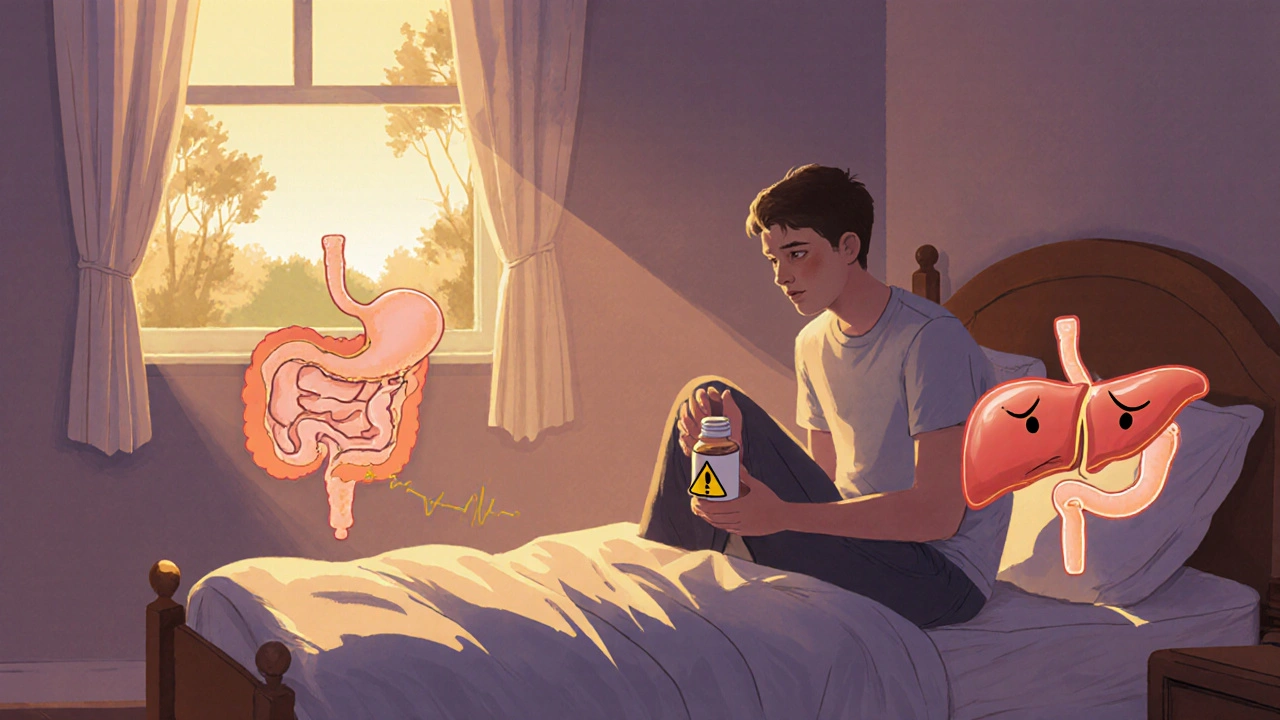
Learn how predictable and unpredictable drug side effects differ, why some reactions strike without warning, and what you can do to stay safe. Understand the real risks behind your medications.
More