
When your body is fighting severe inflammation, prednisone, a synthetic corticosteroid used to suppress immune responses and reduce swelling. Also known as corticosteroid therapy, it's one of the most prescribed drugs for conditions like arthritis, asthma, and autoimmune diseases. But this powerful medicine doesn’t come without trade-offs. Many people take it for weeks or months without realizing how deeply it can affect their bones, blood sugar, mood, and even their heart. The risks aren’t just rare side effects—they’re common, predictable, and often under-discussed.
One of the biggest concerns with long-term prednisone, a corticosteroid that alters how the body processes glucose and calcium is how it drives up blood sugar. Even people without diabetes can develop steroid-induced diabetes, a condition where the body can’t properly regulate glucose due to medication-induced insulin resistance. Studies show up to 30% of long-term users see their glucose levels rise enough to need treatment. Then there’s bone loss—osteoporosis, a weakening of bones that increases fracture risk—which can happen in as little as three months of use. That’s why doctors often pair prednisone with calcium and vitamin D, or even prescribe bone-protecting drugs like bisphosphonates.
It’s not just physical. mood changes, including anxiety, irritability, and even depression or psychosis, are well-documented side effects, especially at higher doses. People often blame stress or sleep loss, but the real culprit might be the drug in their system. And if you stop prednisone too quickly, your body can go into withdrawal, a dangerous drop in natural cortisol production that can cause fatigue, joint pain, and even life-threatening low blood pressure. That’s why tapering isn’t optional—it’s medical necessity.
You’ll also find that prednisone makes you more vulnerable to infections. It doesn’t just calm inflammation—it quietly shuts down your immune system’s ability to fight off bacteria, viruses, and fungi. A simple cold can turn into pneumonia. A skin scrape can become a serious infection. That’s why patients on long-term prednisone are often advised to avoid crowds, get flu shots, and report fevers immediately.
These risks aren’t theoretical. They show up in real lives: a 60-year-old with rheumatoid arthritis who breaks a hip after six months on prednisone, a 45-year-old with lupus who develops full-blown diabetes, a teenager who becomes severely depressed after a short course. The drug works—but it doesn’t play fair. The key isn’t avoiding it entirely, but understanding how to use it smartly: the lowest dose possible, for the shortest time, with regular monitoring. If you’re on prednisone, ask your doctor about blood sugar checks, bone density scans, and mental health check-ins. Don’t wait for symptoms to appear. Prevention matters more than reaction.
Below, you’ll find real patient experiences and expert-backed advice on managing these risks, spotting early warning signs, and making safer choices when prednisone is part of your treatment plan. This isn’t just about side effects—it’s about staying in control when your body is under chemical pressure.
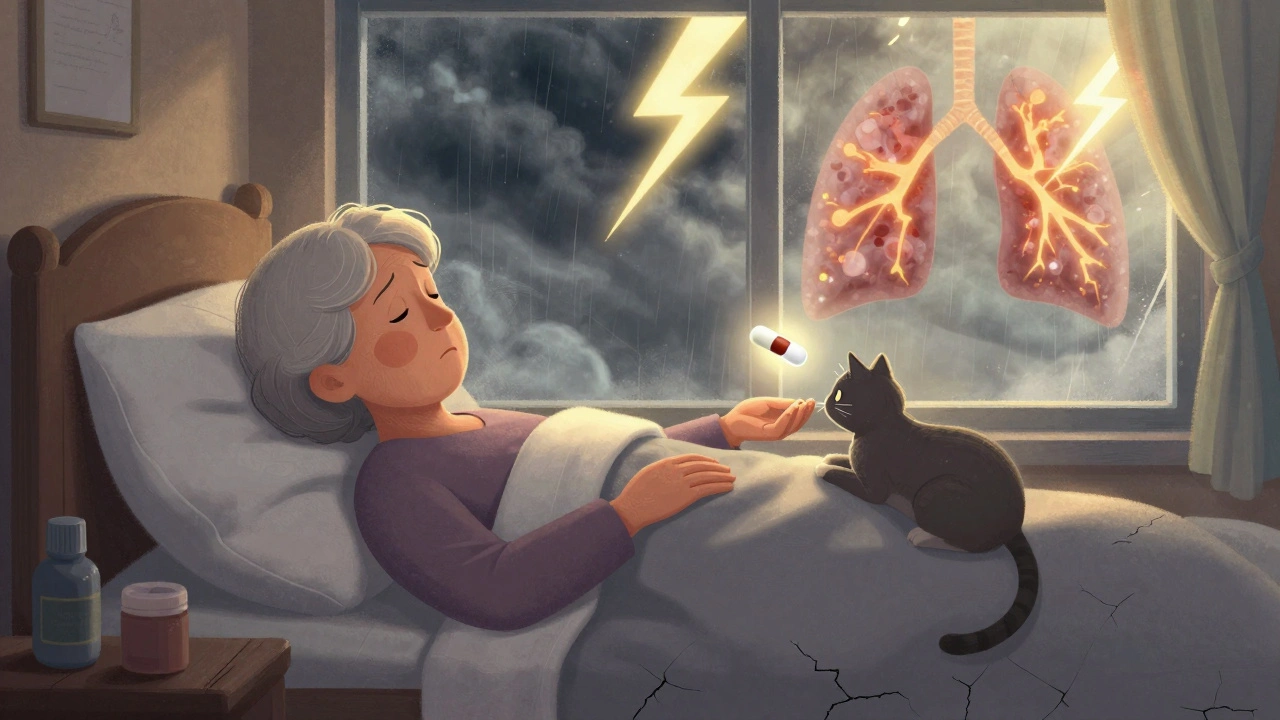
Corticosteroids offer fast relief for inflammation but carry serious risks like bone loss, diabetes, and infection-even with short-term use. Learn when they're necessary and how to protect yourself.
More