
When your doctor prescribes a medication, but your pharmacy says prior authorization, a process where your insurance company requires approval before covering a drug. Also known as pre-authorization, it’s not a delay tactic—it’s a cost-control step built into most private plans and Medicare Part D. You might get a call from your doctor’s office asking for more info, or find your prescription stuck at the counter. It’s frustrating, but understanding why it happens helps you push through it.
Prior authorization isn’t random. It usually kicks in for expensive drugs, brand-name meds when generics exist, or treatments that carry higher risks. Think of it like a gatekeeper: insurers want to make sure you’ve tried cheaper or safer options first. For example, if you’re prescribed a new weight-loss drug like tirzepatide, they’ll likely check if you’ve already tried older, less costly options. Same goes for biologics for arthritis, or high-dose antidepressants with heart risks like citalopram. The system isn’t perfect, but it’s designed to prevent overuse—not to block care.
It’s not just about cost. Insurers also use prior authorization for drugs with narrow therapeutic indexes—like warfarin or lithium—where small dosing errors can be dangerous. They want to confirm your doctor has checked your blood work or ruled out interactions. Even something as simple as a nasal spray for allergies might need approval if it’s newer or pricier than older alternatives. This is why so many posts here talk about managing medications, understanding side effects, and knowing your insurance rules. You’re not alone if you’ve ever stared at a prescription label wondering why it’s not ready.
Doctors and pharmacies handle most of the paperwork, but you play a key role. Keep track of your refills, know your plan’s formulary, and ask your provider to submit the prior auth request early. If it’s denied, you can appeal—and many approvals happen on appeal. The posts below walk you through real cases: how to spot when a generic switch affects your coverage, how Medicare Extra Help cuts these hurdles, and how to speak up when a drug you need gets stuck in bureaucracy. You’ll also find tips on protecting your privacy when handling prescriptions, managing chronic meds, and dealing with insurance red tape. This isn’t about fighting the system. It’s about learning how it works so you can move through it without losing time, money, or peace of mind.

Learn how to successfully appeal insurance denials for generic medications with step-by-step guidance, doctor tips, and real success rates. Know your rights and get the drugs you need.
More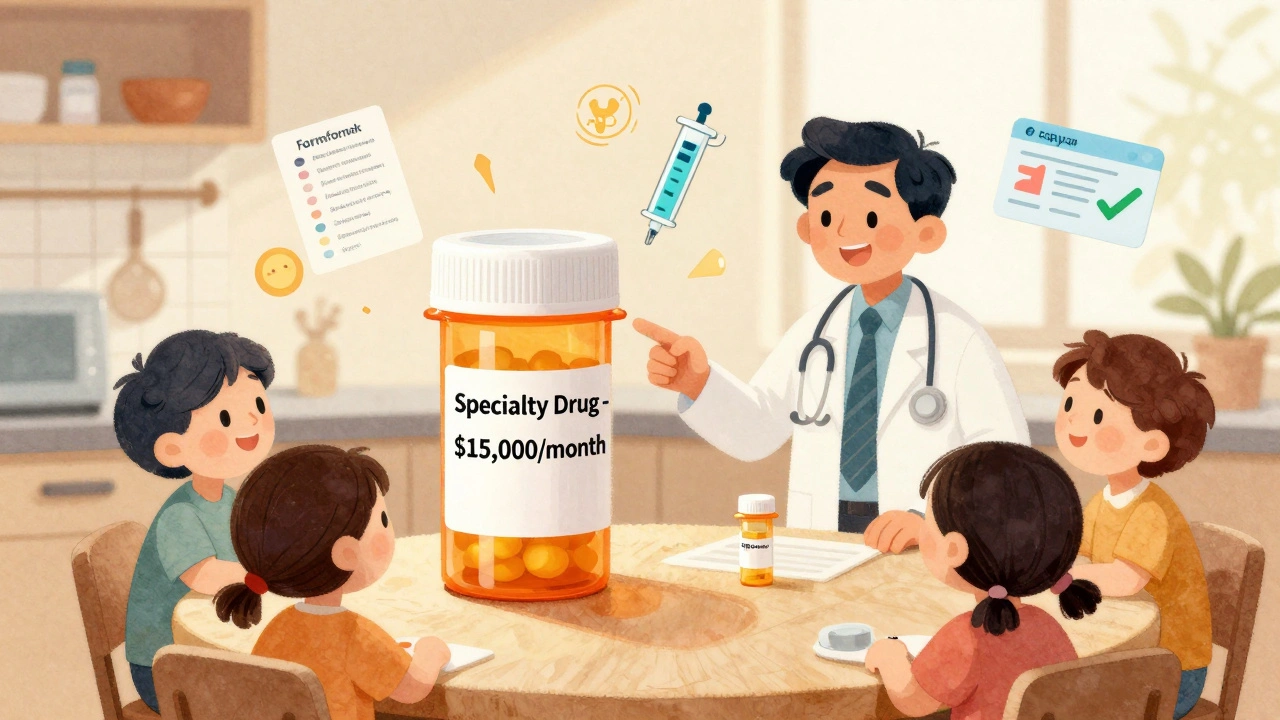
Specialty medications cost thousands per month, but proven strategies like biosimilars, narrow pharmacy networks, and treatment setting changes can slash costs by 40-50%. Learn how to save without sacrificing care.
More