
When your doctor talks about statins, a class of drugs used to lower LDL cholesterol and reduce the risk of heart attacks and strokes. Also known as HMG-CoA reductase inhibitors, they’re among the most prescribed medications in the world because they work — for most people. If you’ve been told your cholesterol is too high, chances are statins were mentioned. But they’re not magic pills. They don’t fix poor diet or inactivity. Instead, they block a liver enzyme that makes cholesterol, which forces your body to pull more LDL out of your bloodstream. That’s how they cut heart attack risk by up to 30% in high-risk patients.
But statins aren’t without trade-offs. One of the biggest concerns? They can slightly raise blood sugar levels. That’s not a reason to avoid them — for someone with clogged arteries, the heart protection far outweighs the small chance of developing type 2 diabetes. Still, if you already have prediabetes or are overweight, your doctor should monitor your glucose more closely. This isn’t a side effect everyone gets, but it’s common enough that it shows up in nearly half the posts on this site. Another frequent issue? Muscle aches. Not everyone feels them, but if you start taking a statin and your legs feel heavy or sore, don’t just tough it out. Talk to your doctor. Sometimes switching statins helps. Sometimes lowering the dose does the trick. And sometimes, the problem isn’t the statin at all.
Statins also show up in conversations about heart disease, a group of conditions affecting the heart and blood vessels, often caused by plaque buildup, because they’re one of the few drugs proven to actually shrink arterial plaque over time. They’re often paired with lifestyle changes, like eating more fiber, moving more, and quitting smoking — because no pill replaces a healthy routine. You’ll find posts here that dig into how statins interact with other meds, why some people stop taking them, and how to tell if the benefits are still worth it for you. You’ll also see real talk about statin side effects, the physical reactions people experience, from mild fatigue to rare muscle damage, and how to spot the difference between normal discomfort and something serious.
What you won’t find here is fear-mongering. Statins aren’t villains. They’re tools — powerful ones. And like any tool, they work best when you understand how to use them. Whether you’re just starting out, have been on them for years, or are wondering if you even need them, the posts below give you the facts without the fluff. You’ll learn what the science says, what your doctor might not tell you, and how to make smart choices without feeling overwhelmed.
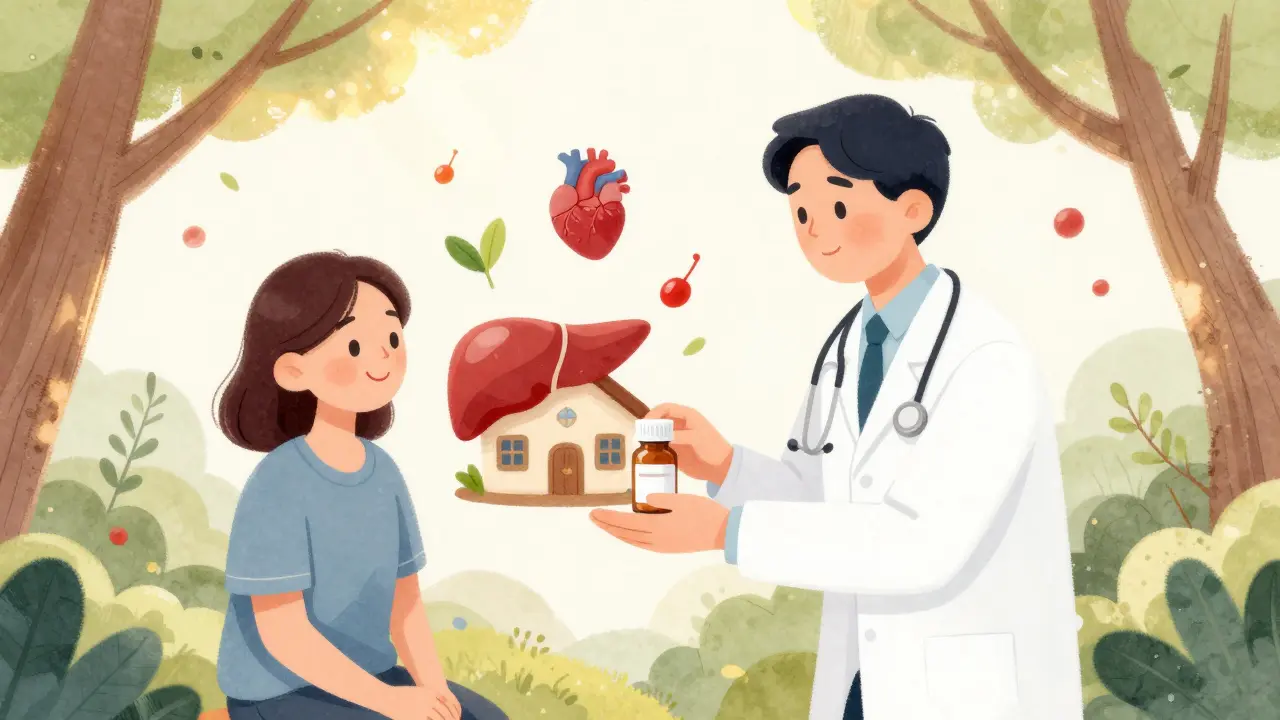
Statins are safe and beneficial for people with nonalcoholic fatty liver disease (NAFLD). They lower heart disease risk, improve liver enzymes, and don't cause liver damage. Learn the latest guidelines and monitoring tips.
More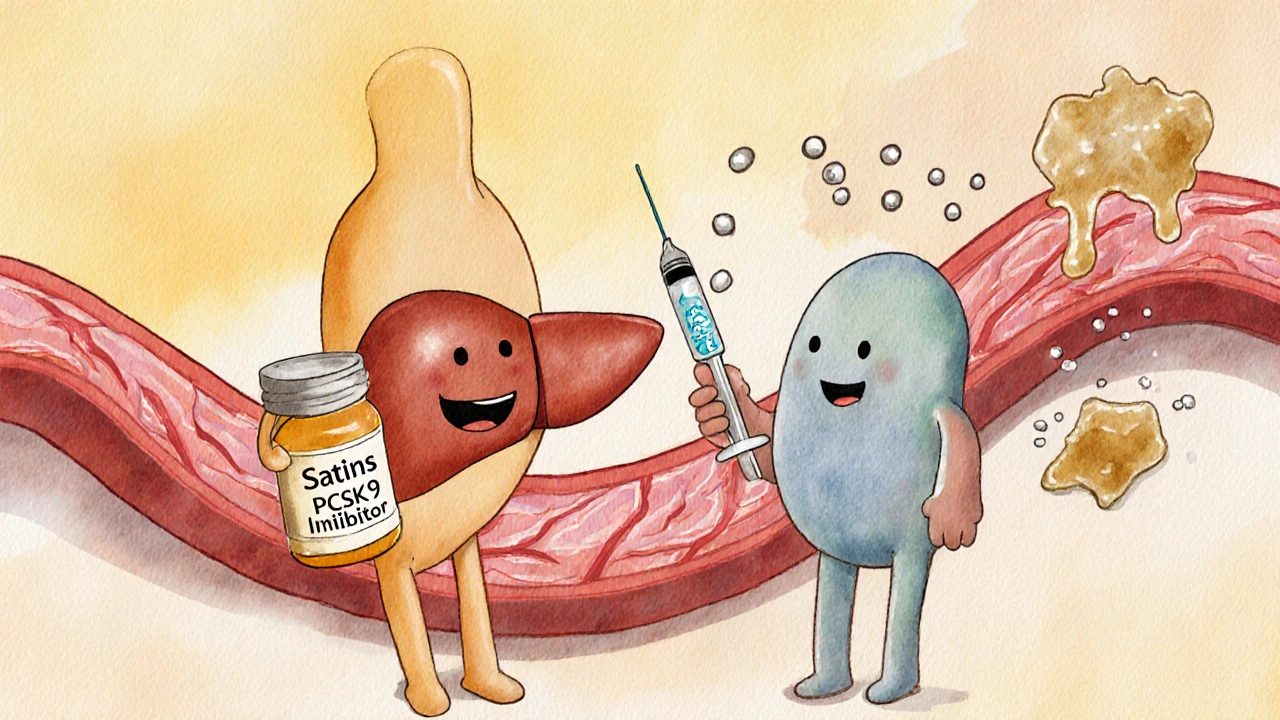
PCSK9 inhibitors and statins both lower LDL cholesterol, but differ in effectiveness, side effects, and cost. Statins are first-line for most, while PCSK9 inhibitors offer powerful alternatives for those with intolerance or very high risk.
More