
When doctors prescribe steroids, a class of powerful drugs that reduce inflammation and suppress the immune system. Also known as corticosteroids, they’re used for conditions like asthma, arthritis, and autoimmune diseases. But while they work fast, they don’t come without risks. Many people take them without realizing how deeply they can affect the body—especially if used long-term. The corticosteroids, synthetic versions of cortisol, the body’s natural stress hormone are the most common type linked to side effects. Then there’s the other kind—anabolic steroids, used to build muscle and often misused by athletes or bodybuilders—which carry their own set of dangers, from liver damage to mood swings.
Steroid side effects aren’t all the same. Short-term use might cause just a little weight gain or trouble sleeping. But over months or years, the list grows: high blood pressure, bone thinning, cataracts, diabetes, and even depression. Some people get a round face, known as "moon face," or develop stretch marks from skin thinning. Others notice their mood shifting—irritability, anxiety, or worse. These aren’t rare. Studies show nearly half of people on daily prednisone for over a year develop at least one major side effect. And if you’re taking them for something like lupus or rheumatoid arthritis, you’re likely on them for years. That’s why knowing what to watch for matters. It’s not just about taking the pill—it’s about staying aware of how your body changes.
Not everyone reacts the same. Age, dose, and how long you’re on them all change the risk. Older adults are more likely to get bone loss. People with diabetes need to monitor blood sugar closely. And if you’re on steroids while also taking other meds—like blood thinners or certain antibiotics—the interactions can get tricky. The good news? Many side effects can be managed. Your doctor might lower your dose slowly, switch you to a different type, or add supplements like calcium and vitamin D. Lifestyle changes—like cutting salt, getting regular exercise, and avoiding alcohol—can also help reduce the impact.
What you’ll find below are real, practical guides from people who’ve been through this. From how to spot early signs of steroid damage to how to talk to your doctor when things feel off, these posts give you the tools to take control. You’ll see how others handled weight gain, sleep issues, and mood changes. You’ll learn why some people stop steroids safely—and why others can’t. This isn’t just a list of warnings. It’s a roadmap for staying healthy while using these powerful drugs.
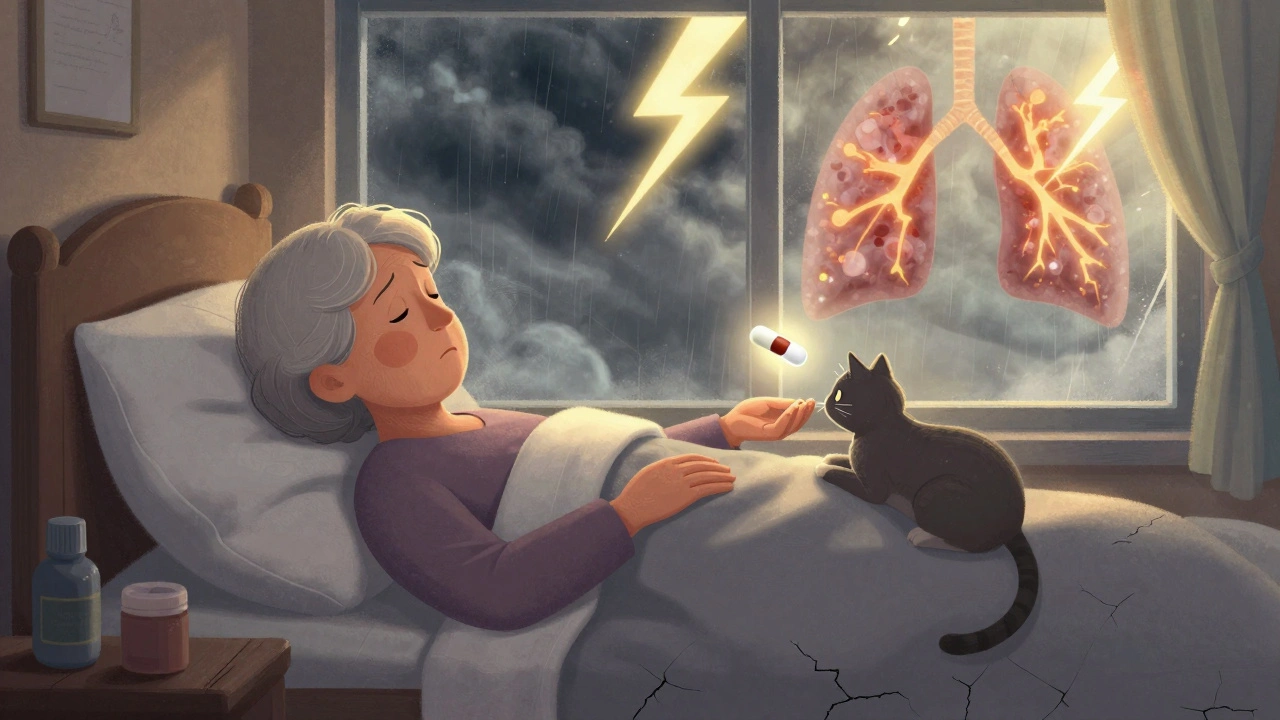
Corticosteroids offer fast relief for inflammation but carry serious risks like bone loss, diabetes, and infection-even with short-term use. Learn when they're necessary and how to protect yourself.
More